
The short answer: for most primary-age children in the UK, the slot that lasts is a 30-minute class two or three times a week, either straight after school with a snack or shortly after Maghrib, at the same time every week. Pick a time your child can keep in February as well as in June, and protect it the way you would protect a swimming lesson.
The rest of this guide is for the parent standing in the kitchen at half past three, wondering where Quran fits between the book bag, the reading log and tomorrow's PE kit.
Why the UK school week makes this tricky
A typical primary school day in the UK runs from around a quarter to nine until a little after three. Add the school run, after-school clubs, homework and an early bedtime for younger children, and the usable window on a weekday is often only two or three hours.
Many families also used to rely on the local mosque or madrasa, which usually means an hour or two every weekday evening. That works for some children. For others, especially younger ones or families without a madrasa nearby, the travel and the long sessions leave them tired, and progress stalls.
Short online classes at home solve the travel part. The timing still needs a plan.
Three slots that work for most families

Straight after school
Home, shoes off, something to eat, then a 30-minute class at around four or half past. Children are still in "learning mode", and the rest of the evening is free. This suits children who come home hungry but alert. It suits less well a child who needs to run around before they can sit still again.
After Maghrib
Many families like the Quran class to follow Maghrib, so the evening has a natural rhythm: prayer, Quran, dinner, bed. The catch in the UK is that Maghrib moves a lot. In June it can be after nine o'clock, far too late for a young child. In December it is around four. If you choose this slot, agree a fixed clock time for the class rather than "after Maghrib", or the class drifts with the seasons.
Weekend mornings
Saturday and Sunday mornings work well as an extra class, not as the only one. A child who reads only once a week forgets much of what they learned by the next lesson. Two short weekday classes plus one at the weekend is a pattern many families find easy to keep.
Sample weekly timetables
| Child | Classes a week | When |
|---|---|---|
| Age 5, just starting Noorani Qaida | 2 | Tuesday and Thursday, 4:30pm |
| Age 8, reading the Quran with Tajweed | 3 | Monday, Wednesday 5:00pm, Saturday 10:00am |
| Age 11, starting Hifz | 5 | Monday to Friday, 6:30am or 6:00pm |
| Two siblings | 2 or 3 each | Back-to-back, so one evening covers both |
These are starting points, not rules. The best timetable is the one your child is still keeping six months from now.
When the clocks change

UK clocks go back in late October and forward in late March. Your child's teacher may live in a country where the clocks never change, so check that your class stays at the same UK time when they do. At Online Quran Lessons you choose the time in your own time zone and it stays the same every week, but whichever academy you use, ask the question before the last Sunday in October, not after a missed class.
Making room for homework, clubs and rest
- Write the class into the family calendar next to football and swimming. If it is not on the calendar, it will be the first thing to go.
- Keep homework separate. A short class before homework often goes better than one squeezed in after it, when your child is tired of sitting.
- Do not stack everything on one night. Monday with Quran, swimming and spellings is a recipe for tears. Spread it out.
- Give five minutes of revision on non-class days. Reading the last lesson's page aloud to you keeps it fresh, and it costs almost nothing.
- Plan for half-terms and holidays. These are a chance to add a class, not a reason to stop. Children who keep going through the holidays rarely have to repeat pages in September.
How many classes a week?
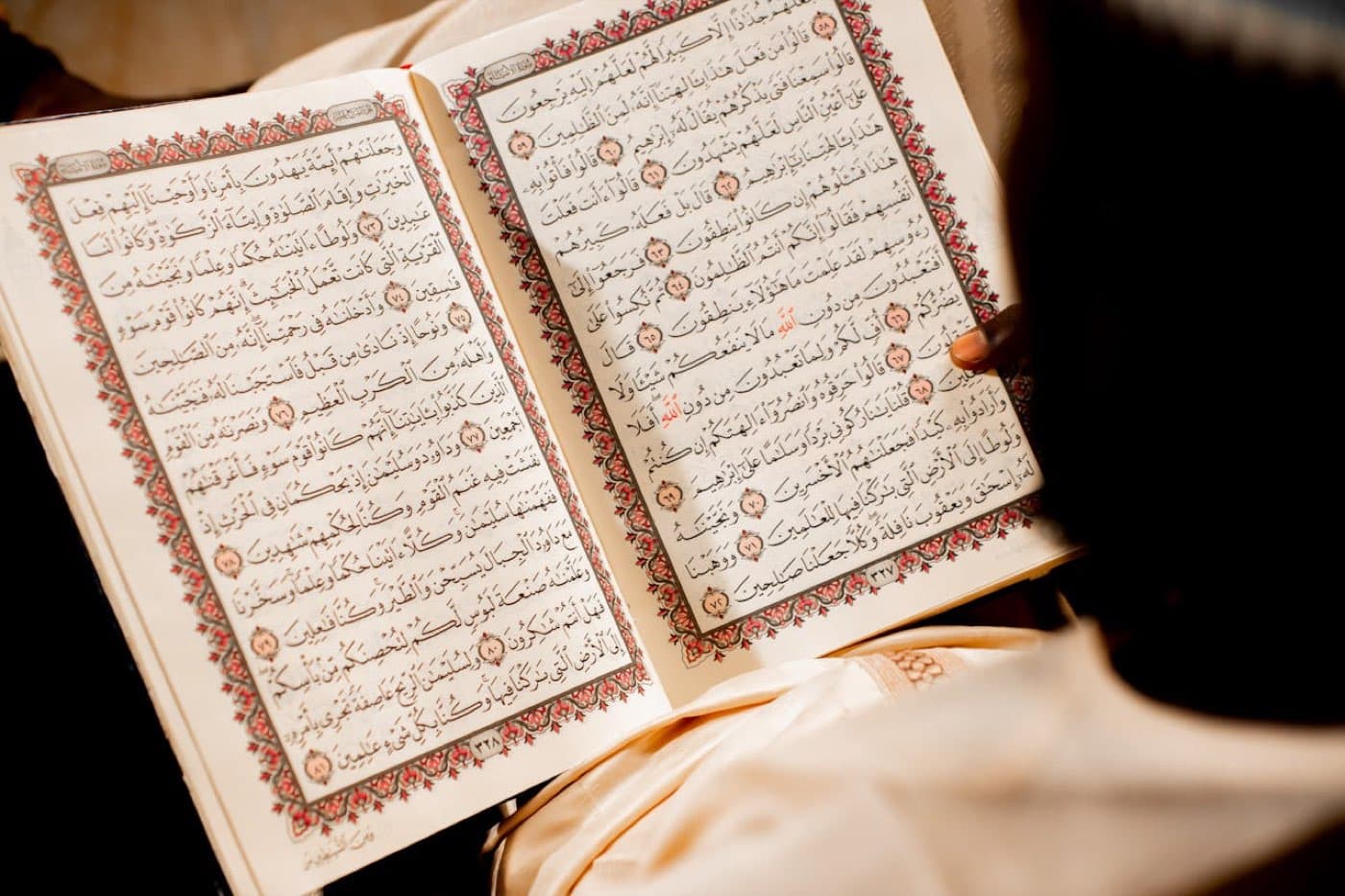
Two classes a week is the minimum we would suggest for a young beginner. Three is the pace most children make steady progress at. Hifz students usually need four or five, because daily memorising and revision is how Hifz works. If you are unsure where your child should start, our guide on the best age to start Quran classes covers readiness, and the pricing page shows each option side by side in pounds.
Try a slot before you commit
The easiest way to find out whether a time works is to try it for a week. Book 3 free trial classes, pick a time that fits your UK school week, and sit in on the first one. No card is taken, and if the slot does not suit your child, change it or stop. You can read more about how our online Quran classes for kids work, or about Quran classes for families in the UK.