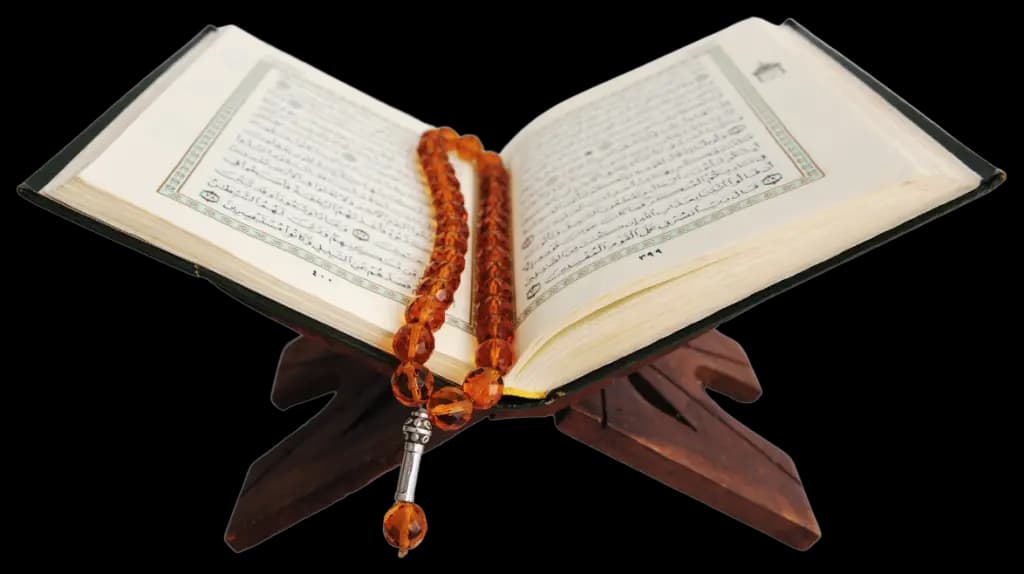
The short answer: the Quran has 114 surahs (chapters) made up of 6,236 ayahs (verses) in the common Hafs count. For reading and memorising, it is also divided into 30 juz (called *para* or *sipara* in Urdu), 60 hizb, 240 quarters and 7 manzil. IndoPak mushafs add a ruku marker (ع) in the margin for shorter passages. The surahs and ayahs come from the revelation itself; the other divisions were added later to help people read the Quran in steady, equal portions.
Surahs and ayahs
A surah is a chapter, and an ayah is a single verse. The first surah is Al-Fatihah and the last is An-Nas. The surahs are not in the order they were revealed. Apart from Al-Fatihah at the start, they run very roughly from the longest to the shortest, which is why the short surahs children memorise first are at the end of the mushaf.
- Longest surah: Al-Baqarah, with 286 ayahs
- Shortest surah: Al-Kawthar, with 3 ayahs
- Total ayahs: 6,236 in the Kufan count used with Hafs. Other classical counting traditions give slightly different totals because they divide some verses differently, but the words of the Quran are the same.
At the top of each surah, most mushafs say whether it is Makki (revealed before the Prophet's migration to Madinah) or Madani (revealed after it). The figures most often quoted are 86 Makki and 28 Madani surahs, though scholars differ about a handful.
Juz (para): thirty equal parts

A juz is one thirtieth of the Quran. In South Asia it is called a *para* or *sipara*, from the Persian for "thirty parts". The juz are roughly equal in length, not in subject, so one can start in the middle of a surah.
Each juz is usually named after its opening words. Juz 1 is often called *Alif Lam Mim*, and Juz 30, which holds most of the short surahs, is called *'Amma* after the first word of Surah An-Naba. In the standard 15-line Madani mushaf, which has 604 pages, a juz is about 20 pages.
Thirty equal parts make it easy to finish the whole Quran in a month by reading one juz a day, which is why so many families use them in Ramadan.
Hizb and quarters
Each juz is split into two hizb, giving 60 in total, and each hizb is split into four quarters, giving 240. In the Madani mushaf the start of each quarter is marked with a small ornament (۞) in the text or the margin. These smaller units are handy for daily portions: a quarter of a hizb is usually only two or three pages.
Manzil: seven parts for a weekly reading
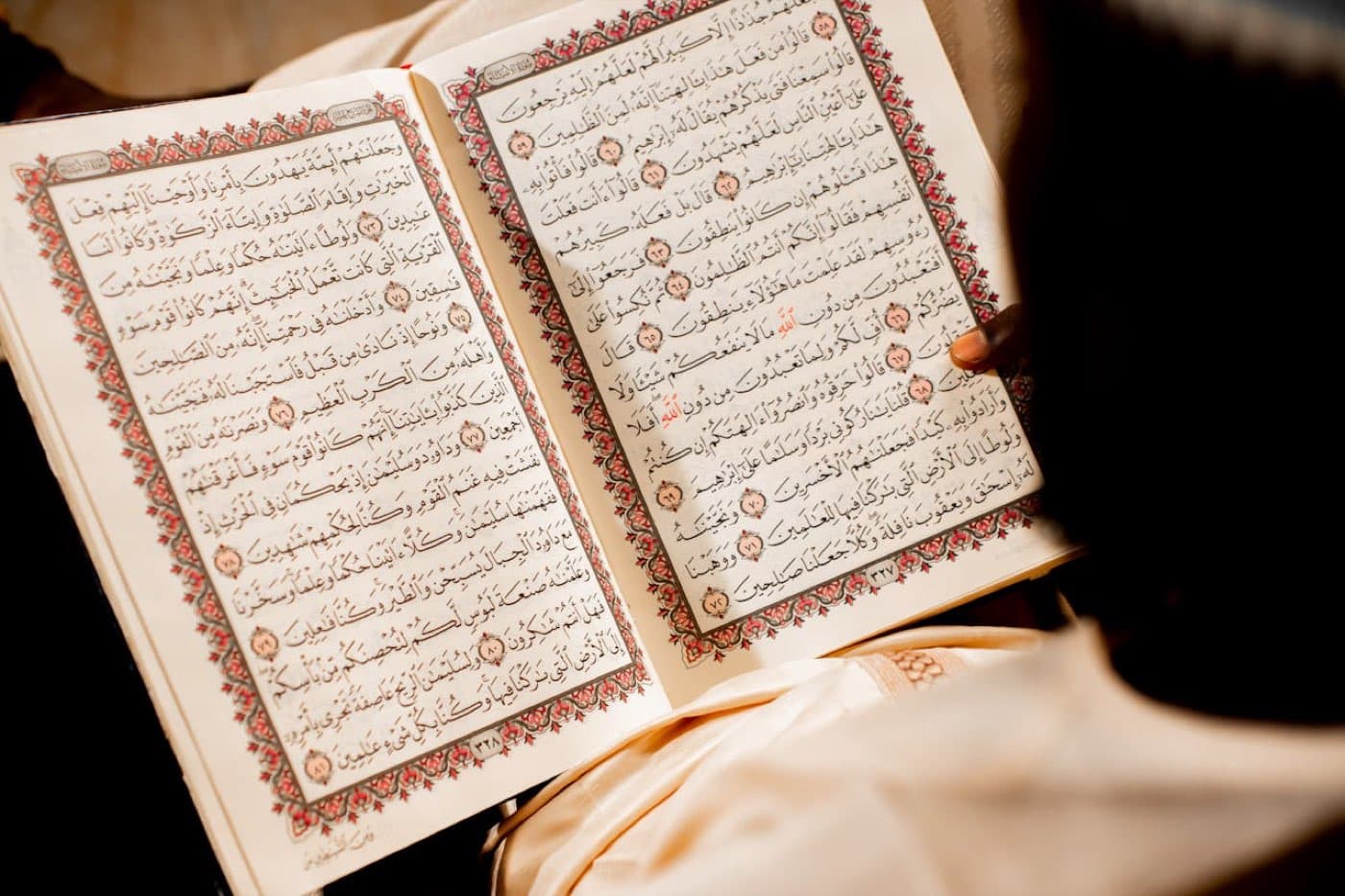
A manzil is one seventh of the Quran. The seven manzil are designed so that someone reading one each day finishes the whole Quran in a week. They begin at these surahs:
| Manzil | Starts at | Runs to |
|---|---|---|
| 1 | Al-Fatihah (1) | An-Nisa (4) |
| 2 | Al-Ma'idah (5) | At-Tawbah (9) |
| 3 | Yunus (10) | An-Nahl (16) |
| 4 | Al-Isra, also called Bani Isra'il (17) | Al-Furqan (25) |
| 5 | Ash-Shu'ara (26) | Ya-Sin (36) |
| 6 | As-Saffat (37) | Al-Hujurat (49) |
| 7 | Qaf (50) | An-Nas (114) |
A traditional way to remember the starting surahs is the phrase *fami bi-shawq* (فمي بشوق), whose seven letters stand for Fatihah, Ma'idah, Yunus, Bani Isra'il, Shu'ara, Saffat and Qaf.
In Hifz classes, the word *manzil* is also used for a student's older revision, the portion they already know and must keep reviewing alongside the new lesson.
Ruku: short passages in IndoPak mushafs
If your mushaf was printed in Pakistan, India or Bangladesh, you will see a letter ع in the margin every few verses. This marks the end of a ruku, a short passage that usually stays on one theme. The numbers beside it show where you are in the surah and the juz. Ruku passages have long been used to divide reading in prayer, especially in Taraweeh, and they make a natural size for a child's reading or revision portion.
Using the divisions to plan your family's reading

- Whole Quran in a month: one juz a day, often read in Ramadan.
- Whole Quran in a week: one manzil a day, a traditional practice for strong readers.
- Young readers: a page, a quarter-hizb or one ruku a day is a realistic, steady goal.
- Hifz students: most children start memorising from Juz 30, working from the short surahs at the end, before moving to longer juz.
Whatever portion you choose, the same rule applies: a small amount read every day beats a large amount read once a week. For more help planning, see our Ramadan Quran reading plan, short surahs for kids to memorise first and a realistic guide to memorising the Quran.
If you or your child would like a teacher to set a reading or Hifz plan that fits your week, Online Quran Lessons offers one-to-one Quran reading with Tajweed classes 24 hours a day, 7 days a week, and you can book 3 free trial classes first.