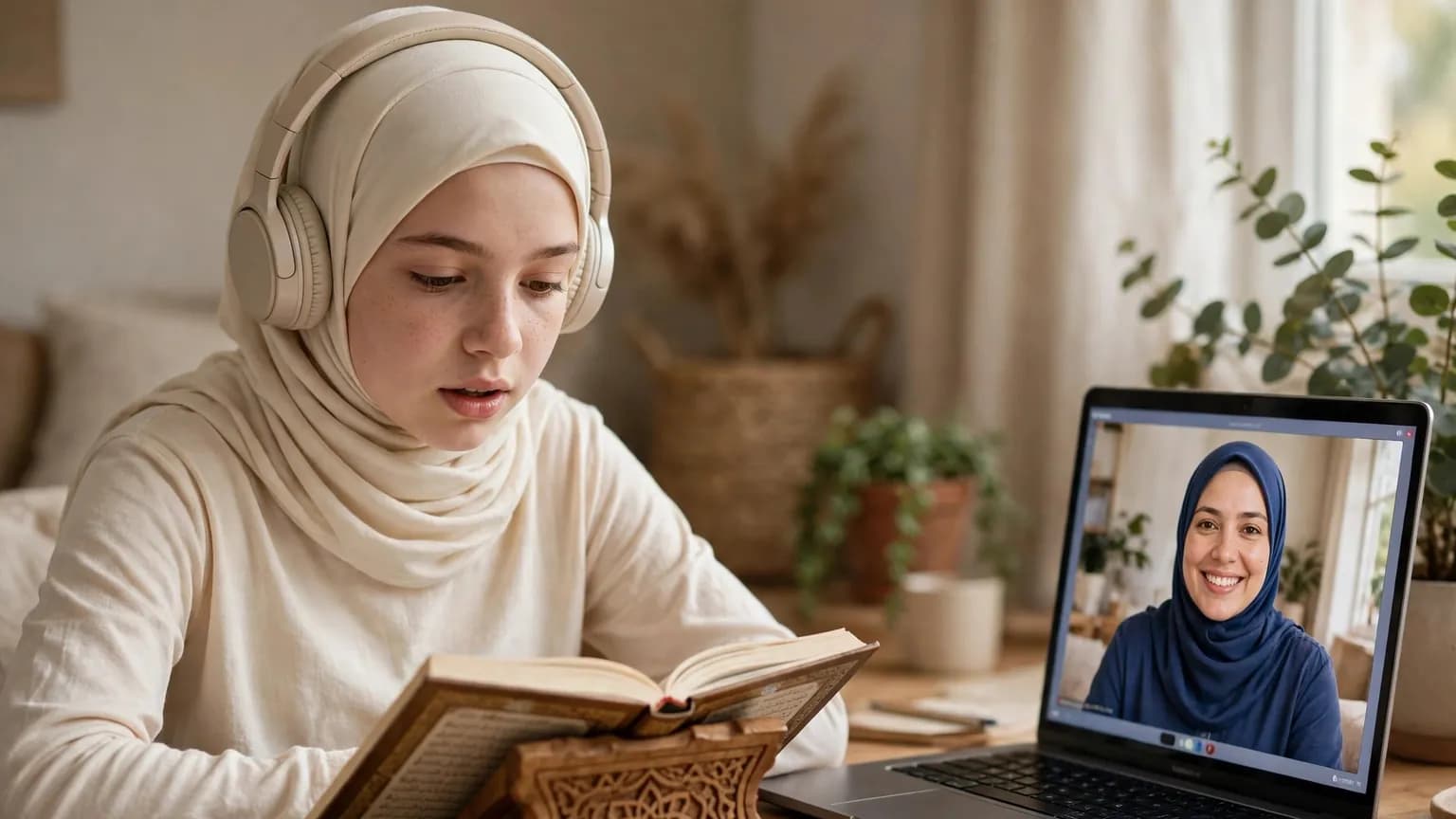
The short answer: Tajweed is not only for adults, Arabic speakers or professional reciters. It is simply reading the Quran correctly: each letter from its proper place, with the right length and quality. Children learn it best by hearing and copying a teacher, starting in their very first Qaida lessons. A beautiful voice is not the same as correct Tajweed, and apps help but cannot replace someone who listens. Here are seven common myths, gently corrected.
If you are new to the subject, our guide to what Tajweed is and why it matters is a good place to start, and Tajweed rules for kids explains the main rules in plain words.
Myth 1: "Tajweed is for adults, not children"
Many parents think Tajweed is an advanced subject to start once a child reads fluently. In fact, the basics of Tajweed begin with the first page of Noorani Qaida: saying each letter from the right place in the mouth and throat, and telling heavy and light letters apart.
Children are often better at this than adults, because their pronunciation habits are still forming. An adult who has said ح like an English h for thirty years has to unlearn it. A five-year-old just learns it right the first time.
What is true: children learn Tajweed by ear from the start; the rule names can come later.
Myth 2: "You need to speak Arabic to learn Tajweed"
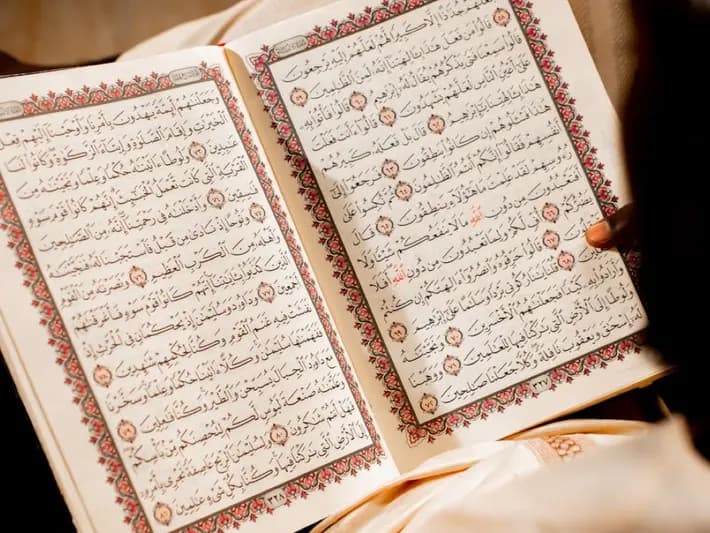
Tajweed is about sound, not about speaking the language. Millions of Muslims who do not speak Arabic recite the Quran with excellent Tajweed. Native Arabic speakers also have to learn Tajweed, because everyday spoken Arabic differs from Quranic recitation in many ways.
Understanding the meaning is a beautiful, separate goal, and well worth working towards. But it is not a requirement for correct recitation. Our post on my child reads the Quran but does not understand it explores how to add meaning alongside reading.
What is true: children who speak English, Urdu or any other language can learn Tajweed fully.
Myth 3: "Tajweed is only for reciters and Huffaz"
Some parents picture Tajweed as the skill of reciters on the radio, not something an ordinary child needs. But Tajweed is simply correct reading. Scholars broadly agree that avoiding clear mistakes, the ones that change a letter or the meaning of a word, is something every reciter should aim for. The finer details are refined over time, and different teachers place different emphasis on them.
This matters most in prayer. Your child will recite Al-Fatiha in every unit of every prayer for the rest of their life; our guide to Surah Al-Fatiha for kids shows the sounds most worth getting right.
What is true: basic Tajweed is for everyone who reads the Quran, starting with the surahs used in prayer.
Myth 4: "An app can teach Tajweed on its own"
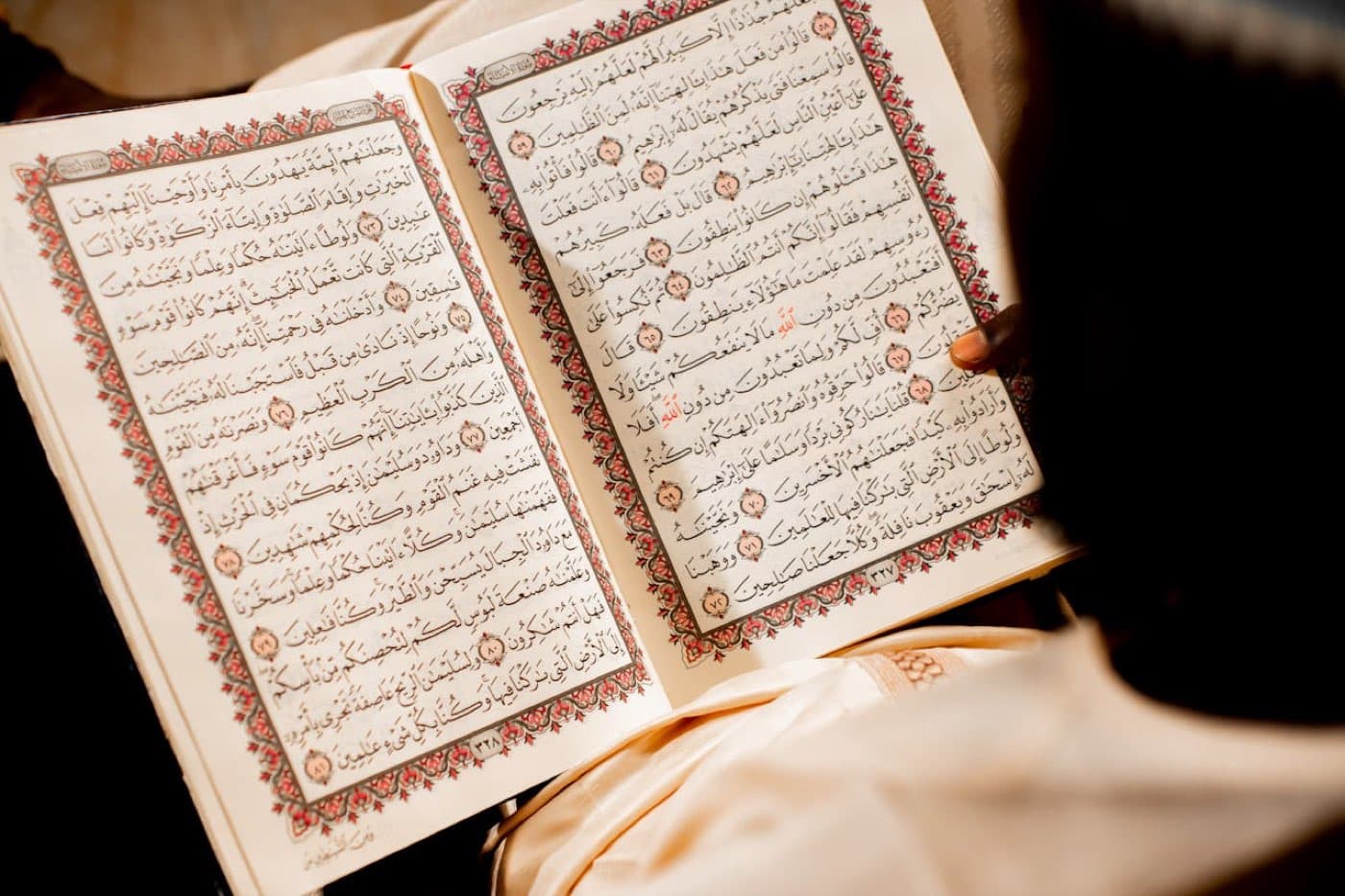
Apps are genuinely useful. They let children hear a clear recitation, revise the letter shapes and play back verses as many times as they like. Some can even flag certain errors.
What an app cannot do reliably is hear the difference between a heavy and a light letter in a child's voice, notice a long vowel that is a little too short, or explain why a mistake keeps happening. Tajweed has always been passed on by a teacher listening to a student, and that is still the most reliable way. Our comparison of a Quran app vs a Quran teacher goes into this.
What is true: apps are a good helper for listening and revision; a teacher is still needed to hear and correct.
Myth 5: "A beautiful voice means correct Tajweed"
A lovely voice is a gift, and it is a sunnah to make recitation beautiful. But a child can recite with a sweet, flowing tune and still drop the ع, cut long vowels short or say ض like a d. Listeners often hear the melody and miss the letters.
The reverse is also true: a child with an ordinary voice who reads every letter correctly has excellent Tajweed.
What is true: correct letters and lengths come first; a beautiful voice is a bonus on top.
Myth 6: "My child must memorise all the rules first"

Some books start with long lists of rule names: idgham, ikhfa, iqlab, qalqalah. Parents then worry that their child is behind because they cannot name them. Children do not need the names to recite correctly. They need to hear the right sound and copy it many times.
Older children often enjoy learning the names later, because it helps them understand what they are already doing. Our online Tajweed course adds the theory gradually, when it helps.
What is true: practice comes first; names and theory follow, mostly for older children.
Myth 7: "Once you have learned Tajweed, you are done"
Tajweed is not a box to tick. Habits slip when someone reads alone for a long time, and finer points take years to polish. Even experienced reciters have their recitation checked by teachers. For a child, regular classes and an occasional check after finishing a course keep the habits strong.
What is true: Tajweed is a lifelong skill, refined little by little.
The myths at a glance
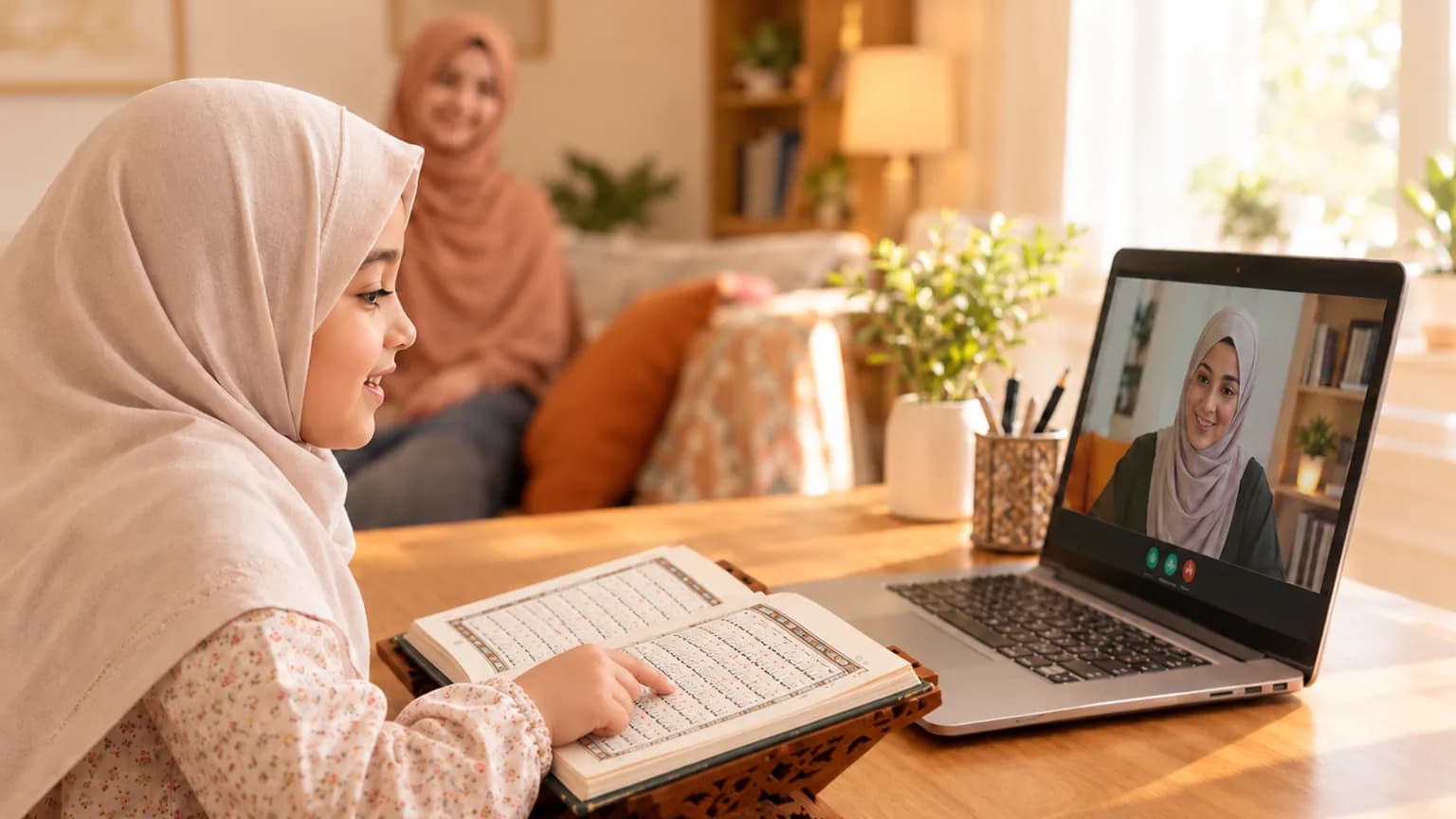
| Myth | What is actually true |
|---|---|
| Tajweed is for adults | It starts with the first Qaida lesson |
| You need to speak Arabic | It is about sound, not speaking the language |
| It is only for reciters | Basic Tajweed is for everyone who reads the Quran |
| An app is enough | Apps help; a teacher is still needed to correct |
| A beautiful voice is correct Tajweed | Correct letters and lengths come first |
| Rules must be memorised first | Children learn by hearing and copying |
| Once learned, you are done | It is refined over a lifetime |
Where to begin
If your child is a beginner, Tajweed begins with Noorani Qaida. If they already read, see common Quran recitation mistakes and how to fix them for the habits a teacher will work on first.
In our live one-to-one classes, 30 minutes each, a qualified teacher listens to every letter your child reads and corrects it gently, in English or Urdu, with a male or female teacher you choose. Book 3 free trial classes — no card needed — and ask the teacher what your child's Tajweed needs most.