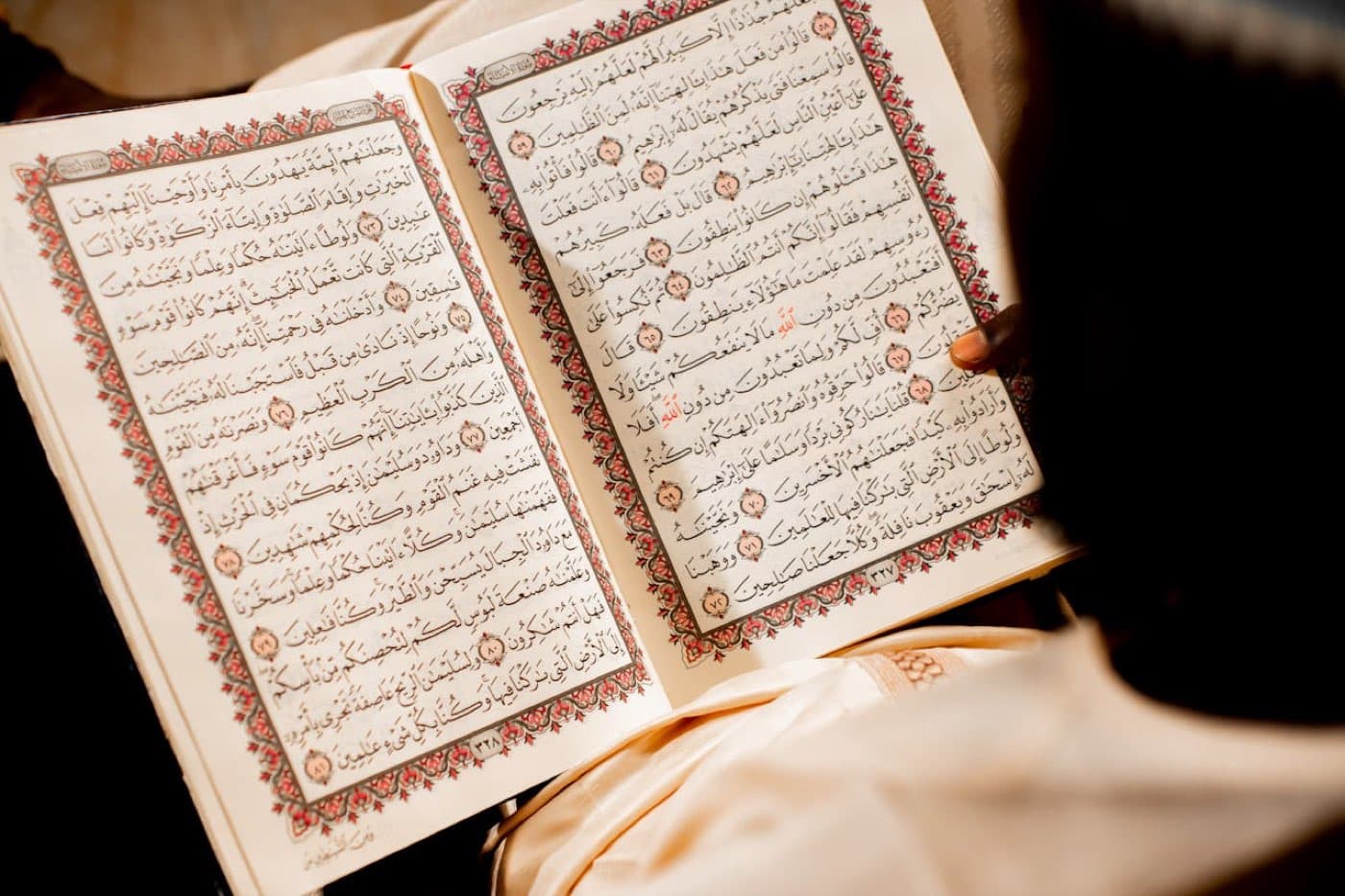
The short answer: reading without understanding is a normal stage, not a dead end. Keep the reading going, and add meaning in small, steady pieces: the surahs your child already prays with first, then common Quranic words, then translation and Tafseer as they get older.
Why this happens to so many children
Most children start the Quran by learning to read the Arabic script: the Noorani Qaida, then reading from the mushaf. That takes time, and it is the right order. But a child can become a fluent reader of a language they do not speak, the same way an adult can read Latin letters in a language they never learned.
For children growing up in English-speaking countries, Arabic is not spoken at home or at school, so understanding does not come by itself. It has to be taught on purpose.
Reading is still worth a great deal
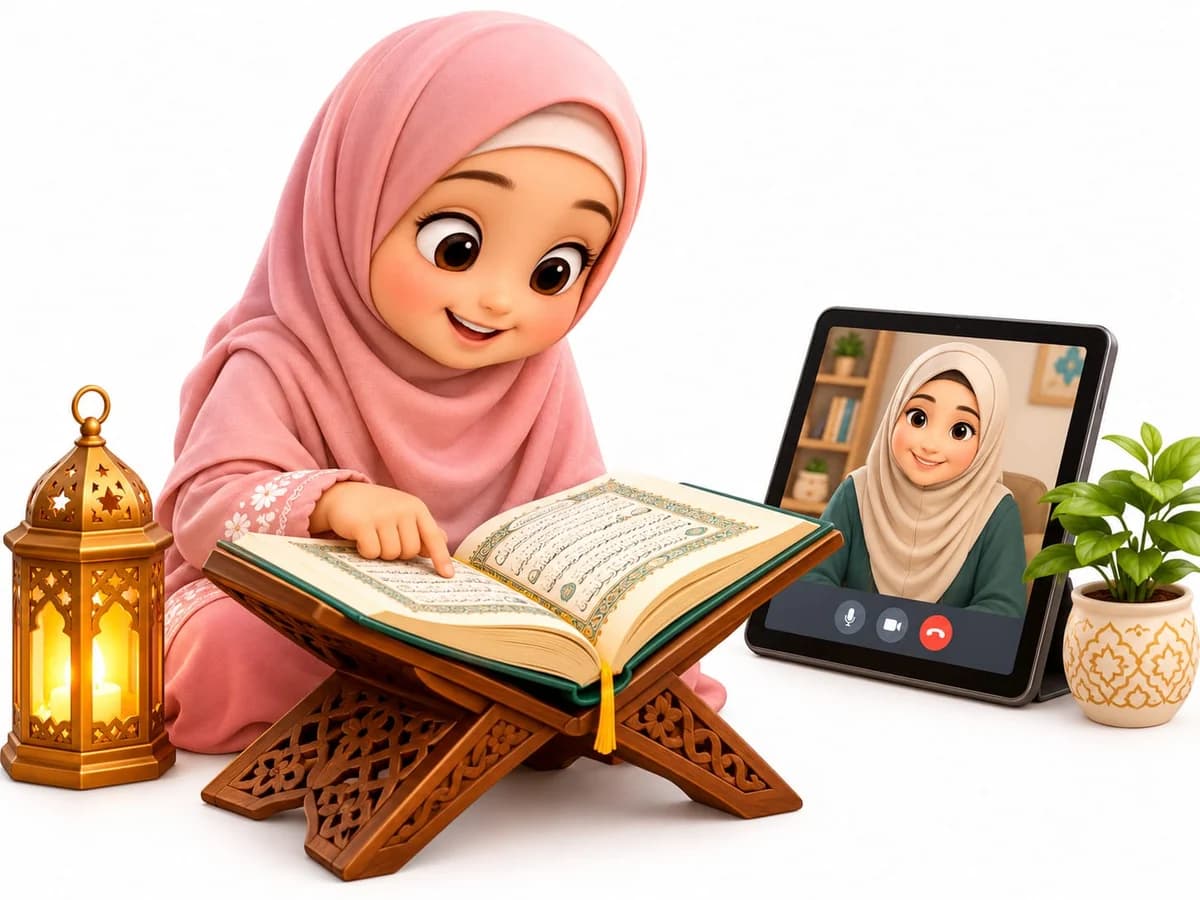
Before adding anything, it helps to say this clearly to your child: reading the Quran is an act of worship in itself, and every letter carries reward. A child who reads correctly has something many adults wish they had. Understanding is the next step, not a replacement.
Five ways to add understanding
1. Start with the surahs your child prays with
Al-Fatihah and the short surahs from Juz Amma are recited every day. Learning what they mean changes Salah for a child immediately. One surah a week, explained simply, is enough.
2. Learn the most common Quranic words
A relatively small set of words — Allah, Rabb, Rahman, Rahim, qala, alladhina, amanu, kitab, ard, sama — appear again and again. A child who knows them starts to recognise meaning while reading, which is very motivating.
3. Read the translation alongside, not instead
After your child reads a page, read the English translation of a few verses together. Ask one question: what is Allah telling us here? Keep it short and conversational.
4. Use stories
Much of the Quran is story: the Prophets, the People of the Cave, Maryam, Yusuf. Children connect with stories before they connect with rules. Our Seerah and stories of the Prophets lessons work the same way.
5. Add a translation or Arabic class when they are ready
From around 10 or 11, many children are ready for structured Quran with translation lessons, or Quranic Arabic, which teaches the vocabulary and grammar to understand the text directly. Older teens can move on to Tafseer.
What to ask your child's teacher
- Can the last few minutes of each class explain the meaning of what was read?
- Which short surahs should we learn the meaning of first?
- Is my child ready for a translation or Arabic course alongside reading?
Keep reading while you add meaning
The mistake to avoid is stopping reading lessons to focus only on meaning. Fluency fades quickly without practice. Keep the reading classes going, and add understanding on top — inside the same lessons or as one extra class a week.
If your child is not in classes yet, book 3 free trial classes and tell the teacher you want meaning built in from the start. No card is taken.