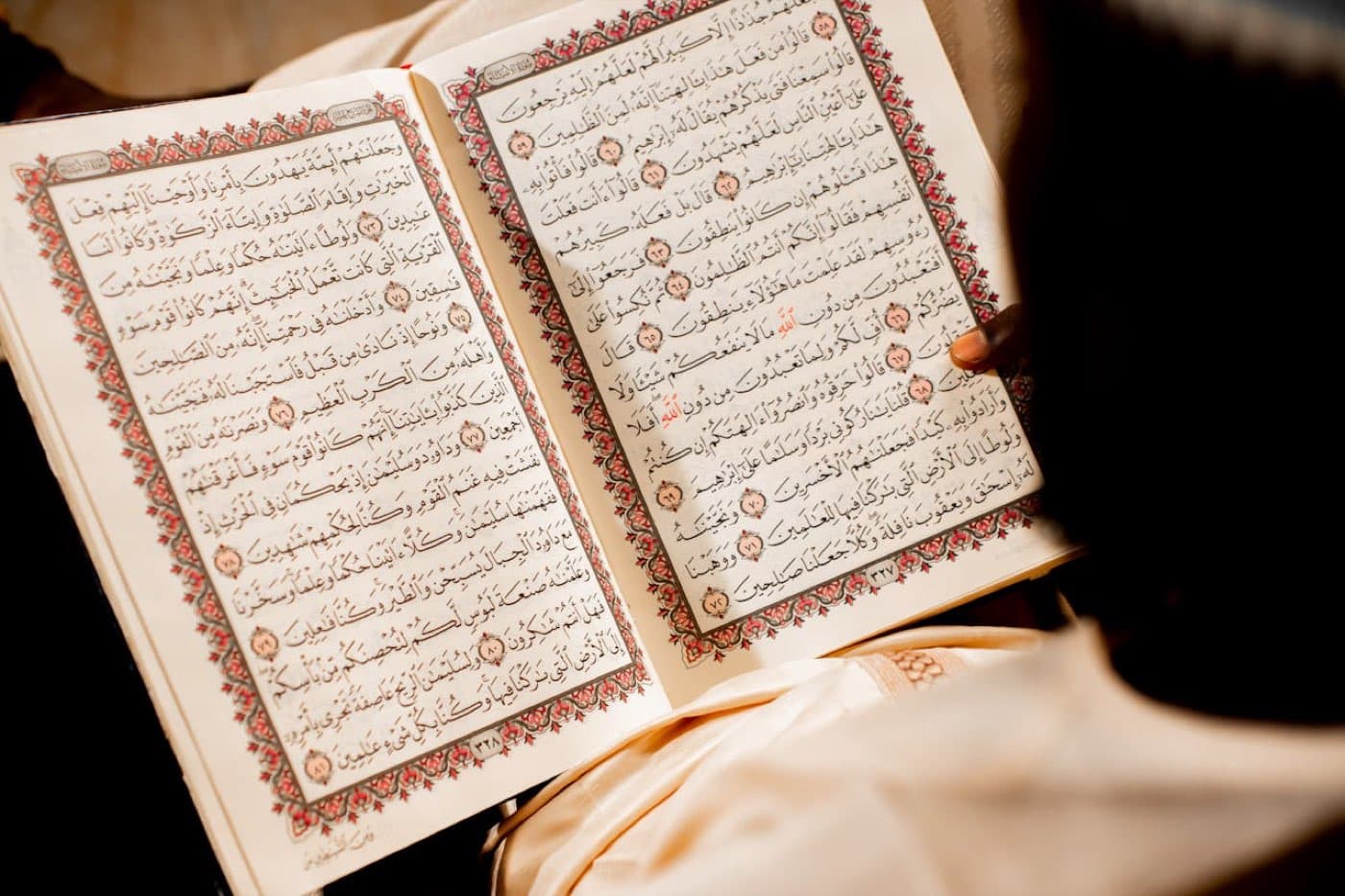
The short answer: the mistakes that slow children down most in Noorani Qaida are rushing to the next page, guessing letters from their outline instead of reading them, mixing up heavy and light letters, confusing the vowel marks and skipping revision. Several of these start at home, with the best intentions. Each one has a simple fix, and fixing them early saves months later.
Why small mistakes matter so much in the Qaida
Every page of Noorani Qaida builds on the one before. A child who is unsure of the vowel marks will struggle with tanween, then with long vowels, then with sukoon. The mistakes do not stay small; they stack up. That is why teachers sometimes hold a child on a page that the child, and the parent, think is already done.
This post is about the habits that cause trouble. For the full order of lessons, see our Noorani Qaida lesson plan for kids.
Mistakes children make

1. Reading from memory, not from the page
Young children are excellent at memorising. After a few lessons, many can recite a whole row without looking at it, which sounds like reading but is not. The teacher may point to a letter in the middle of the row and the child cannot say it.
Fix: read the page out of order. Point to letters or words at random, cover part of the row, or read from bottom to top. If your child can still read it, they have truly learned it.
2. Guessing from the outline
Many letters share one shape and differ only by their dots: ب ت ث, ج ح خ, س ش. A child who glances at the shape and guesses will be right some of the time, which makes the habit hard to notice.
Fix: ask your child to count the dots out loud and say whether they are above or below. Slow is fine. Our guide to the Arabic letters children mix up most covers each pair.
3. Heavy and light letters said the same
Arabic has heavy letters, said with a full mouth, and light ones. The pairs that cause most trouble are س and ص, ت and ط, د and ض, ذ and ظ, and ه and ح. Said the English way, the heavy letters come out light, and some words change meaning.
Fix: a teacher's ear, plus lots of side-by-side practice: sa, then ṣa; ta, then ṭa. Our Tajweed rules for kids explains heavy and light letters in more detail.
4. Mixing up the vowel marks
Fatha (a small stroke above), kasra (a small stroke below) and damma (a small curl above) look simple, but children swap them often, especially when they move from single letters to whole words. Tanween, the doubled versions, adds another layer.
Fix: link each mark to its position. Above for a, below for i, the little curl for u. Some teachers have children move their hand up, down or forward as they say each one, which helps active children in particular.
5. Long vowels too short, or short vowels too long
Holding a long vowel for the right length, about two counts, is one of the hardest habits to build. Children either rush it or stretch every vowel because they have been told to slow down.
Fix: count on fingers together. One finger for a short vowel, two for a long one. Our post on common Quran recitation mistakes shows how this carries into the Quran.
Mistakes parents make (with the best intentions)
6. Pushing to move on
It is natural to want to see progress. But asking the teacher to move ahead before a page is solid usually means coming back to it later. A good teacher will tell you honestly when your child is ready.
Fix: ask the teacher what the sign of readiness is for this page, and look for that sign rather than a date.
7. Correcting with the wrong sound
Parents who learned the Qaida long ago, or who speak a language other than Arabic at home, sometimes correct a child using a sound that is itself slightly off. The child then gets two different versions and does not know which is right.
Fix: if you are unsure, let the teacher be the voice for sounds and be the voice for habit yourself: "Read it to me again, slowly." Our guide to helping your child if you cannot read Arabic shows how.
8. Skipping revision
When a child is doing well, it is tempting to only practise the new page. Older pages fade, and by the shaddah lessons the child is stumbling over letters they once knew.
Fix: in every home practice session, read one older page before the new one. Two minutes is enough. See why children forget Quran lessons for more on this.
9. Long practice sessions
Thirty minutes of home practice after a tiring school day often ends in tears. Five to ten focused minutes does more good.
Fix: same time every day, short and finished on a success.
A quick checklist

- Can your child read the page out of order, not just from start to finish?
- Do they count dots before naming a look-alike letter?
- Can they hear the difference between a heavy and a light letter?
- Do they hold long vowels for two counts?
- Do they revise one older page at every practice?
- Is home practice short, regular and calm?
If you answered no to two or three of these, that is normal. Pick one to work on this week.
How our teachers handle mistakes
In a one-to-one class the teacher hears every letter, so mistakes are caught the first time, not after months. Our teachers prefer Noorani Qaida for beginners, correct gently and specifically, and tell you what to practise at home. Every class is checked by a female supervisor, and you can sit in on any lesson. Book 3 free trial classes — no card needed — and ask the teacher which of these mistakes your child is making.