

The short answer: children mostly confuse Arabic letters for two reasons. Some letters share the same shape and differ only by their dots, like ب, ت and ث. Others sound similar to an English or Urdu ear, like س and ص, or ه and ح. Learning the letters in these groups, and practising the difference on purpose, fixes most early reading mistakes in the Noorani Qaida.
Letters that look alike
Many Arabic letters share a body and are told apart only by the number and position of their dots. Children who are new to the script often look at the shape and miss the dots.
- ب ت ث (ba, ta, tha): one dot below, two dots above, three dots above.
- ج ح خ (jim, ḥa, kha): a dot inside, no dot, a dot above.
- د ذ (dal, dhal): no dot, one dot above.
- ر ز (ra, zay): no dot, one dot above.
- س ش (sin, shin): no dots, three dots above.
- ص ض (ṣad, ḍad): no dot, one dot above.
- ط ظ (ṭa, ẓa): no dot, one dot above.
- ع غ (ain, ghain): no dot, one dot above.
- ف ق (fa, qaf): one dot above, two dots above.
How to fix it: teach the dots as part of the letter's name, not an extra. Say "ba, one dot below" every time at first. Pointing to the dots with a finger while reading slows the eye down just enough to see them.
Letters that sound alike
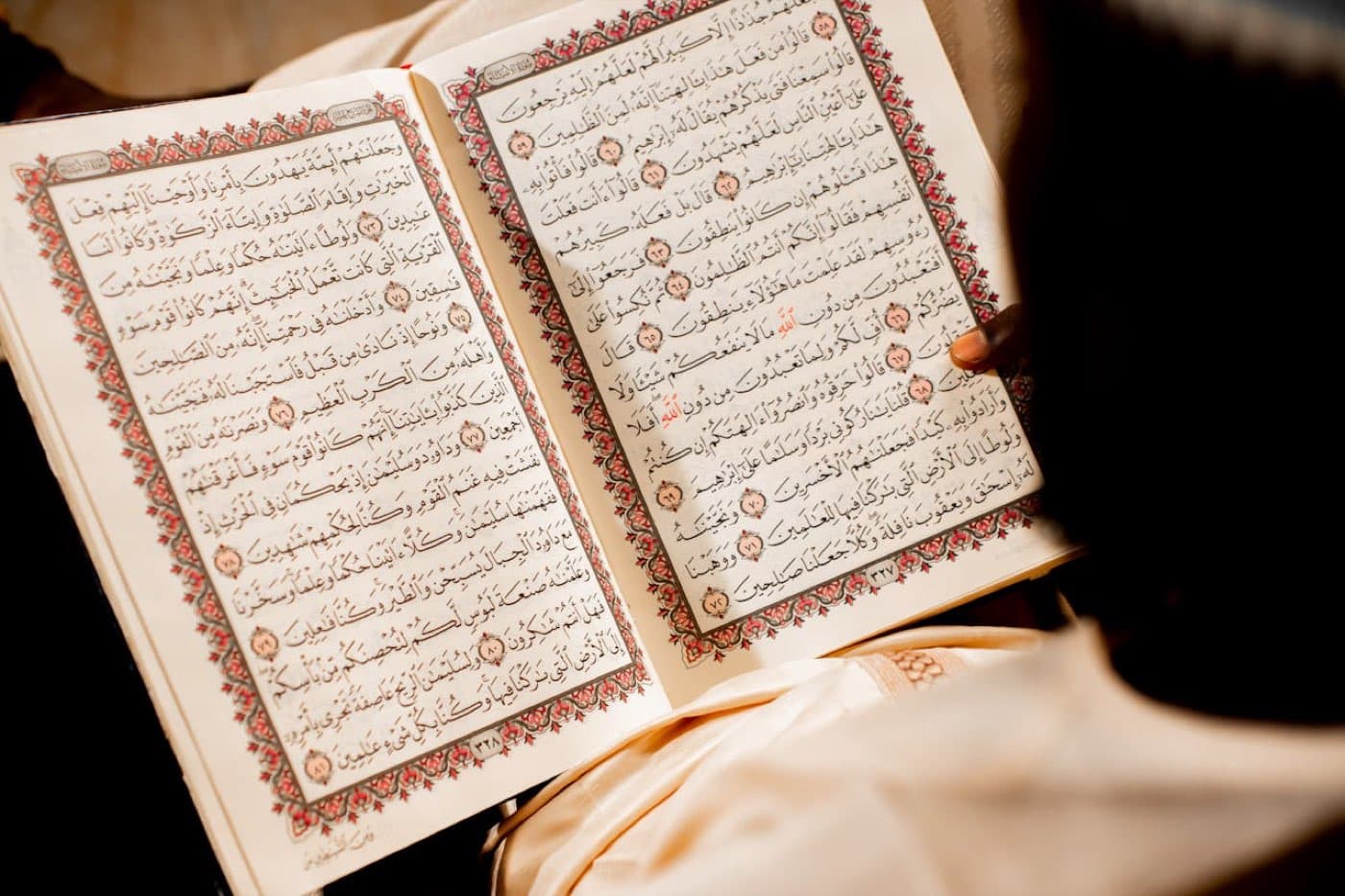
Some letters come from different places in the mouth or throat but sound similar to children who grew up speaking English or Urdu. These matter, because in the Quran changing the letter can change the meaning.
- س and ص (sin and ṣad): ṣad is heavier, said with the tongue raised towards the roof of the mouth.
- ت and ط (ta and ṭa): ṭa is the heavy version.
- د and ض (dal and ḍad): ḍad is heavy and comes from the side of the tongue.
- ذ, ز and ظ (dhal, zay and ẓa): dhal and ẓa are said with the tip of the tongue between the teeth; ẓa is the heavy one; zay is a buzzing "z".
- ه and ح (ha and ḥa): ha is a light breath; ḥa comes from the middle of the throat.
- ء and ع (hamza and ain): hamza is a short catch in the throat; ain is deeper, from the middle of the throat.
- ك and ق (kaf and qaf): qaf comes from much further back, near the throat.
How to fix it: practise the pair side by side. Read a light letter, then its heavy partner, then the light one again, so the child hears and feels the difference in their own mouth. This is exactly what a teacher does live in class, because it is hard to self-correct a sound you cannot yet hear.
Letters that change shape
Arabic letters change shape depending on where they sit in a word. A child who knows ه on its own may not recognise it in the middle of a word. The Noorani Qaida introduces the joined forms step by step for this reason, and it helps to point out the same letter in its different forms during practice.
Simple practice at home

- Five minutes a day beats an hour on Sunday. Short, regular practice is what makes the letters stick.
- Play "spot the letter". Point to a line of the Qaida and ask your child to find every ب, then every ت.
- Listen, don't correct. Let the teacher handle corrections; at home your job is to keep it relaxed.
- Revise old pages. Mistakes often come back on pages your child "finished" weeks ago.
Why a live teacher matters here
Apps can show the letters, but most sound mistakes can only be heard and fixed by a person listening. In a one-to-one class the teacher hears every letter your child reads and corrects it on the spot, before it becomes a habit. That is the main reason most children start with the Noorani Qaida with a live teacher, usually over six to twelve months.
At Online Quran Lessons every class is live and one-to-one, with a male or female teacher you choose, and a female supervisor checks every class. The first 3 classes are free, no card needed.