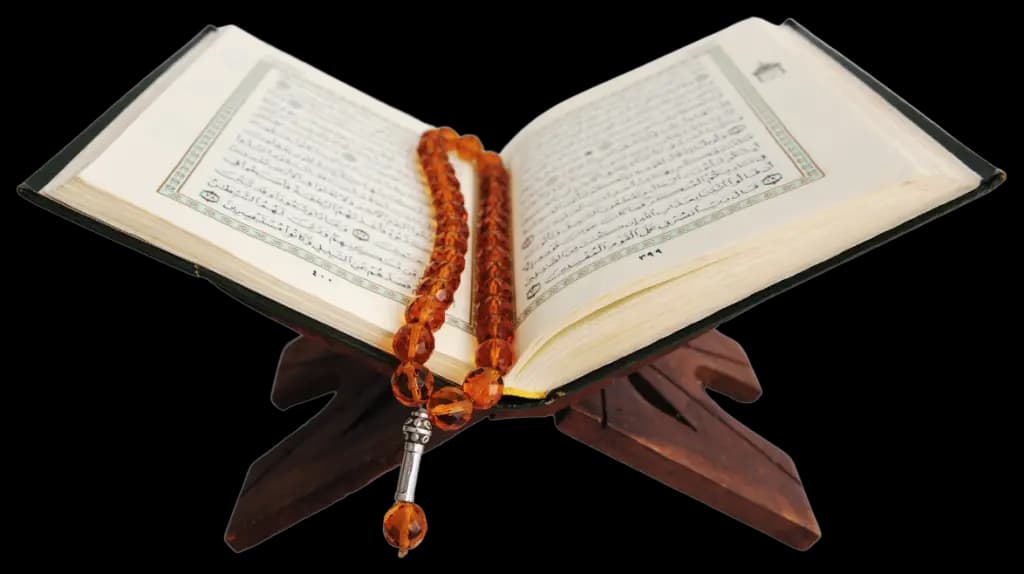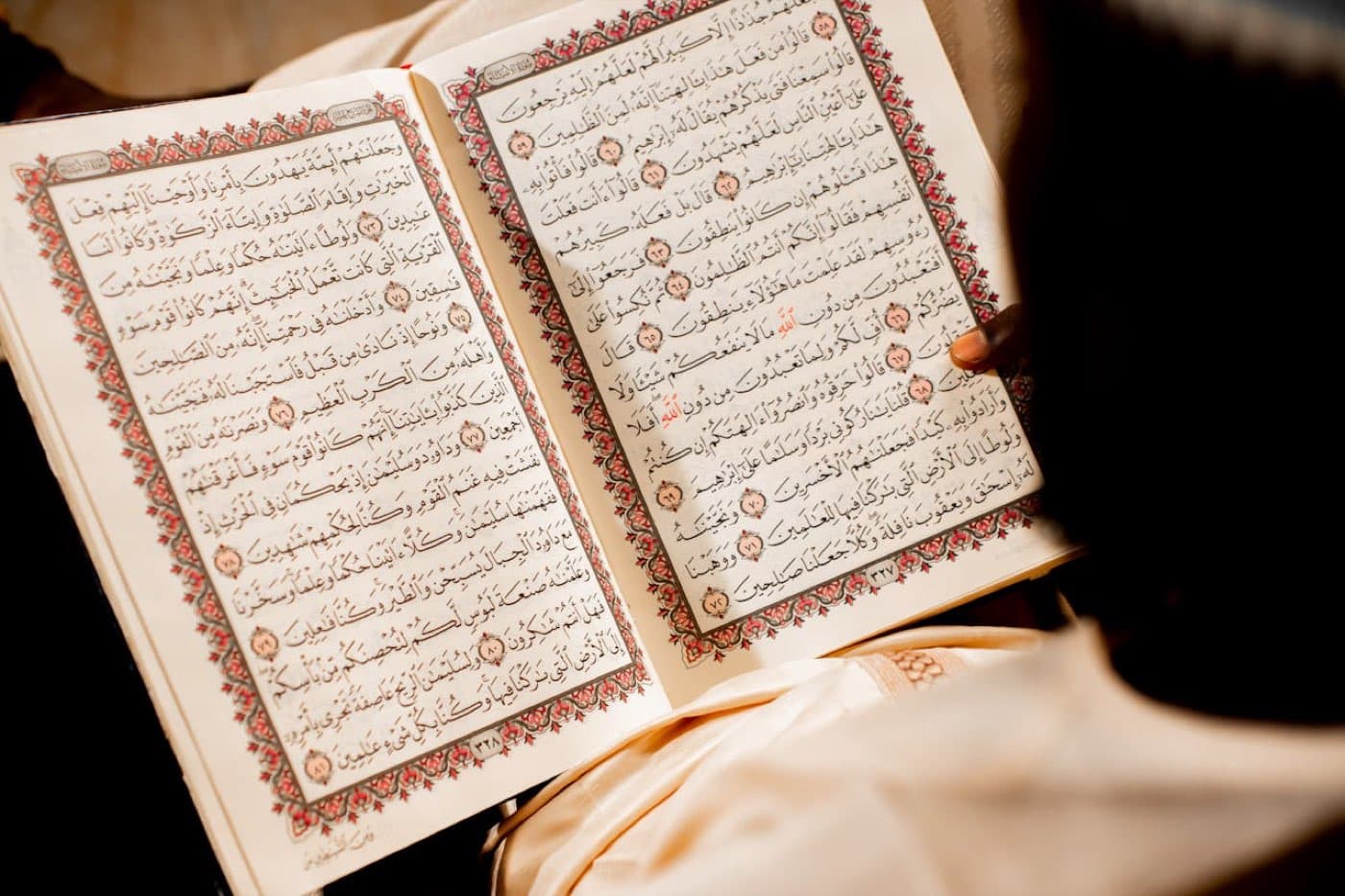
The short answer: the standard Madinah Mushaf marks 15 places where a reader or listener makes a *sajdah tilawat* (prostration of recitation). They are marked with the symbol ۩ in the text and usually a line in the margin. Scholars agree on most of them and differ on a couple, which is why you will also hear "14 sajdahs".
All 15 places
| # | Surah | Verse | Para |
|---|---|---|---|
| 1 | Al-A'raf (7) | 206 | 9 |
| 2 | Ar-Ra'd (13) | 15 | 13 |
| 3 | An-Nahl (16) | 50 | 14 |
| 4 | Al-Isra (17) | 109 | 15 |
| 5 | Maryam (19) | 58 | 16 |
| 6 | Al-Hajj (22) | 18 | 17 |
| 7 | Al-Hajj (22) | 77 | 17 |
| 8 | Al-Furqan (25) | 60 | 19 |
| 9 | An-Naml (27) | 26 | 19 |
| 10 | As-Sajdah (32) | 15 | 21 |
| 11 | Sad (38) | 24 | 23 |
| 12 | Fussilat (41) | 38 | 24 |
| 13 | An-Najm (53) | 62 | 27 |
| 14 | Al-Inshiqaq (84) | 21 | 30 |
| 15 | Al-'Alaq (96) | 19 | 30 |
Why some say 14

- Hanafi school: counts 14. It does not count the second place in Al-Hajj (22:77), but does count Sad (38:24).
- Shafi'i and Hanbali schools: also count 14, but the other way round. Both places in Al-Hajj count, while Sad (38:24) is treated as a prostration of thanks rather than of recitation.
- Maliki school: the best-known position counts 11, not including the three in the last parts of the Quran (An-Najm, Al-Inshiqaq and Al-'Alaq).
Follow the view of the scholars you normally follow. Your mosque imam or Quran teacher can tell you which one your family practises.
How to perform sajdah tilawat
- Recite or hear the verse of sajdah.
- Say *Allahu Akbar* and go down into one prostration, as in prayer.
- In prostration, say *Subhana Rabbiyal A'la*, and you may add the dua below.
- Say *Allahu Akbar* and come up. There is no tashahhud and no salam in the common practice outside prayer.
If the verse comes while you are praying, make the prostration within the prayer, then stand and continue reciting.
The dua in sajdah tilawat

Abu Dawud and At-Tirmidhi record that the Prophet ﷺ would say in the prostration of recitation: *Sajada wajhiya lilladhi khalaqahu, wa shaqqa sam'ahu wa basarahu, bi hawlihi wa quwwatihi*, "My face has prostrated to the One who created it and brought forth its hearing and sight by His might and power."
Is it obligatory?
In the Hanafi school it is *wajib* (necessary) for the one who recites the verse and the one who hears it. In the Shafi'i, Maliki and Hanbali schools it is a strongly recommended sunnah. Either way, it is a beautiful habit to teach children from the start.
What happens in an online class?

When a student reaches a sajdah verse, our teachers pause and explain it, and the student can make the prostration where they are sitting. It is a good moment to teach children the meaning of the verse. See also waqf signs in the Quran for the other marks they will meet.
If you want a teacher to guide your child through the Quran with Tajweed, see our online Tajweed classes or book 3 free trial classes.