The short answer: the Quran is divided into 30 equal parts called a *juz* in Arabic or a *para* (sipara) in Urdu. Each para is traditionally named after the first words it begins with, so the first is *Alif Lam Mim*, the second is *Sayaqul*, and the last is *Amma*. The full list, with where each one starts, is below.
Why the paras have these names
The division into 30 parts was made so the Quran could be read in a month, one part a day. The names are not titles given by revelation. They are simply the opening words of each part, used by teachers and students for centuries, which is why a child in a mosque class will say "I am on Qad Aflaha" rather than "I am on juz 18".
All 30 para names

| Juz | Para name | Starts at (Madinah Mushaf) |
|---|---|---|
| 1 | Alif Lam Mim | Al-Fatiha 1 |
| 2 | Sayaqul | Al-Baqarah 142 |
| 3 | Tilkar Rusul | Al-Baqarah 253 |
| 4 | Lan Tanalu | Aal-e-Imran 92 |
| 5 | Wal Muhsanat | An-Nisa 24 |
| 6 | La Yuhibbullah | An-Nisa 148 |
| 7 | Wa Idha Sami'u | Al-Ma'idah 82 |
| 8 | Wa Lau Annana | Al-An'am 111 |
| 9 | Qalal Mala'u | Al-A'raf 88 |
| 10 | Wa'lamu | Al-Anfal 41 |
| 11 | Ya'tadhirun | At-Tawbah 94 |
| 12 | Wa Ma Min Dabbah | Hud 6 |
| 13 | Wa Ma Ubarri'u | Yusuf 53 |
| 14 | Rubama | Al-Hijr 1 |
| 15 | Subhanalladhi | Al-Isra 1 |
| 16 | Qal Alam | Al-Kahf 75 |
| 17 | Iqtaraba | Al-Anbiya 1 |
| 18 | Qad Aflaha | Al-Mu'minun 1 |
| 19 | Wa Qalalladhina | Al-Furqan 21 |
| 20 | Amman Khalaq | An-Naml 56 |
| 21 | Utlu Ma Uhiya | Al-Ankabut 46 |
| 22 | Wa Man Yaqnut | Al-Ahzab 31 |
| 23 | Wa Mali | Ya-Sin 28 |
| 24 | Fa Man Azlamu | Az-Zumar 32 |
| 25 | Ilaihi Yuraddu | Fussilat 47 |
| 26 | Ha Mim | Al-Ahqaf 1 |
| 27 | Qala Fa Ma Khatbukum | Adh-Dhariyat 31 |
| 28 | Qad Sami'allah | Al-Mujadilah 1 |
| 29 | Tabarakalladhi | Al-Mulk 1 |
| 30 | Amma Yatasa'alun | An-Naba 1 |
Why some start points look one verse off
The verse numbers above follow the Madinah Mushaf printed by the King Fahd Complex, which most online Quran apps use. Many copies printed in Pakistan and India (the 13-line or 16-line "Indo-Pak" mushaf) mark a few paras a verse or so earlier. That is also why a few traditional names, such as *Wa Idha Sami'u* (juz 7), *Amman Khalaq* (juz 20), *Utlu Ma Uhiya* (juz 21) and *Wa Mali* (juz 23), come from words just before or after where the Madinah Mushaf begins the juz. Both are correct; they are simply different printing traditions.
Smaller divisions: hizb, rub' and manzil
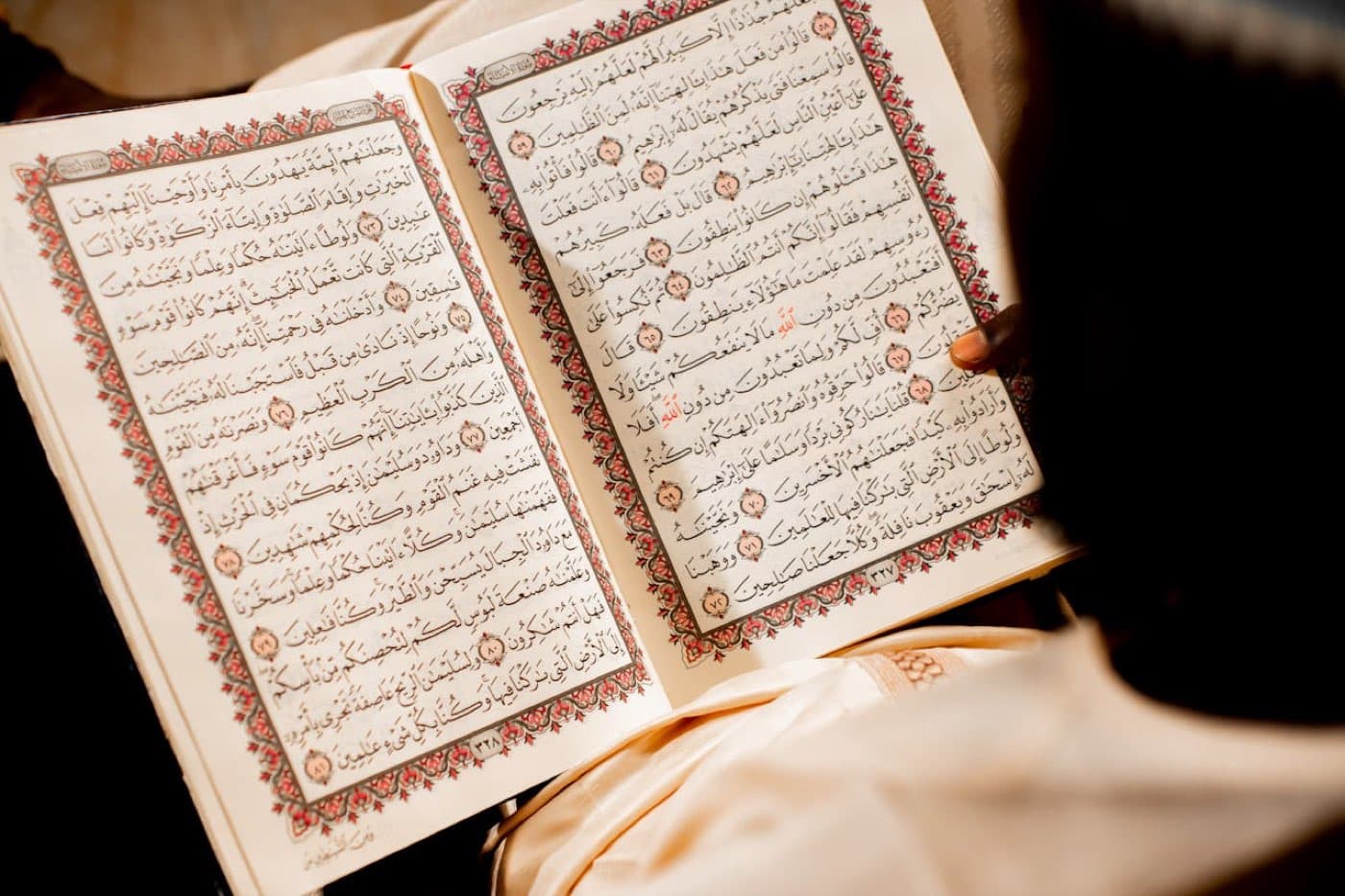
Each juz is split into two *hizb*, and each hizb into quarters (*rub'*). Separately, the Quran is divided into seven *manzil* for reading the whole Quran in a week. Our guide to how the Quran is divided explains each one.
Which para should a child start with?
Almost every child starts memorising from para 30 (Amma), because its surahs are short and are used in daily prayer. See short surahs for kids to memorise first for the order most teachers use.
If you want a teacher to take your child through the Quran para by para, our online Hifz classes for kids are one-to-one, and you can book 3 free trial classes.