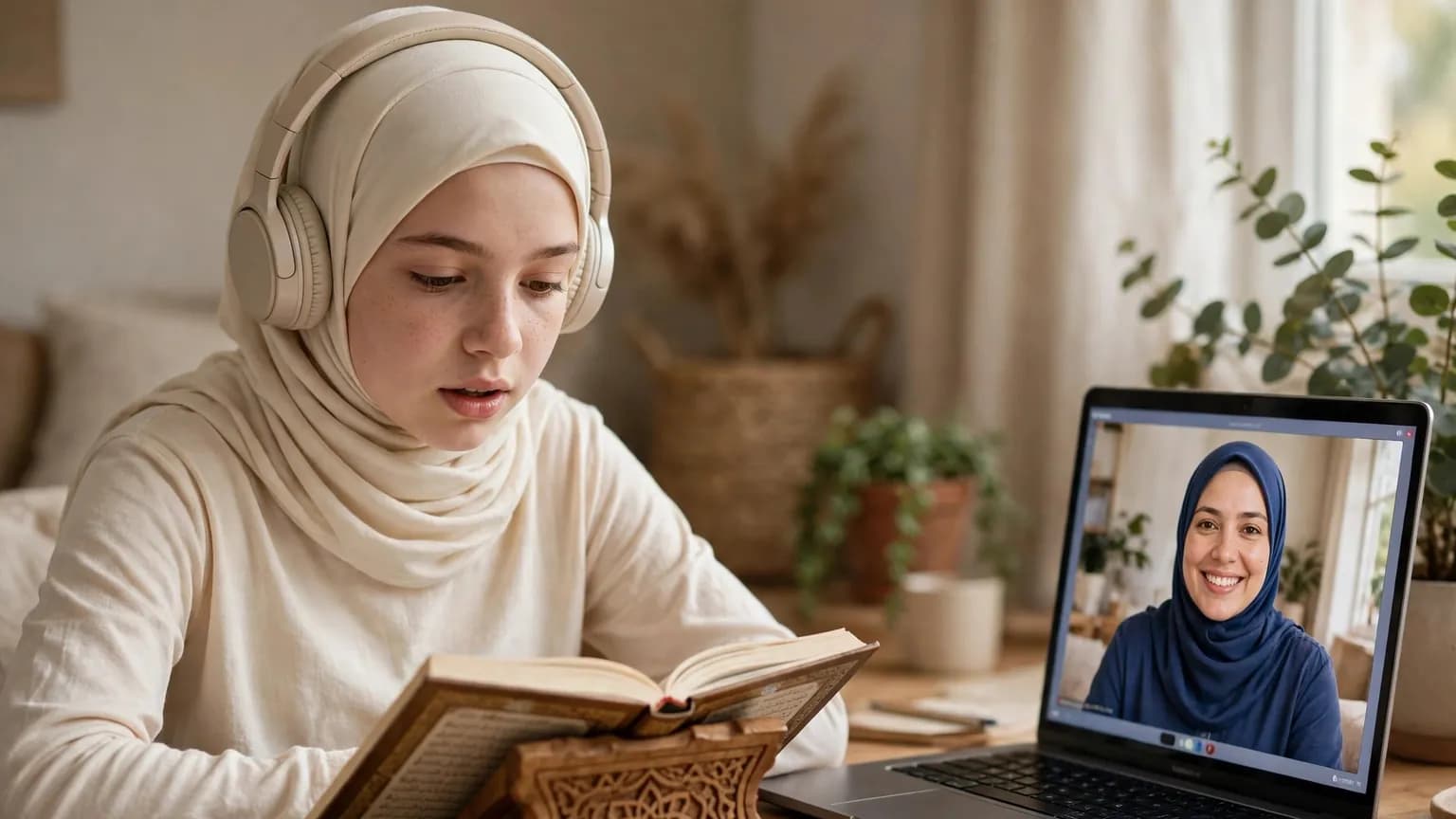
The short answer: start with love and simple habits at 4–6 (Allah made everything, Bismillah, a few duas, stories of the prophets), add Salah, wudu and the pillars of Islam at 7–9, go deeper into Seerah, meanings and good character at 10–12, and from 13 make space for questions, reasons and real-life choices. Each stage builds on the last, so nothing is taught only once.
Why age matters
A 5-year-old and a 12-year-old can learn the same topic, but not in the same way. Young children learn through stories, repetition and copying adults. Older children want reasons. Teenagers want to know how their faith answers the questions they meet at school and online. Teaching at the right level keeps Islam warm and meaningful instead of a list of rules.
Ages 4–6: love, stories and habits
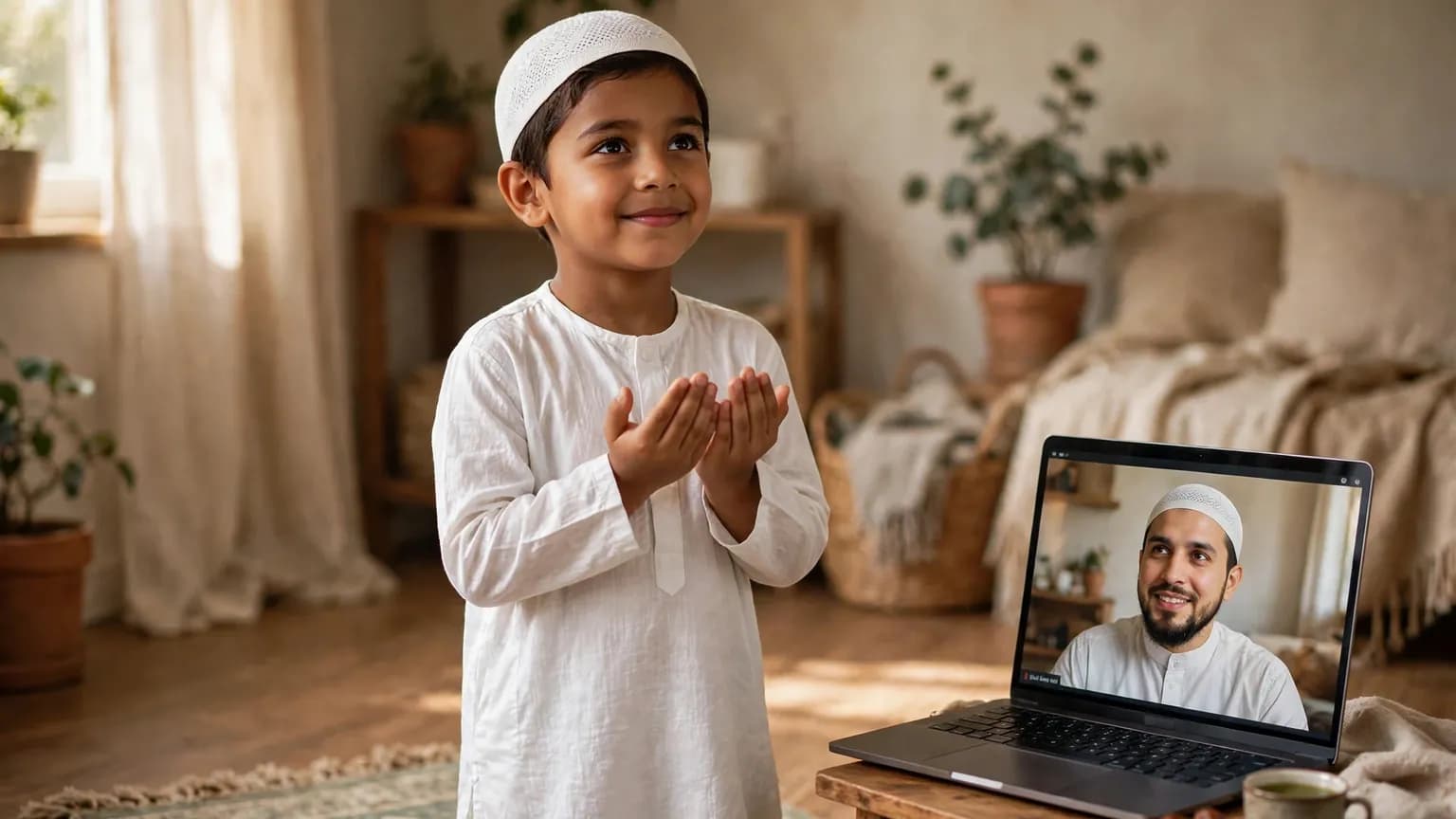
- Beliefs: Allah made us and everything around us; Allah loves us and hears us. Short, positive, concrete ideas.
- Words to say: Bismillah, Alhamdulillah, Assalamu alaikum, JazakAllahu khayran.
- Duas: a few short ones tied to daily moments, such as before eating and before sleep. Our list of daily duas for kids with meanings is a good place to start.
- Prayer: praying beside a parent and copying the movements, with no pressure.
- Stories: simple stories of the prophets and of the Prophet Muhammad ﷺ's kindness.
- Manners: saying thank you, sharing, eating with the right hand, being kind to parents.
Ages 7–9: the building blocks
- Beliefs: the five pillars of Islam and the six pillars of Iman, in simple words.
- Salah and wudu: learning to pray properly, step by step. Many families start regular prayer around 7. See teaching kids Salah step by step.
- Statements of faith: the Shahadah, and for many families the Kalimas. See the six Kalimas for kids.
- More duas: leaving and entering the home, travelling, and short Quranic duas.
- Seerah: the main events of the Prophet's ﷺ life in order: his birth, childhood, honesty, first revelation and the Hijrah.
- Manners: honesty, keeping promises, respect for teachers, kindness to neighbours and animals.
Ages 10–12: understanding and character
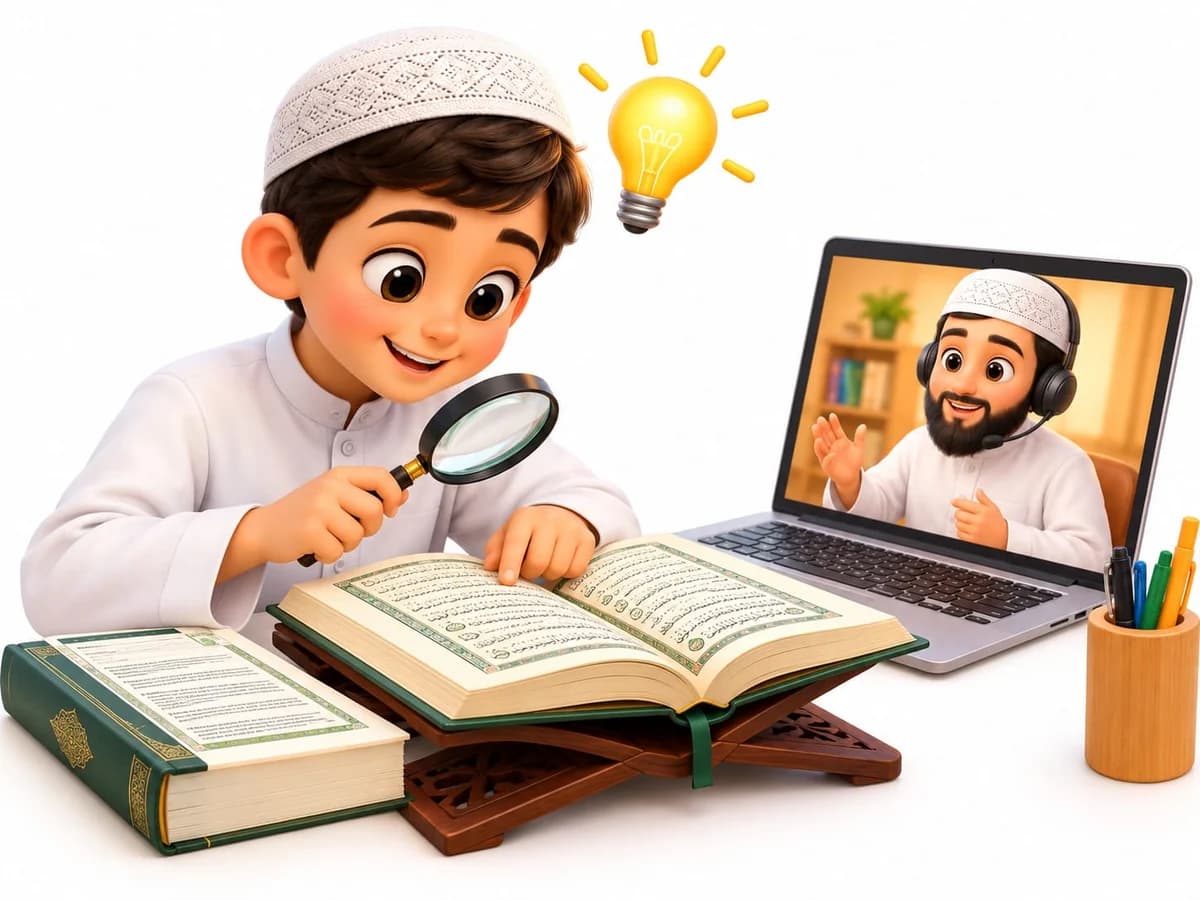
- Beliefs: Tawhid explained more fully; why we believe in angels, books, messengers, the Last Day and qadr. Our Aqeedah classes for kids cover this in steps.
- Salah: praying on time, the meaning of what is recited, and the basics of what breaks wudu and prayer, following the family's school of thought where details differ.
- Quran meanings: what the short surahs they know actually say.
- Seerah: the Madinah years, the companions, and lessons from events such as the Treaty of Hudaybiyyah and the conquest of Makkah. Our Seerah classes for kids follow the story in order.
- Character: controlling anger, backbiting, honesty online, helping at home. See Islamic manners for kids.
- Fasting: practising fasts in Ramadan as they grow, and why we fast.
Ages 13 and over: questions and real life
- Beliefs with reasons: why Muslims believe in Allah, the Quran and the Prophet ﷺ, and how to answer questions from friends.
- Responsibilities: what it means to be accountable as a young adult, praying and fasting as obligations, and the basics of purity.
- Seerah and hadith: deeper study, including well-known authentic hadiths and what they teach about daily life.
- Modern life: friendships, social media, honesty, modesty, kindness and staying connected to the Quran during busy school years.
- Space to ask: the most important thing at this age is a teacher or parent who welcomes hard questions instead of shutting them down.
Islamic Studies by age at a glance
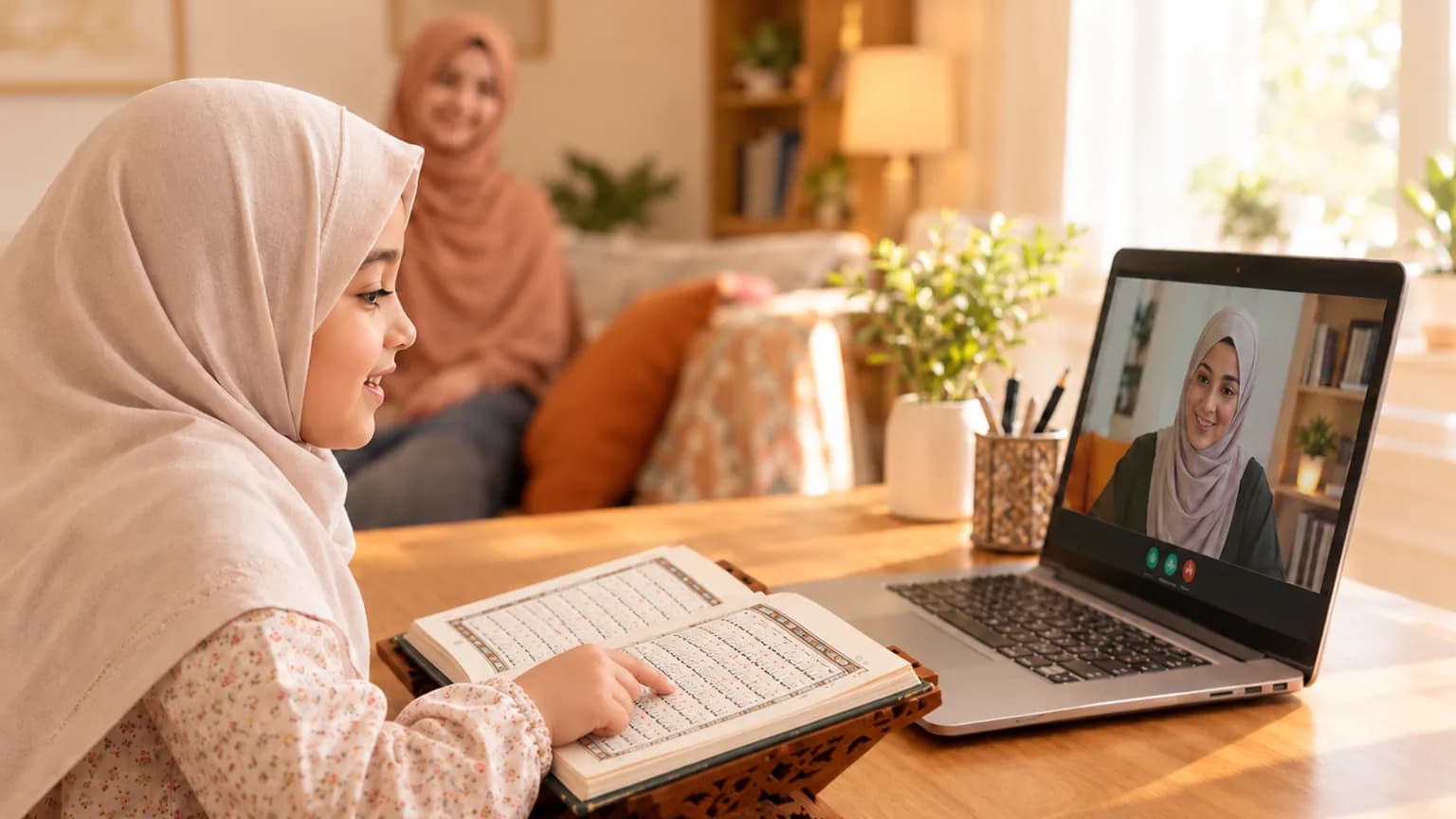
| Topic | 4–6 | 7–9 | 10–12 | 13+ |
|---|---|---|---|---|
| Beliefs (Aqeedah) | Allah made everything and loves us | Pillars of Islam and Iman | Tawhid and the six pillars explained | Reasons, questions and answers |
| Salah | Copy a parent | Learn wudu and the full prayer | Pray on time; meaning of recitations | Prayer as a personal commitment |
| Duas | 3–5 short daily duas | Daily duas for most routines | Duas with meanings; Quranic duas | Making personal du'a; morning and evening adhkar |
| Seerah | Simple stories of kindness | Main events in order | Madinah years and lessons | Deeper study with hadith |
| Prophets | Short stories (Adam, Nuh, Ibrahim) | More prophets, simple lessons | Stories from the Quran with meanings | Themes across the prophets' lives |
| Manners (Akhlaq) | Please, thank you, sharing | Honesty, respect, kindness | Anger, backbiting, online honesty | Character in real-life choices |
How much time it really needs
Islamic Studies does not need hours a week. One 30-minute class plus a few minutes at home most days goes a long way, especially if it sits alongside regular Quran reading. Our weekly Islamic learning plan for kids shows one way to fit it in. For the stories of the prophets specifically, see teaching kids about the prophets.
Tips that work at every age
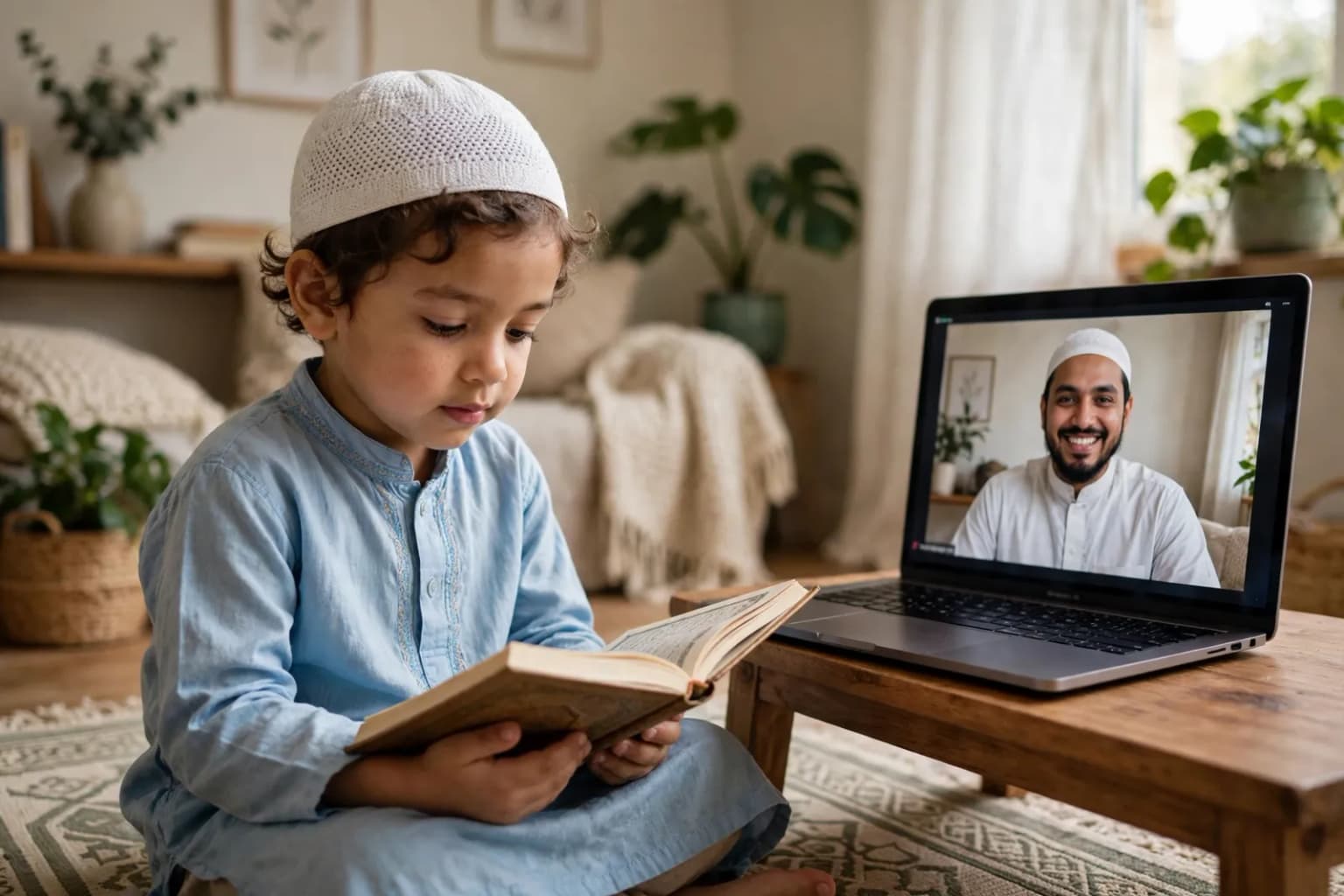
- Live it at home. Children learn far more from seeing parents pray, make du'a and keep promises than from any lesson.
- Keep it positive. Talk more about Allah's love and mercy than about punishment, especially with young children.
- Revisit topics. Salah at 6, at 9 and at 13 is taught three different ways. That is how it should be.
- Stay mainstream on details. Where schools of thought differ, follow your family's practice and let the teacher know.
Classes taught at your child's level
Our Islamic Studies for kids course is taught live and one-to-one, so the teacher can pitch every topic to your child's age, in English or Urdu, with a male or female teacher at the same fee. Many families combine it with Quran reading as part of our online Islamic school programme. Book 3 free trial classes, no card needed, and ask for one Islamic Studies lesson to see how it works.