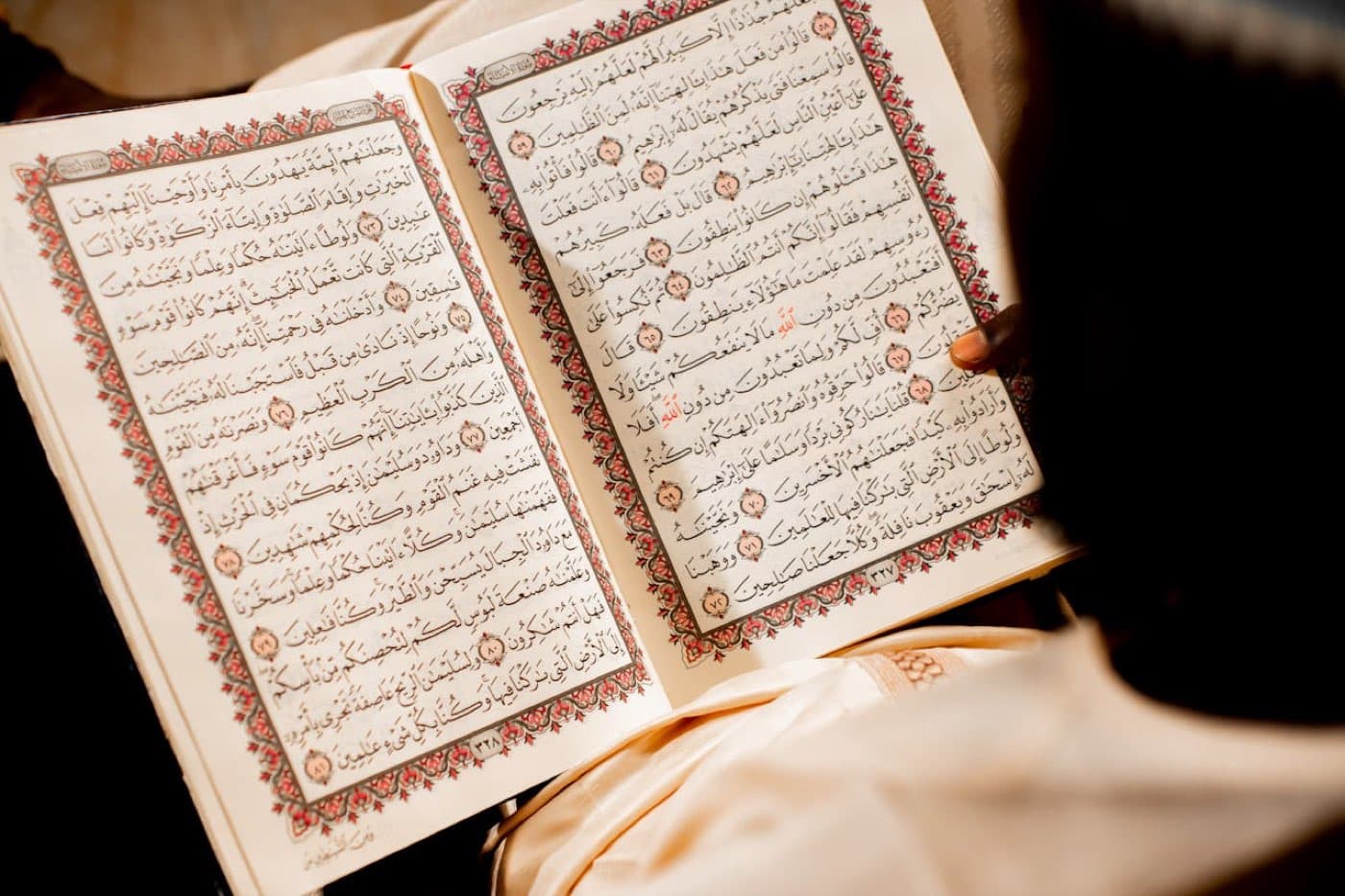
The short answer: a child with dyslexia can learn to read the Quran. Arabic brings particular challenges (letters that differ only by their dots, and letters that change shape in a word), but it also has one big advantage: the Quran is printed fully vowelled, so every sound is written down. Slow, multisensory teaching, starting with the Noorani Qaida, helps most.
What makes Arabic tricky for a dyslexic child
- Dots tell letters apart. ب, ت and ث have the same shape and differ only in the number and position of dots. So do ج, ح and خ.
- Letters change shape. Most letters look different at the start, middle and end of a word.
- Right to left. A child who has just learned to read English left to right now has to switch direction.
- Small marks matter. A missed fatha or kasra changes the sound.
What actually helps: the vowel marks

In everyday Arabic writing the short vowels are usually left out, which makes reading much harder. The Quran is different: every letter carries its vowel mark. Once a child knows the letters and marks, each word can be sounded out exactly as written. For many dyslexic children that predictability is a real help.
Teaching ideas that suit dyslexic learners
- Multisensory letters. Say the sound, trace the letter in sand or on the table, and build it with play dough. Using sight, sound and touch together helps the shape stick.
- One confusable group at a time. Teach ب first and make it secure before adding ت and ث, then practise telling them apart.
- Colour. A colour-coded Tajweed Quran, or simply a highlighter on the letter being learned, can help the eye find what matters.
- Large, clear print. A larger Mushaf or zoomed-in screen and a finger or pointer under the line reduce visual crowding.
- Short, frequent practice. Ten minutes a day beats an hour at the weekend.
- Listen first. Hearing a verse recited before reading it gives the child a sound to match the letters to.
- Lots of revision. Expect to come back to the same letters many times. That is normal, not failure.
Start with the Noorani Qaida
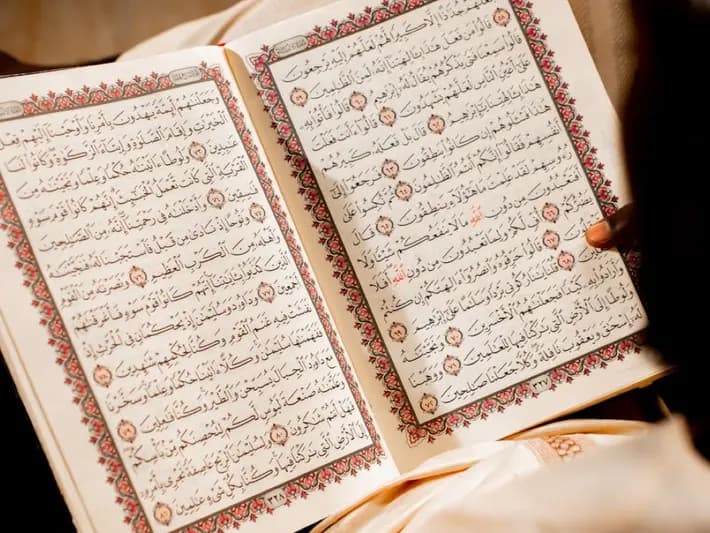
The Noorani Qaida introduces one letter, then letter shapes, then vowels, step by step. For a dyslexic child, take it slower than usual and do not move on until a page is secure. See Noorani Qaida lesson 1 for kids and why children mix up Arabic letters.
Memorising while reading develops
Reading may take your child longer, but memorising by listening often does not. Many families keep short surahs and daily duas going by ear, so the child is connected to the Quran and feels successful while reading is still building.
Choosing a teacher

- Patient with repetition and happy to go slowly.
- Willing to use colour, tracing and listening, not just "read it again".
- One-to-one, so your child is never reading in front of others.
- Tells you what to practise at home each week.
Encouragement matters
Children with dyslexia often already feel behind at school. Quran class should not add to that. Praise effort, keep sessions short, and remember the hadith: the one who reads the Quran with difficulty, stumbling over it, has two rewards (Bukhari and Muslim).
This guide is about Quran reading. If you think your child may have dyslexia, or reading is a struggle at school too, speak to your child's school or GP about an assessment.
Our Quran classes for children with additional needs go at your child's pace, one-to-one, starting with the Noorani Qaida. You can book 3 free trial classes and sit in on every one.