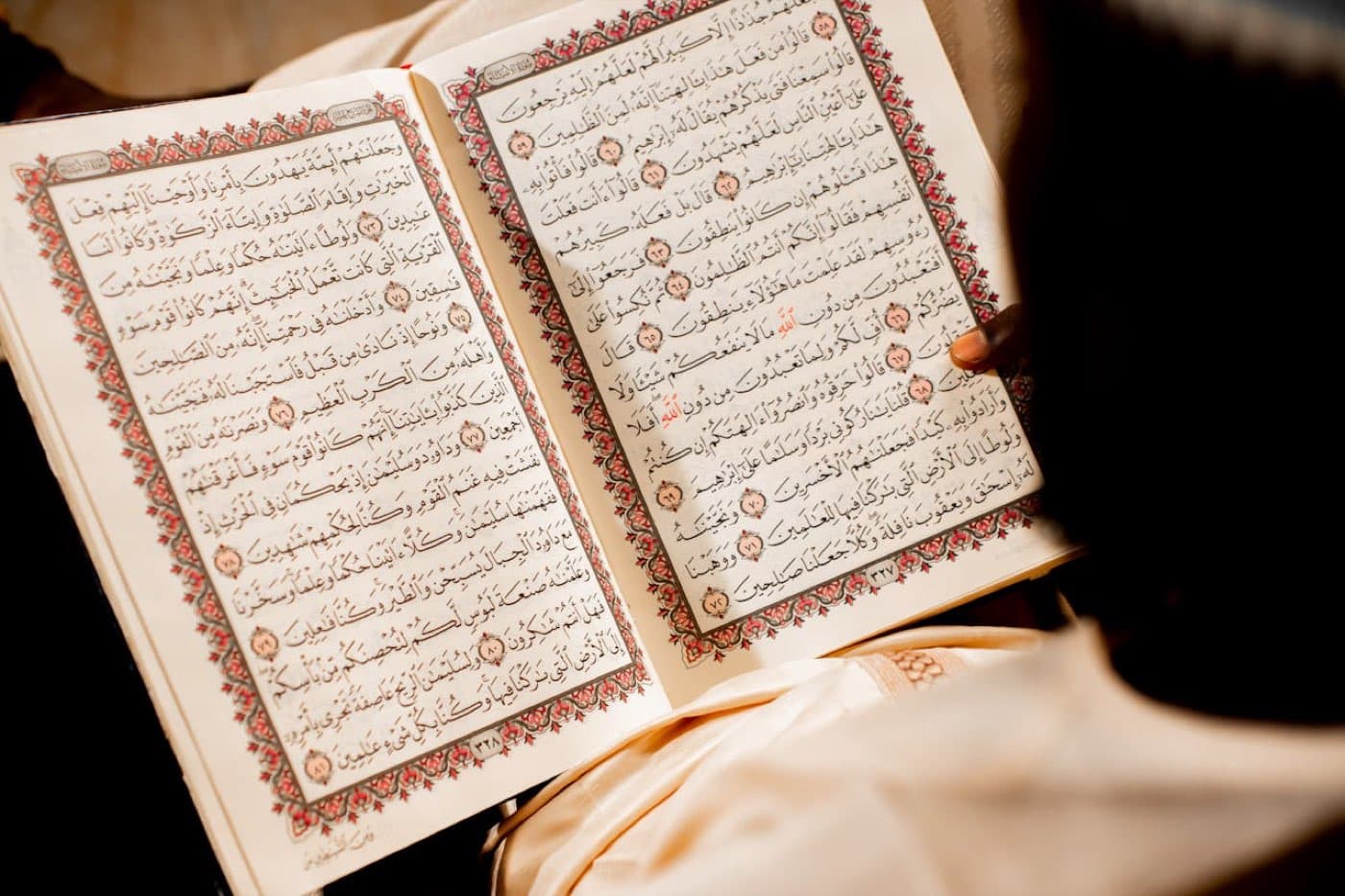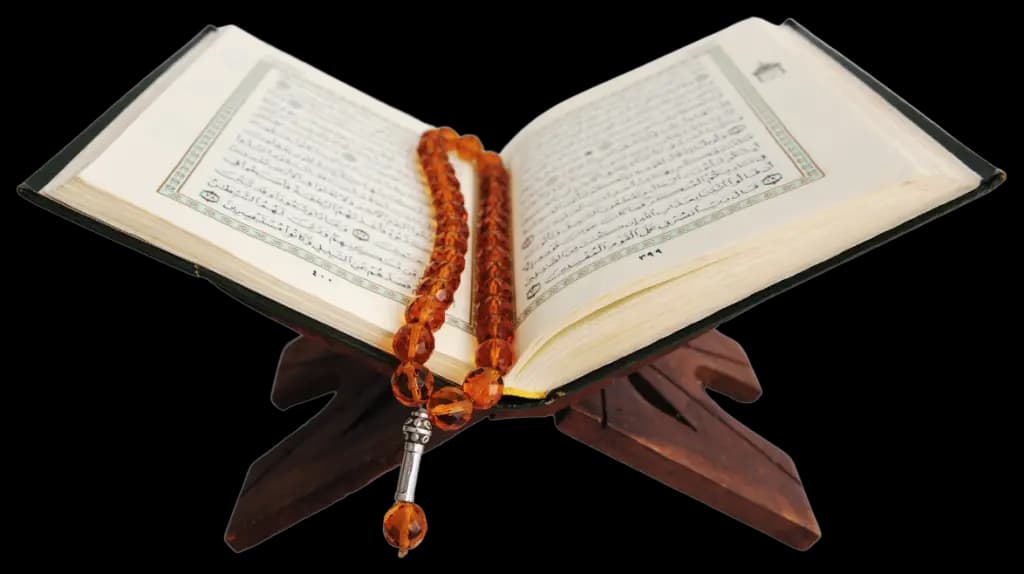
The short answer: children learn to respect the Quran mostly by copying what they see at home. Keep the Mushaf in a clean, high place, show them how you prepare before reading, ask for quiet when the Quran is recited, and treat the online class time like a small, special appointment. Teach one habit at a time, explain the reason in simple words, and praise them when they remember.
Most parents want two things when their child starts Quran lessons: that the child learns to read correctly, and that the child grows up loving and honouring the Book of Allah. The first comes from good teaching. The second, adab, is built at home, little by little, long before a child understands the full meaning of what they are reading.
This guide works whether you live in a busy flat in London, a house in Texas or an apartment in Melbourne. The habits are the same everywhere.
Why adab matters before fluency
A five-year-old cannot yet explain why the Quran is special. But they notice very quickly how the adults around them behave. If the Mushaf lives on a clean shelf, if the TV goes off when someone recites, and if a parent sits up straight to read, the child learns that this Book is different from every other book in the house.
Adab also helps the learning itself. A child who arrives at class calm, seated and ready usually reads better than a child who joins from the sofa halfway through a cartoon. Respect and focus grow together.
Seven simple habits to teach at home

1. Keep the Mushaf in a special place
Give the Quran its own clean, high shelf, above other books and away from the floor, shoes and food. Let your child help choose the spot. Children feel ownership of a rule they helped make.
2. Prepare before reading
Show your child how you make wudu before you pick up the Mushaf. Many scholars hold that an adult should be in wudu to touch the Mushaf, while many are more lenient with young children who are still learning. Ask your local imam or scholar for the view your family follows. Either way, making wudu before Quran time is a beautiful habit to start early, and our guide on how to make wudu for kids walks through it step by step.
3. Start with A'udhu billah and Bismillah
Teach your child to begin reading with "A'udhu billahi minash-shaytanir-rajim" and "Bismillahir-Rahmanir-Rahim". It is short, children enjoy saying it, and it turns opening the book into a small moment of intention.
4. Sit properly and hold the book with care
Sitting upright at a table, or on the floor with a small Quran stand (rehal), is better than lying down or slouching. Show your child how to turn pages gently from the corner and how to close the Mushaf when they finish rather than leaving it open and face down.
5. Listen quietly when the Quran is recited
Allah says in the Quran that when it is recited, we should listen and be silent (Surah Al-A'raf, 7:204). This is an easy rule for children to understand: when a sibling is reading, or the teacher is reciting in class, we stop talking and listen. Turning the TV or music off during recitation sends the same message without a single word.
6. No eating or playing with it
Keep snacks, drinks and toys away from Quran time. Explain the reason in a child's language: "We keep this book very clean because it is Allah's words."
7. Handle old or torn pages respectfully
Qaida books and old Mushafs do wear out, especially with small hands. Do not put them in the bin. Many families wrap worn pages and take them to their local mosque, which often has a respectful way of dealing with them, or follow the method their scholar recommends.
What about the Qaida book?
A Noorani Qaida is a learning book, not a Mushaf, but it contains Allah's name and, in the later lessons, words and verses from the Quran. It is a good idea to treat it with the same care: keep it on the shelf, not in the toy box. Children who look after their Qaida usually carry that respect naturally into the full Mushaf later. If your child is just starting, see how our Noorani Qaida course builds reading step by step.
Respect during online classes

Online lessons add a new question for many parents: how do you show respect when the Quran is on a screen? A few simple habits help a lot.
- A set spot. Use the same table or corner for every class, not the bed or the sofa.
- Dressed and ready. Clean clothes, hair tidy, and girls in a scarf if that is your family's practice. It signals that this is a special time.
- Other screens away. No games or videos open in other tabs, and the TV off in the room.
- Greet the teacher. Starting with "Assalamu alaikum" and ending with "JazakAllahu khayran" teaches manners towards the person who teaches the Quran, which is part of adab too.
- Close the Quran app properly. When the lesson ends, close the Quran page before using the device for anything else.
Scholars differ on details such as wudu for reading from a screen, so follow the guidance your family trusts. What matters most for a child is the feeling that class time is not just another screen time. Our guide on online Quran classes and screen time has more ideas on keeping that balance.
How to teach adab without nagging
Long lectures rarely work with children. These approaches usually do:
- One habit a week. Pick one habit, practise it every day for a week, then add the next.
- Do it yourself first. If you want your child to make wudu before reading, let them see you do it, every time.
- Explain the why, briefly. One sentence is enough: "We put it up high because it is the most important book in our home."
- Praise the effort. "I saw you put your Qaida back on the shelf. MashaAllah, that was so respectful." Praise works much better than correction.
- Correct gently and privately. If your child forgets and leaves the Mushaf on the floor, simply pick it up together and put it back. No shame, no shouting.
- Tell stories. Stories of how the Companions loved and honoured the Quran make the rules feel meaningful rather than strict.
Remember the goal is love, not fear. A child who feels the Quran is warm and close will keep the habits for life, while a child who only hears "don't touch that" may start to avoid it. For more on keeping children keen, read how to motivate a child to read Quran.
A quick checklist for parents

| Habit | Simple way to teach it |
|---|---|
| Special place for the Mushaf | Let your child choose a high, clean shelf |
| Wudu before reading | Make wudu together before Quran time |
| A'udhu billah and Bismillah | Say it out loud together before every lesson |
| Listening quietly | TV off and no talking when anyone recites |
| Clean hands, no food | Snacks only after Quran time |
| Respect in online class | Same spot, dressed and ready, other screens off |
How the teacher helps
Good Quran teachers teach adab alongside reading: greeting, sitting properly, listening while the teacher recites and showing patience. At Online Quran Lessons, the Islamic manners side is part of how teachers work with children, and families who want more can add lessons in Islamic manners for kids.
Classes are live, one-to-one and 30 minutes long, with the same teacher every week. You can choose a male or female teacher at the same fee, sit in on any class, and book times in your own time zone, 24/7. See how our online Quran classes for kids work, check our monthly prices in your currency, and when you are ready, book 3 free trial classes. No card is needed.