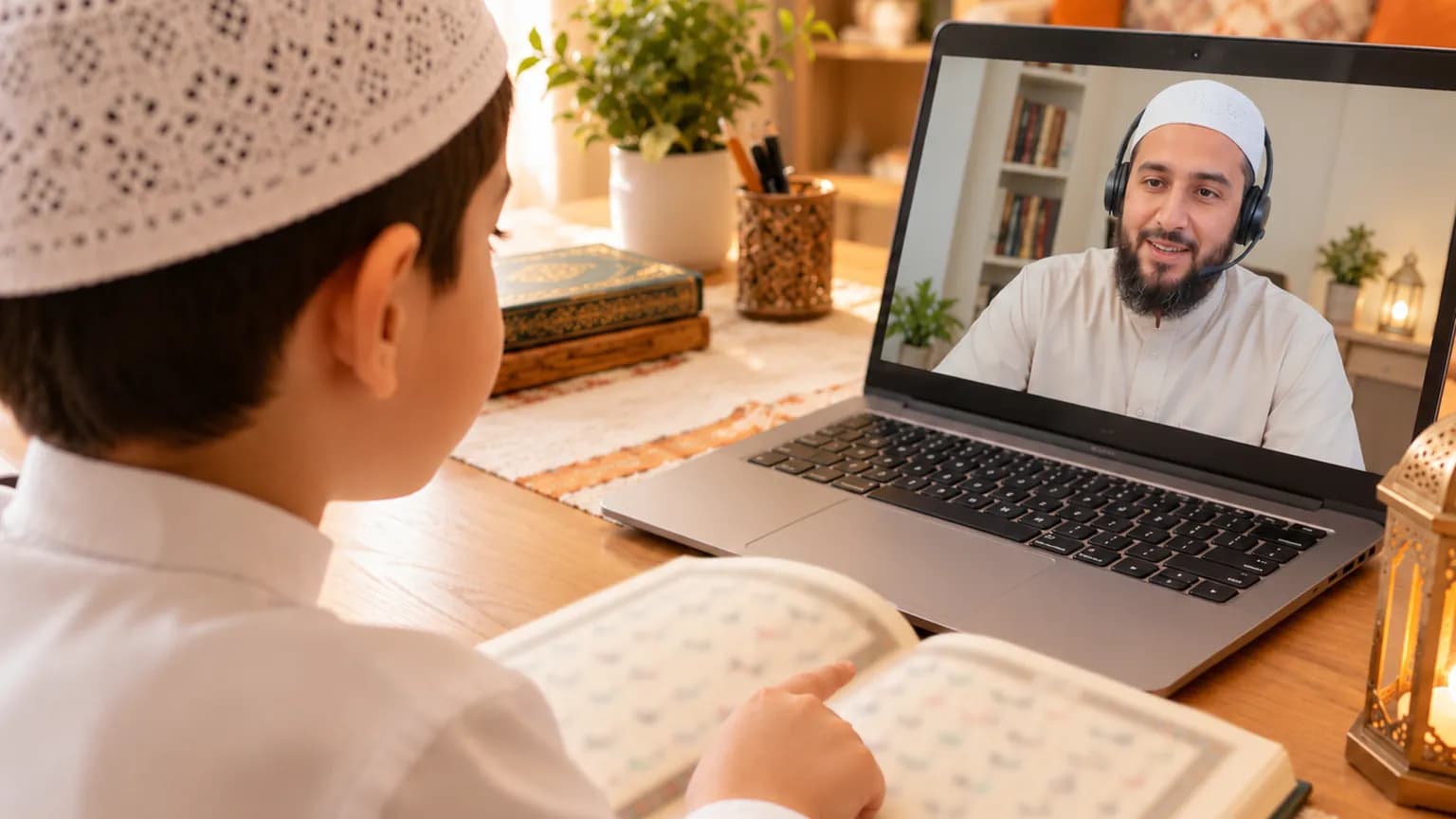
The short answer: a child can start learning Quranic Arabic once they read the Quran fairly smoothly, usually after finishing the Qaida and some time reading from the mushaf. They begin with the words that come up most often, such as Allah's names, common verbs and the words in Surah Al-Fatiha and the short surahs they already know, and add simple grammar only when it helps them understand a verse. Within the first year, most children can recognise many words in the surahs they pray with and follow the meaning of short verses with some help.
Reading, Tajweed and Quranic Arabic are three different things
Parents often mix these up, so it helps to separate them:
- Reading (Nazra) means sounding out the Arabic script correctly. This is what a Qaida teaches.
- Tajweed means reciting with the correct pronunciation and rules: where each letter comes from, which sounds are held, which are nasal. Our guide to what Tajweed is and why it matters explains it.
- Quranic Arabic means understanding what the words mean: vocabulary and the grammar that joins words into a sentence.
A child can recite beautifully and understand nothing, which is very common. That is why so many parents tell us, "my child reads the Quran but doesn't understand it". We wrote a separate guide on exactly that worry.
Quranic Arabic vs Modern Standard Arabic vs spoken Arabic
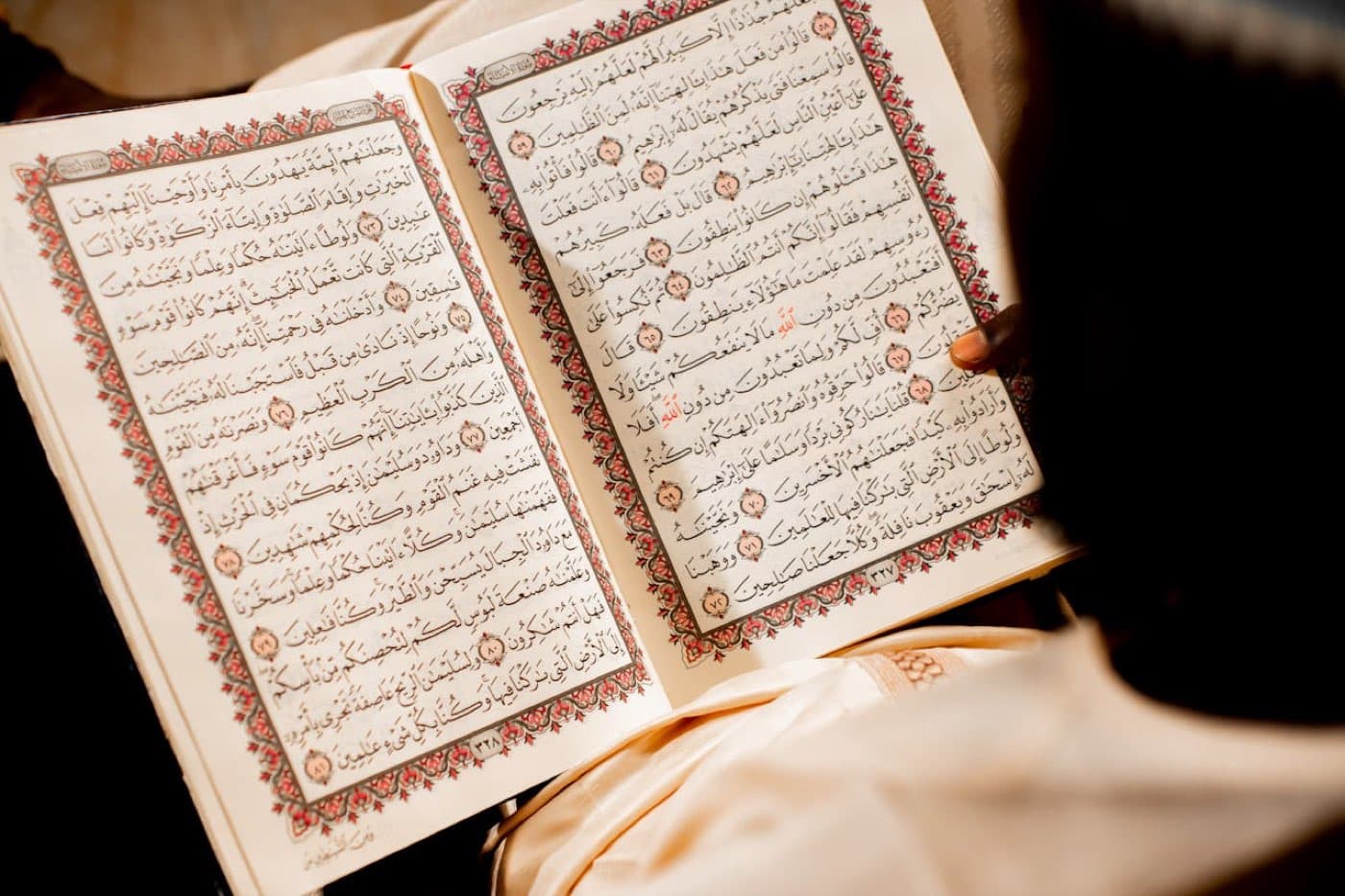
| Quranic (Classical) Arabic | Modern Standard Arabic | Spoken dialects | |
|---|---|---|---|
| Where it is used | The Quran, hadith and classical books | News, books, formal speech today | Everyday talk in Arab countries |
| Grammar | The foundation of formal Arabic | Largely the same grammar | Simplified, differs by country |
| Vocabulary | Includes words rarely used today | Many new words for modern life | Very local |
| Best for | Understanding the Quran and prayer | Reading, travel, work | Chatting with Arabic speakers |
Quranic Arabic and Modern Standard Arabic share most of their grammar, so one helps with the other. If your goal is understanding the Quran and salah, start with Quranic vocabulary; the rest can come later.
When is a child ready?
- They read the Quran without stopping on every word. Understanding comes easier when reading no longer takes all their attention. For most children this is somewhere between seven and ten, but it varies.
- They can write the Arabic letters. Writing a word helps a child remember it.
- They are curious about meaning. A child who asks "what does this mean?" in class is often ready.
Younger children can still learn the meaning of what they recite, a little at a time, alongside their reading lessons. Knowing that *Al-hamdu lillah* means "all praise is for Allah" changes how a six-year-old says it.
What a child learns first
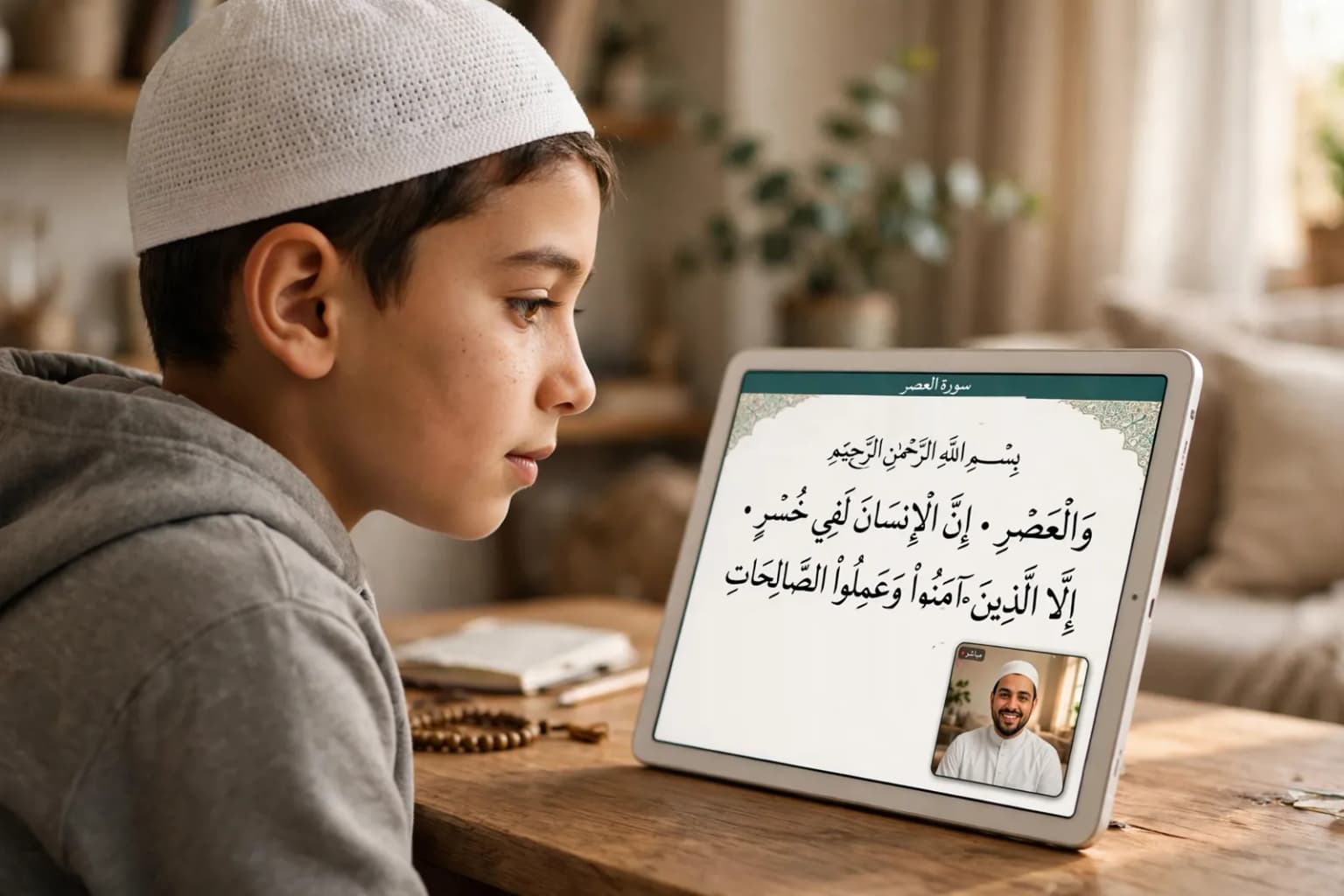
A good Quranic Arabic course for children starts with words, not grammar tables:
- Words from the surahs they already pray with. Al-Fatiha, Al-Ikhlas, Al-Falaq, An-Nas and the other short surahs. Every word learned here pays off five times a day.
- The most frequent words in the Quran. A relatively small group of words, such as *Allah*, *rabb* (Lord), *qala* (he said), *ard* (earth) and *sama* (sky), makes up a large share of the text. Learning them first means a child starts recognising words in many verses quickly.
- Pronouns and small joining words. *Huwa* (he), *nahnu* (we), *min* (from), *fi* (in), *ala* (on). These are short, very common and unlock whole phrases.
- Simple patterns. Once a child knows that many Arabic words grow from a three-letter root, they can guess the meaning of new words. *Alima* (he knew), *ilm* (knowledge) and *alim* (scholar) all share one root.
Grammar comes in slowly, one idea at a time, and always on a real verse the child already knows.
A realistic first year
- First months: the meaning of Al-Fatiha and the short surahs, word by word, and the most common words in the Quran.
- Middle of the year: pronouns, common verbs in the past and present, and the idea of roots. The child starts spotting familiar words in new surahs.
- End of the first year: following the meaning of short verses with a little help, and understanding most of what they say in salah.
Fluency takes years, and that is fine. Every word a child understands makes their recitation more meaningful.
How to help at home
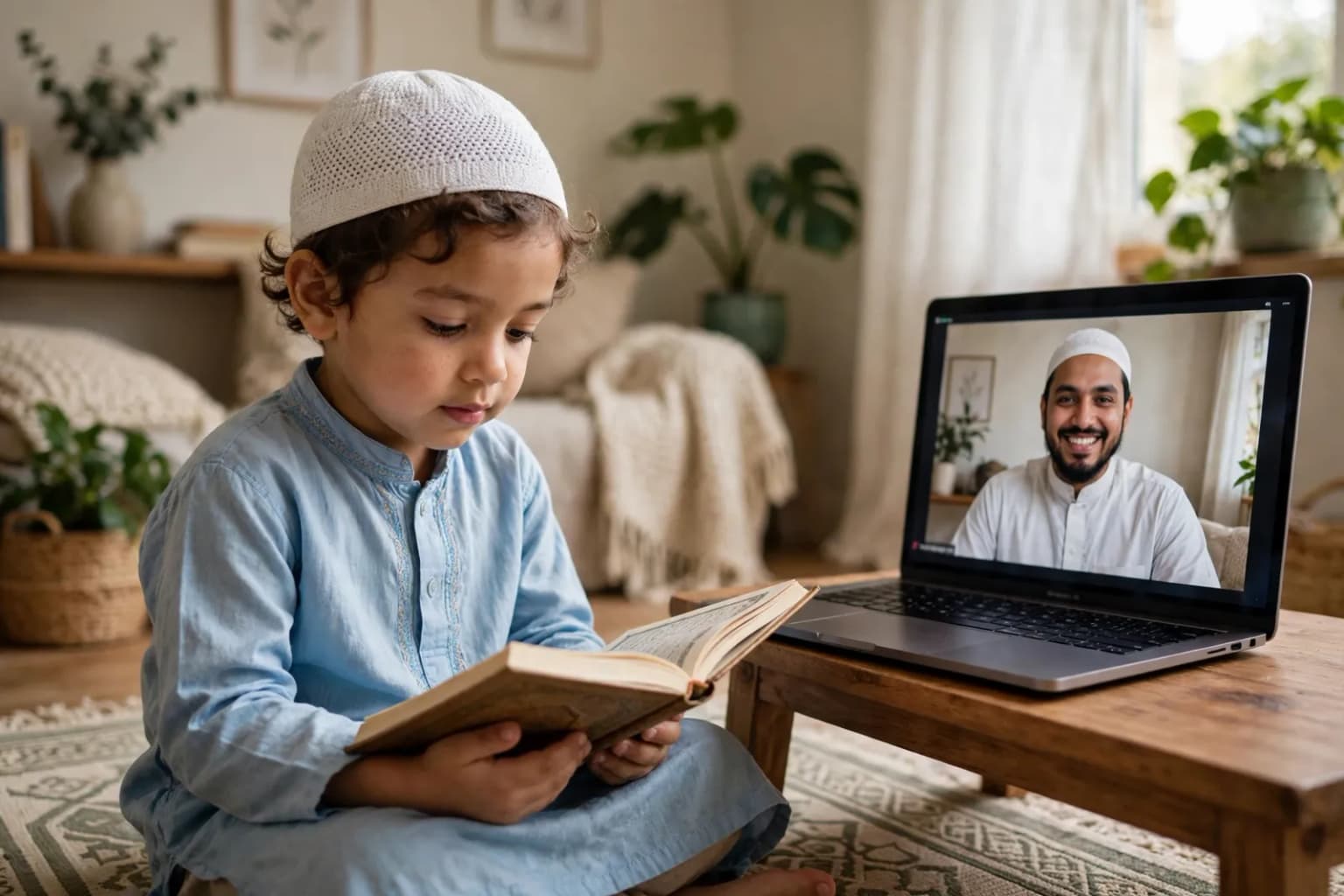
- Learn one word a day together. Pick a word from the surah your child is memorising and use it at dinner.
- Ask "what does it mean?" after they recite. Not as a test; just curiosity.
- Use a word-by-word translation for the surahs they know. Reading the Arabic and the English side by side builds links.
- Keep it short. Ten minutes a day beats an hour on Sunday.
Learning Quranic Arabic with us
Our Arabic Language Course teaches Quranic Arabic one-to-one, starting from the words your child already recites and building up vocabulary and grammar step by step. For younger children still learning the letters, our Arabic classes for kids start from the alphabet. Lessons are live with a male or female teacher you choose. You can book 3 free trial classes, no card needed, and the teacher will check your child's reading and suggest where to start.