

The short answer: for most families in Sweden, the easiest plan is two or three short Quran classes a week at a fixed time in Swedish time, booked soon after your child gets home from school or fritids and before dinner. In winter, when Maghrib can come in the middle of the afternoon, keep the class at the same clock time rather than chasing prayer times. Keep the same slots through höstlov, sportlov and the other lov weeks where you can, and use the long sommarlov to add a class or move to the morning.
This guide is for Muslim parents anywhere in Sweden, whether you live in Stockholm, Gothenburg, Malmö, Uppsala, Örebro or a smaller town where there is no mosque class nearby, or the one that exists does not fit your week.
A note on language first
Our teachers teach in English, with Arabic for the recitation itself. Many children in Sweden are comfortable in English, especially from the middle years of school, and the youngest children mostly need the teacher's voice, the letters and a lot of repetition rather than long explanations. If your child speaks only Swedish or another home language, tell us before the trial, and the teacher will give you an honest view of whether English instruction will work for them. The free trial classes are the easiest way to find out.
Working around school and fritids

The Swedish school day for younger children often finishes in the early afternoon, and many then stay at fritids until a parent collects them. Older children usually finish later, and their afternoons fill with sport, music and homework. That gives most families one natural window: the hour after everyone is home and has had a snack, and before the evening meal.
- Book the class around collection time. If you pick your child up from fritids at around 4:30pm, a class at 5:00pm or 5:15pm gives them time to eat something and settle.
- Do not let it slide to bedtime. A young child who reads at 7:30pm after a full day usually struggles. An earlier, shorter class is better than a late one.
- Use the weekend for one slot. A Saturday or Sunday morning class is often the calmest lesson of the week, and it breaks up the gap between weekday classes.
Suggested class times by age
These are starting points, not rules. The right time is the one your child can keep week after week.
| Age group | Typical afternoon | Slots that often work (Swedish time) |
|---|---|---|
| Förskola and förskoleklass (4–6) | Home or at fritids by mid-afternoon | A short class around 4:30pm to 5:30pm, or weekend mornings |
| Lågstadiet (7–9) | Fritids until collection | 5:00pm to 6:00pm on school days, plus one weekend slot |
| Mellanstadiet (10–12) | Sport and clubs after school | Early evening after training, or weekend mornings |
| Högstadiet and gymnasiet (13+) | Longer days, more homework | A fixed evening slot or weekends |
Our guide to the best time for a child's Quran class has more ideas by age and type of school day.
Dark winters, light summers and prayer times
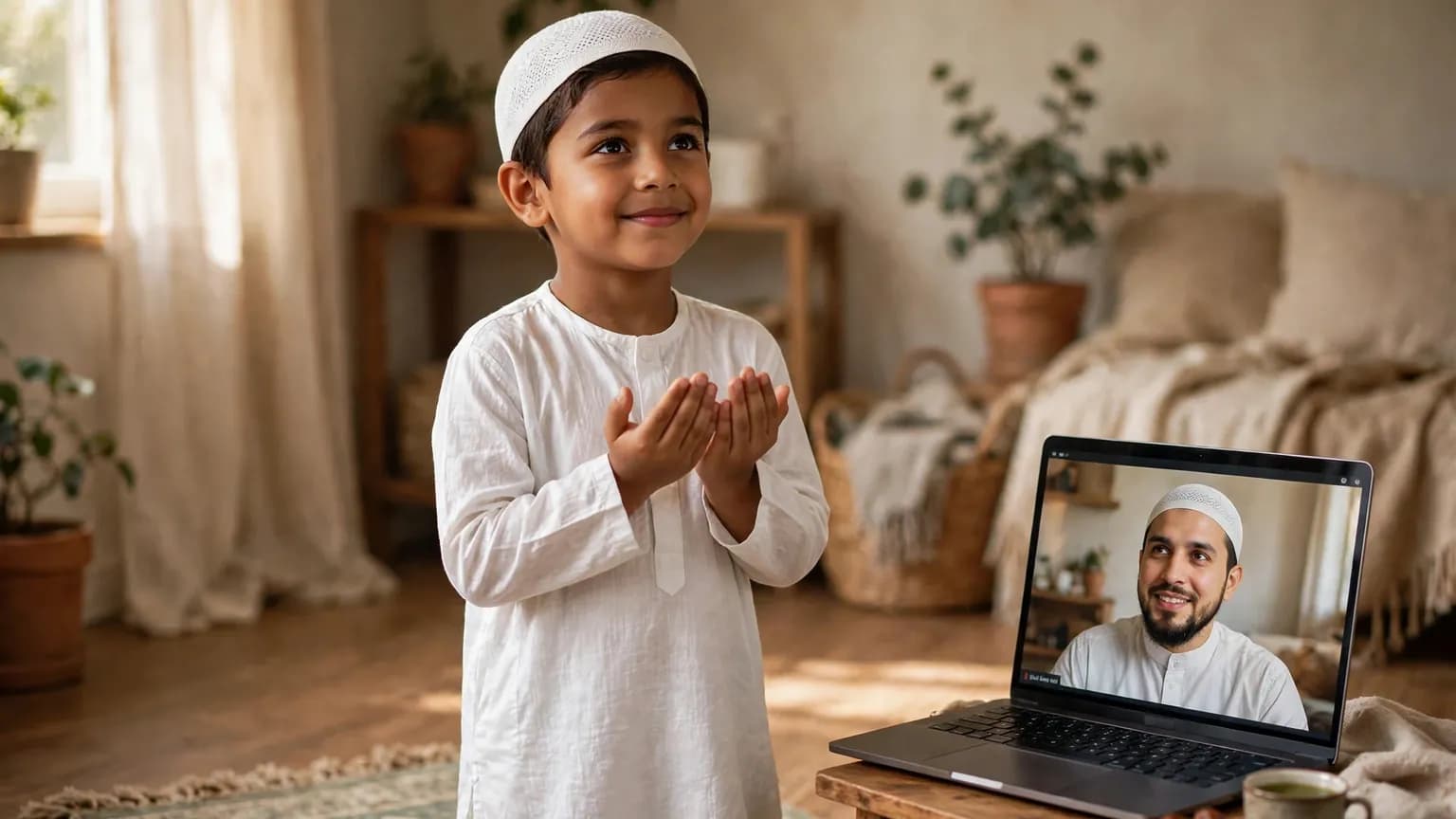
Sweden's daylight changes more than almost anywhere else our families live. In midwinter, Maghrib in Stockholm comes in the middle of the afternoon, and earlier still further north, so both Maghrib and Isha can fall before a child is even home from school. In midsummer it is the other way round: Isha can come very late at night, and in the far north the evening twilight barely ends.
That is a good reason to tie the Quran class to the family's clock rather than to a prayer. A class at 5:15pm every Tuesday and Thursday is easy to remember in December and in June. If you like linking Quran to salah, a short reading after a prayer the family already prays together at home works well alongside the class, without moving the class itself.
Dark afternoons also make children sleepy earlier. If your child is flagging in November and December, try moving the class 30 minutes earlier rather than adding more. When the clocks change in spring and autumn, classes stay at the same Swedish time. Our guide on keeping class times right when the clocks change explains how that works.
Höstlov, jullov, sportlov, påsklov and sommarlov
Swedish children have several short breaks through the year: höstlov in the autumn, jullov over Christmas and New Year, sportlov in late winter, and påsklov in the spring, then the long sommarlov. Sportlov and some other breaks fall in different weeks depending on your kommun, so cousins in another city may be off at a different time.
Online classes do not have to stop when school does. Many families keep the same slots through the short breaks, because nothing then has to be restarted afterwards. If you are away skiing or visiting family, tell the teacher your local time there and the classes can follow you. Over sommarlov, some children add a class or two and move to a morning slot, when they are fresh. Our guide to Quran classes in the school holidays covers the options in more detail.
Ramadan in Sweden

For the next few years Ramadan falls in winter, so fasting days in Sweden are much shorter than during the summer Ramadans many families remember. Iftar comes in the late afternoon, which can clash with an after-school class. Many families move the class to after iftar or to the weekend for the month. Let the teacher know your plan a week or two before Ramadan starts, and the slot can be changed for those weeks only.
Supporting your child at home
You do not need to read Arabic yourself to help. Sitting beside a young child during class, asking them to read their new lesson to you at home, and praising effort all make a big difference. Five to ten minutes of practice on the days without a class is plenty. Beginners usually start with Noorani Qaida, which our teachers prefer because it builds the letters and sounds step by step. If you are learning alongside your child, our guide on helping your child with the Quran if you can't read Arabic has simple ideas.
How it works at Online Quran Lessons
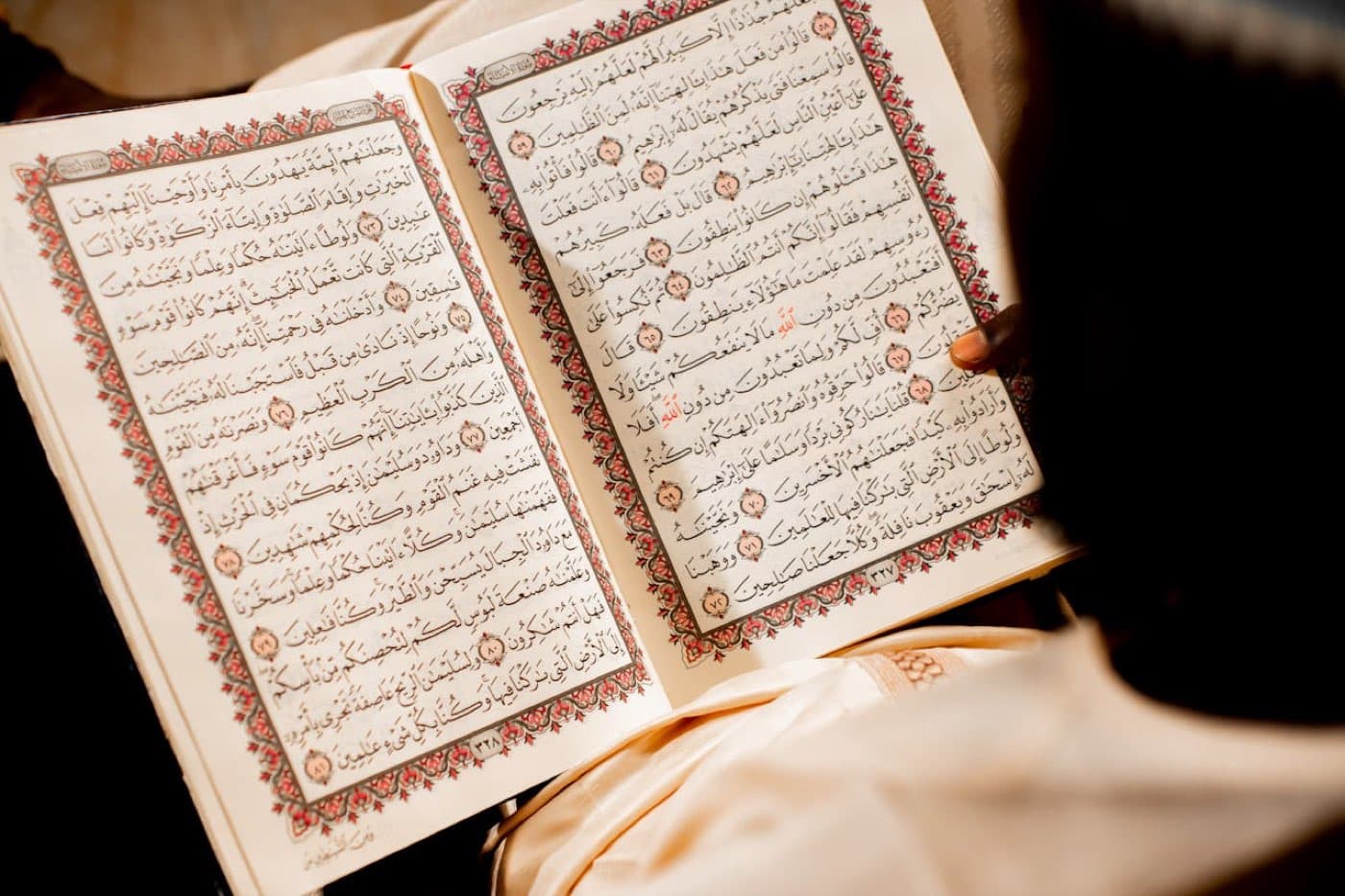
Classes run 24 hours a day, 7 days a week, and you choose your slots in Swedish time. Every class is live, one-to-one and 30 minutes long, with the same teacher every week. You can choose a male or female teacher at the same fee, sit in on any class, and ask for lessons to be recorded. Classes are supervised for teaching quality.
Families in Sweden are currently billed in euro: 2 classes a week cost €36 a month, 3 classes €45, 4 classes €50 and 5 classes €55. The pricing page always shows the current fees. You can read more on our online Quran classes in Sweden page.
Getting started
Write out your family's week, including fritids pick-up and sport, then choose two or three calm slots and keep them fixed through the winter. See how our online Quran classes for kids work, and when you are ready, book 3 free trial classes. No card is needed, and you choose the time in Swedish time from the very first class.
Frequently asked questions
What is the best time for Quran classes for children in Sweden?
Are the Quran lessons taught in Swedish?
Are classes in Swedish time?
How much do online Quran classes cost in Sweden?
Should we stop classes during sportlov or sommarlov?
Can my daughter have a female teacher?
Keep reading
- For ParentsQuran Classes for Kids in Italy: Tempo Pieno, Saturday School and the Long Summer Break
- For ParentsQuran Classes for Kids in the Netherlands: Wednesday Afternoons, Moskee Classes and Holidays
 For ParentsWho Teaches Your Child? Our Quran Teachers, Their Qualifications and the Checks Behind Them