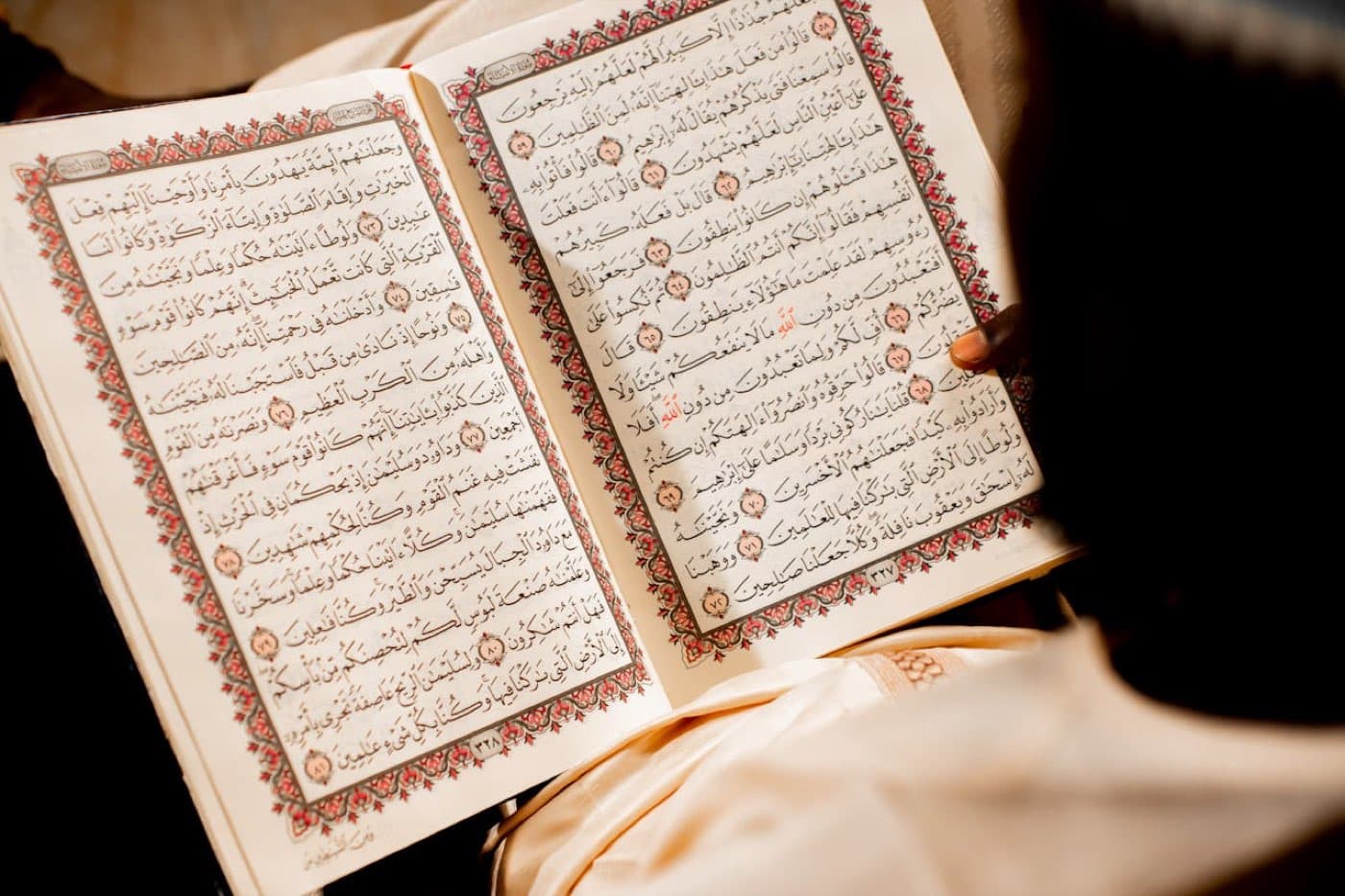
The short answer: for most children in Europe, a live one-to-one online Quran class of 30 minutes, two or three times a week, at a fixed time in your own time zone, works best. Before you choose an academy, settle the language question first — most online Quran teachers explain in English, Urdu or Arabic, not in German, French or Dutch. Expect to pay roughly €35–€50 a month for two to four one-to-one classes a week, and always ask for free trial lessons before paying.
This guide is for Muslim parents in Germany, France, the Netherlands, Belgium, Austria, Switzerland, Scandinavia, Spain, Italy, Ireland and the rest of Europe who want their children to read the Quran properly but cannot find a regular class nearby.
Why online classes suit so many European families
In much of Europe, Muslim families live far from a mosque that runs regular children's Quran classes. Where classes exist, they are often large weekend groups, sometimes taught in a language the child does not speak at home. A child might read aloud for only a few minutes in a two-hour session.
In a one-to-one online class, the child reads for most of the lesson and the teacher hears every letter. Mistakes are corrected straight away, before they become habits. There is no travel, the slot is the same every week, and parents can watch from the same room.
Step 1: settle the language question
This is the question that matters most in Europe, and many academies gloss over it. Reading the Quran itself is learned in Arabic sounds, but the teacher still has to explain, encourage and correct in a language the child understands.
- If your child is comfortable in English — at an international or bilingual school, or English is spoken at home — an English-speaking teacher works well.
- If your family speaks Urdu, Hindi or Punjabi, a teacher who can explain in Urdu is often the most natural fit, especially for younger children and grandparents.
- If your child speaks only German, French, Dutch or another local language, look specifically for a teacher who teaches in that language, or test carefully with a free trial first.
At Online Quran Lessons our teachers teach in English, with Urdu on request. We do not teach in German, French or Dutch, and we say so before you book. If you are unsure, the first free class will show you quickly whether it works for your child.
Step 2: choose a time that fits the European school day
School timetables differ a lot across Europe, and the best Quran slot follows them:
| Country | What the school week usually looks like | Slots that tend to work |
|---|---|---|
| Germany, Austria | Many primary schools finish in the early afternoon | Mid-afternoon, before dinner |
| France, Belgium | Wednesday afternoon is often free for primary children | Wednesday afternoon, plus one weekday evening |
| Netherlands | Many primary schools have a short Wednesday | Wednesday afternoon or after school |
| Sweden, Norway, Denmark, Finland | Long, dark winter evenings; early dinners | Straight after school, early evening |
| Spain, Italy, Portugal | Later evenings and later dinners | Early evening, or weekend mornings |
| Ireland | School ends mid-afternoon | Late afternoon or early evening |
Treat these as starting points and check your own school's hours. The rule that matters is the same everywhere: pick a fixed clock time, not "after Maghrib". In northern Europe Maghrib can fall after 9pm in summer and before 4pm in winter, so a class tied to prayer time moves all year.
Step 3: watch out for the clock changes

Most of Europe moves its clocks on the last Sunday of March and the last Sunday of October. Many online teachers live in countries that do not change their clocks at all, so the gap between your time and theirs shifts twice a year — and a class can suddenly arrive an hour early or late.
Book the class in your own local time and ask the academy to confirm it will not move when the clocks change. With Online Quran Lessons, your slot is fixed in your time zone all year, whether you are on Western, Central or Eastern European time.
Step 4: compare fees in euro
One-to-one online Quran classes in Europe typically cost somewhere between €4 and €8 for a 30-minute lesson. Our own fees are €36 a month for 8 classes (2 classes a week), €45 for 12 (3 classes a week) and €50 for 16 (4 classes a week).
Families outside the eurozone — in Sweden, Norway, Denmark, Switzerland or Poland — usually pay in euro too, and the card or PayPal provider converts the amount. When you compare academies, check:
- Is there a registration fee or a minimum contract?
- Is the price per child, and is there a discount for siblings?
- What happens to a missed class — is it made up or lost?
- Is there a refund if the first month does not work out?
Step 5: check the teacher and the safeguards
Whichever academy you choose, ask:
- Qualifications. Is the teacher a Hafiz or Hafiza, or an Aalim or Aalima? Do they hold an Ijazah?
- Male or female teacher. Many families want a female teacher for daughters. Check that you can choose, and that it costs the same.
- Parents present. Can you sit in on any lesson without notice? For young children you should be able to.
- Changing teacher. If the match does not work, can you change free of charge?
Our guide to choosing an online Quran teacher for your child goes into more detail, and are online Quran classes safe for children? covers safeguarding.
Step 6: start at the right level
Complete beginners usually start with Noorani Qaida, learning each Arabic letter and its sound before moving on to the Quran. Children who already read can work on Tajweed, and some go on to memorisation. A good teacher will listen to your child read in the first lesson and suggest where to start.
Ramadan and long summer days

In the next few years Ramadan falls in winter in Europe (roughly January to March), when fasts are short and evenings are early, so classes are easy to keep. Over the summer, the long days in northern Europe make evenings late; move the class to the morning or early afternoon during school holidays rather than stopping altogether.
Next step
Families in every European country can see country-specific class times and fees on our Europe page, including Germany, France, the Netherlands and Belgium. When you are ready, book 3 free trial classes — no card needed, and you can sit in on every lesson.