
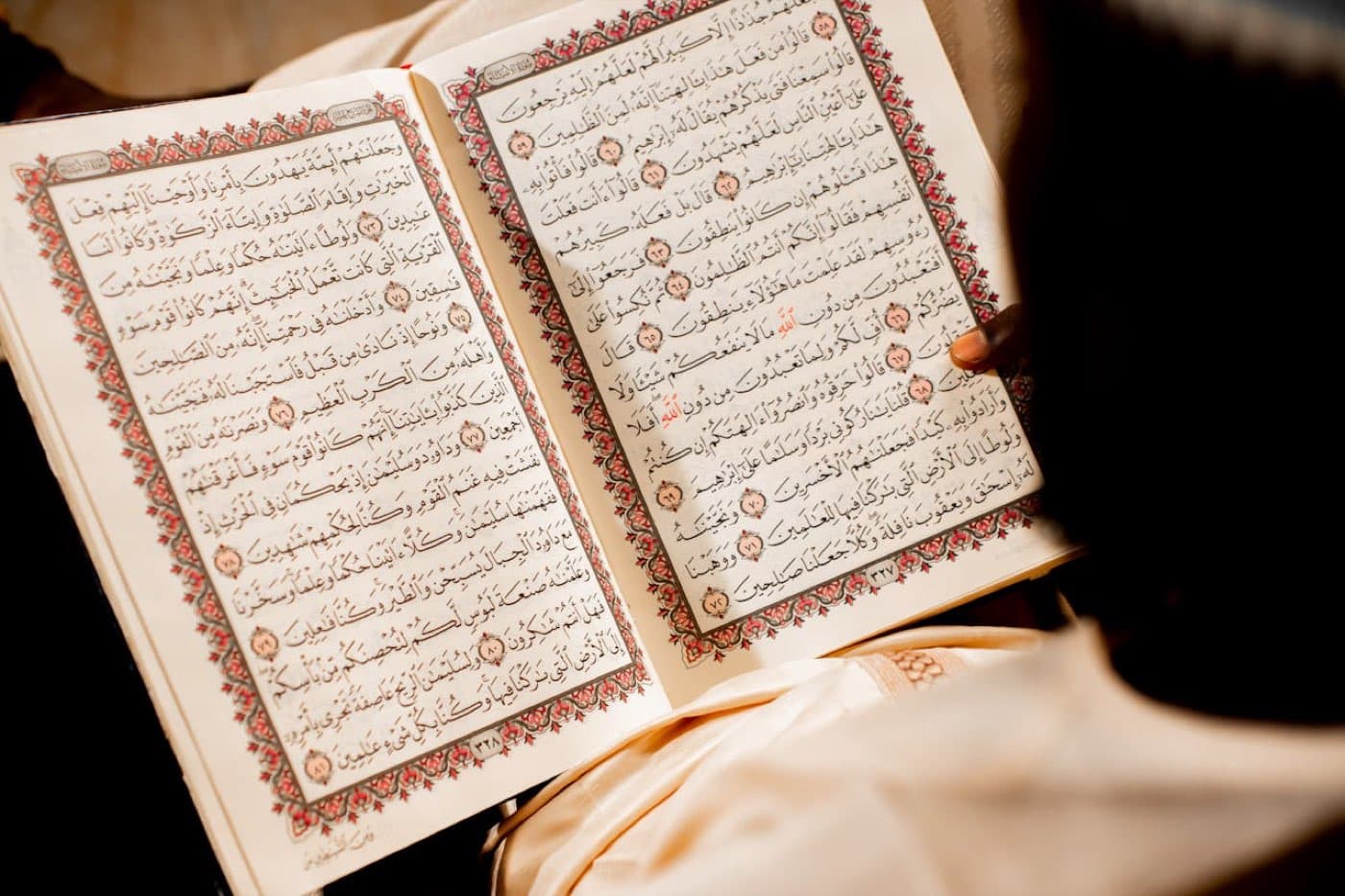
The short answer: transliteration is fine as a short-term bridge — for a young child learning their first duas, or an adult who wants to start praying this week. It is not a way to learn to read the Quran. English letters cannot show at least eight Arabic sounds, or how long to hold a vowel, so people who rely on it for years often recite with mistakes they cannot hear. Use it for weeks, not years, and start learning the Arabic letters alongside it.
What transliteration is
Transliteration writes Arabic words in English letters, such as Bismillāhir-raḥmānir-raḥīm. It is found in prayer books, dua cards, apps and at the bottom of many websites. In South Asian families you may also see the Quran written in Urdu-style "Roman" spelling, which uses different conventions again.
When it helps

- Young children learning duas by ear. A parent who cannot read Arabic can use transliteration to remember the words while the child listens and repeats.
- New Muslims who want to pray now. It lets someone start saying Al-Fatiha and the prayer phrases in their first days, while they learn properly.
- Adults restarting after many years. It can jog the memory of words learned as a child.
- A reminder, not a source. Next to the Arabic, it helps a beginner find their place.
What it cannot show
Arabic has sounds English does not. Different books also spell them differently, so the same word can look three ways in three books.
| Arabic letter | What transliteration often writes | The problem |
|---|---|---|
| ع (ʿayn) | ' or nothing | Usually dropped completely, so naʿbudu becomes "nabudu" |
| ح (ḥā) | h | Read like the soft English h (ه), which is a different letter |
| خ (khā) | kh | Often read as k |
| ق (qāf) | q | Often read as k (ك) |
| ص, ض, ط, ظ | s, d, t, z | The heavy, full-mouth versions sound like the light ones |
| غ (ghayn) | gh | Often read as g |
| Long vowels (madd) | ā, ī, ū — or nothing | Many transliterations leave out the lines, so you cannot tell how long to hold a vowel |
Some of these change the meaning of a word. Others make the recitation inaccurate even when the meaning survives. Either way, the reader usually cannot tell, because the page looks right to them.
The real risk: habits that last decades

The biggest problem is not one wrong word. It is that someone who learns from transliteration for years builds a habit of saying the sounds the English way. Unlearning that as an adult is much harder than learning correctly as a beginner. Many adults who come to Tajweed classes spend their first months fixing exactly these sounds.
How to move from transliteration to Arabic
Reading Arabic is more achievable than most people expect. The alphabet has 28 letters, and the step-by-step method most teachers use is Noorani Qaida.
- Children: with two or three short classes a week, most children finish Noorani Qaida in about 6–12 months and can then read the Quran itself, slowly at first. Start with the Arabic alphabet for kids.
- Adults: adults usually move faster than children because they can practise on their own between classes. Our guide to learning the Quran as an adult beginner has a full plan.
- Keep the transliteration for now, but put it second. Read the Arabic first and look at the English letters only when you are stuck. Over a few weeks you will need them less and less.
- Get your sounds checked. A teacher who hears you read will catch the letters transliteration hides, before they become habits.
Start reading the real thing
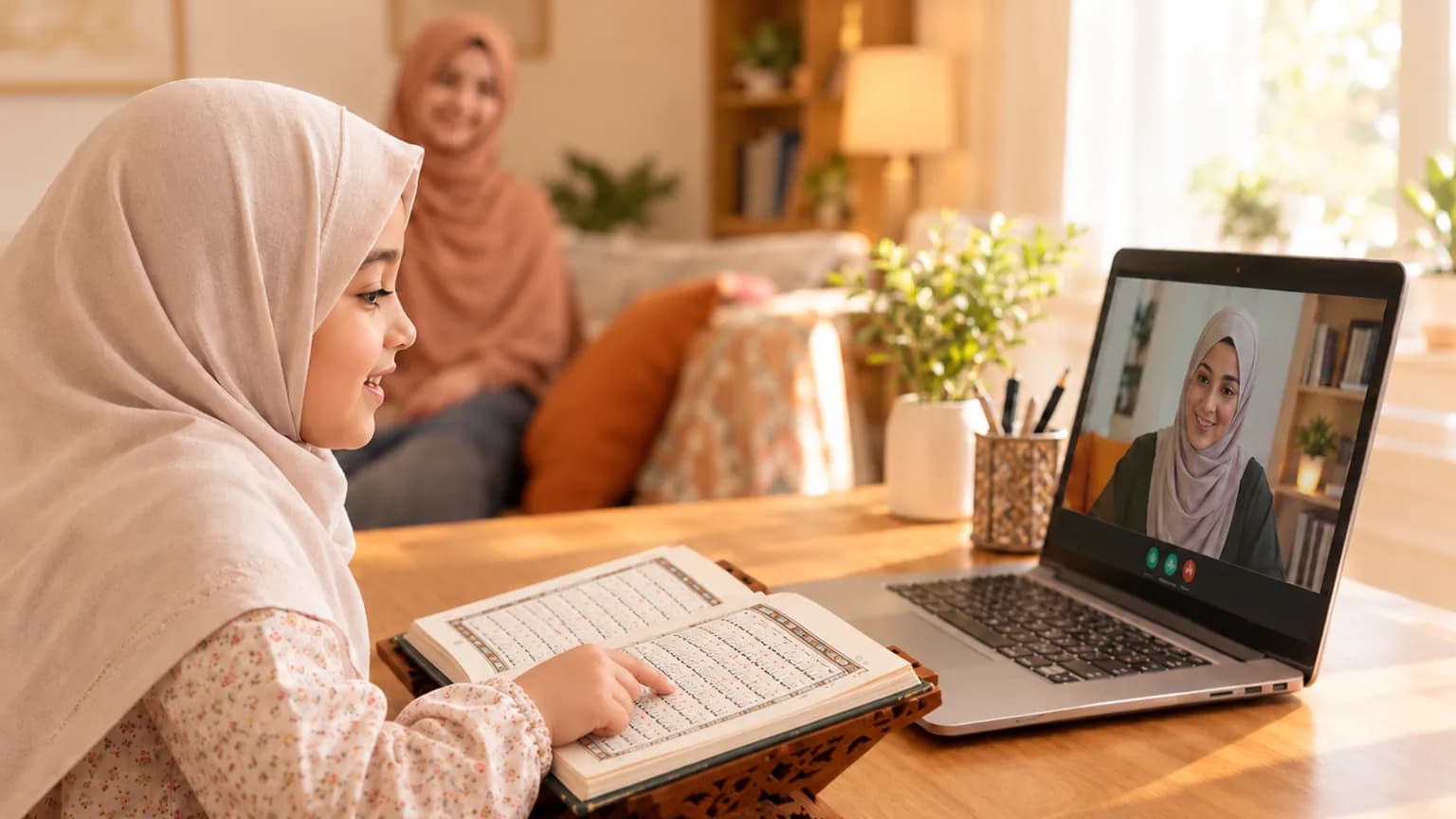
Our live one-to-one classes take children from age 4 and adults from the first letter, with a male or female teacher you choose, 24 hours a day, 7 days a week, in your own time zone. Book 3 free trial classes — no card needed — and the teacher will start from exactly where you are, even if that is transliteration today.