

The short answer: most Canadian families do best with a 30-minute one-to-one Quran class two or three times a week, booked at a fixed local clock time rather than "after Maghrib", because sunset in Canada swings from around half past four in December to after nine in June. A slot shortly after school, kept through winter break and March break, is the easiest routine for most primary-age children to stick with.
This guide is for parents in Toronto, Mississauga, Ottawa, Montreal, Calgary, Edmonton, Vancouver, Winnipeg, Halifax and everywhere else in Canada who want Quran learning to fit the Canadian year instead of fighting it.
Why Canada needs its own plan
Three things make Quran scheduling in Canada a little different from many other countries:
- Huge swings in daylight. In midwinter, Maghrib in many Canadian cities falls before five o'clock. In early summer it can fall after nine. A class tied to prayer time moves by several hours across the year.
- Busy weekday evenings. Hockey, skating, swimming, soccer, music and tutoring often fill the hours after school, and many rinks book practices early in the morning or late in the evening.
- Six time zones. From Newfoundland to British Columbia there is a four-and-a-half-hour spread, and most of Saskatchewan does not change its clocks for daylight saving.
None of these are problems with a short online class at home, as long as the time is chosen with them in mind.
Pick a clock time, not a prayer time

Many parents like Quran to sit next to Maghrib, and in spring that works well. The trouble comes at the ends of the year. In December, "after Maghrib" can mean 4:45pm, before dinner and just after the school bus. In June, it can mean 9:15pm, well past a young child's bedtime.
A fixed time such as 5:00pm or 5:30pm on school days avoids this. Your child knows when class is, the teacher knows, and the routine does not shift every few weeks. You can still keep a short family recitation after Maghrib as a separate habit.
Daylight saving and time zones
Most of Canada moves its clocks forward on the second Sunday of March and back on the first Sunday of November. If your child's teacher is in another country, the gap between your time and theirs changes on those weekends, which is when many families quietly lose a lesson.
The fix is simple: book the class in your own local time and confirm it stays put. At Online Quran Lessons you choose the time in your own time zone and it stays the same every week, so a 5pm class in Edmonton is still 5pm after the clocks change. If you live in Saskatchewan, mention it when booking, since your clocks do not move when most of the country's do.
Slots that work on a Canadian school day

Shortly after school
Most elementary schools finish somewhere around three o'clock. Home, a snack, a little play, then class at 4:00 or 4:30. Children are still in learning mode and the evening stays free for dinner, homework and activities. This suits most beginners on Noorani Qaida.
Early evening, before activities
If hockey or swimming starts at 6:30, a 5:15 class fits neatly between dinner prep and the drive to the rink. Thirty minutes is short enough to protect even on busy nights.
Before school
Some older children, especially those memorising, read best early. A 7:00am class before the school run leaves afternoons free. Because classes run 24/7, early slots are available in every Canadian time zone.
Weekends as an extra
Many children already attend a Sunday Islamic school or weekend madrasa. A one-to-one class works well alongside it, but a single weekend lesson on its own is usually too little for a beginner, because a week is long enough to forget most of what was learned. Our guide on how many Quran classes a week a child needs goes into this in more detail.
Sample weekly timetables
| Child | Classes a week | When |
|---|---|---|
| Age 5, starting Noorani Qaida | 2 | Tuesday and Thursday, 4:30pm |
| Age 8, reading with Tajweed, evening hockey | 3 | Monday, Wednesday, Friday, 5:15pm |
| Age 10, Sunday Islamic school too | 2 | Tuesday and Thursday, 5:00pm |
| Age 12, memorising | 5 | Monday to Friday, 7:00am |
| Two siblings | 2 or 3 each | Back-to-back on the same evenings |
Use these as starting points. The right timetable is the one your child is still keeping in February, when the novelty has worn off and the days are short.
Winter break, March break and summer
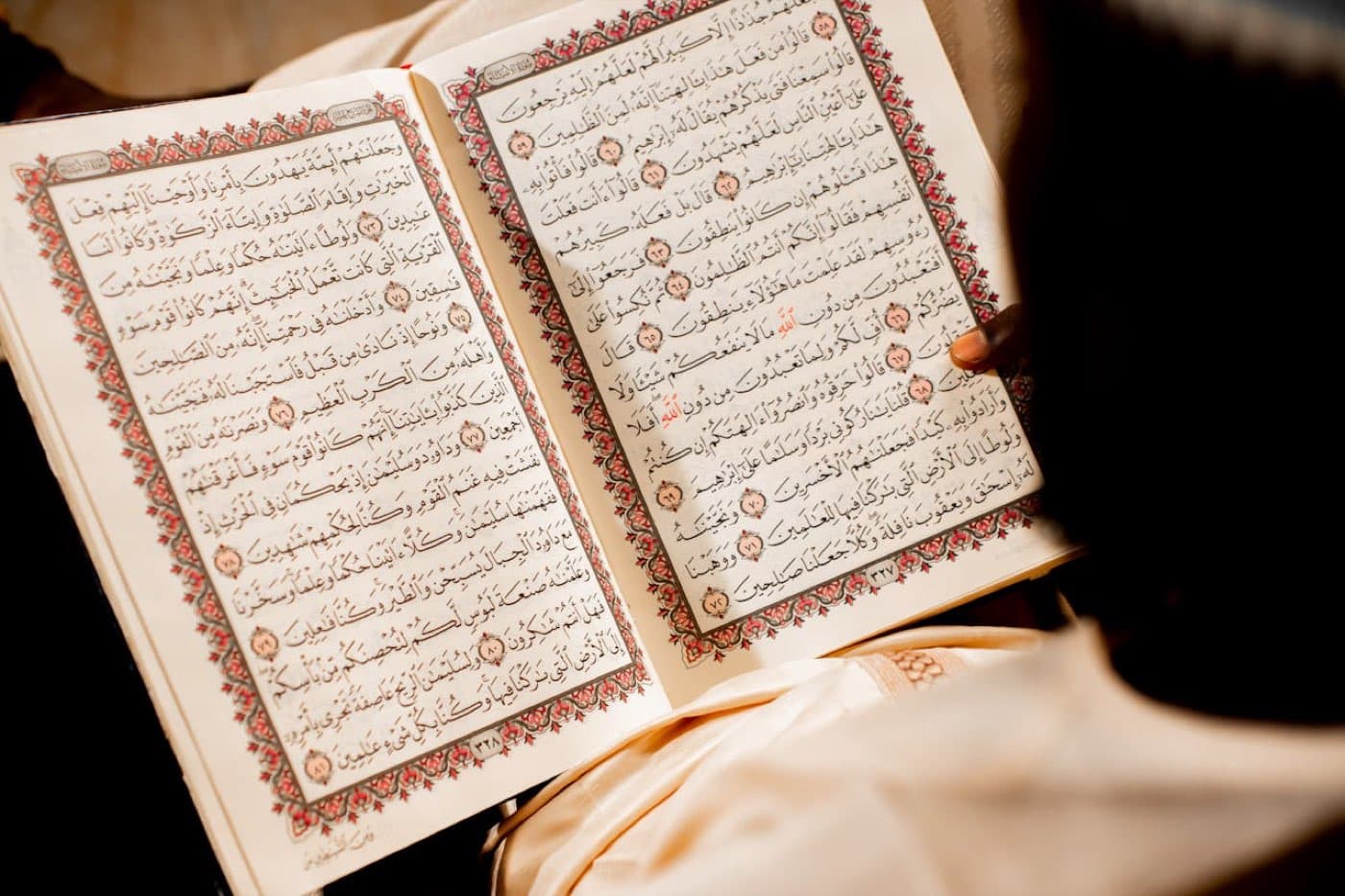
Canadian school breaks are where many children either move ahead or slip back.
- Winter break. Two weeks off school does not need to mean two weeks off Quran. A mid-morning class during the holidays often feels easier than one after a full school day.
- March break. One week is short enough that keeping the usual slot costs nothing and saves a slow restart.
- Summer. July and August are long. Some families add one class a week over the summer to finish a Qaida section or memorise a few short surahs, then drop back in September.
- Travelling? Online classes work from a cottage, a grandparent's home or overseas, as long as there is a stable connection and a quiet corner. Just tell the teacher if your time zone changes.
Ramadan in the Canadian winter
Over the next few years Ramadan falls in the winter months in Canada. That brings shorter fasts and early iftars, often around suppertime on a school day, which is a real advantage for families with children.
It also means the usual after-school slot may land right on iftar preparation. Many families move the class slightly earlier, or to a short slot after iftar for older children, and use the month for revision, listening and short surahs rather than racing through new lessons. Our Ramadan Quran reading plan has ideas for setting realistic goals.
How many classes, and what it costs

Two classes a week is a sensible minimum for young beginners, three suits most children reading with Tajweed, and memorisation usually needs four or five. Every class is live, one-to-one and 30 minutes long, with the same teacher each week, and you can choose a male or female teacher at the same fee.
In Canadian dollars, monthly plans are C$56 for two classes a week, C$70 for three, C$79 for four and C$85 for five. The pricing page always shows the current fees in your own currency.
Making the routine stick
- Put the class on the family calendar next to practices and lessons, so it is treated as just as fixed.
- Sit in sometimes. Parents can join any class, which is the easiest way to see how your child is doing and what to practise. Lessons can also be recorded on request.
- Five minutes on other days. Reading the last page aloud to you between classes makes the next lesson go much better.
- Plan for February. Short, dark days are when motivation dips. A small goal, such as finishing a Qaida lesson before March break, gives your child something to aim for.
- Change the slot before you stop. If a time stops working when activities change, a different slot usually fixes it faster than pausing altogether.
Try a time before you commit

The easiest way to know whether a slot suits your child is to test it in a normal school week. You can read more about our online Quran classes for kids and about Quran classes for families in Canada, then book 3 free trial classes at a time that fits your week. No card is needed, and you can sit in on every trial lesson.