

The short answer: for most children learning to read the Quran, three short one-to-one classes a week is a good balance of steady progress and a manageable routine. Two a week suits very young beginners or packed school weeks, especially if you practise a little at home. Four or five a week suits children working towards fluent reading quickly or doing Hifz. Short and frequent beats long and rare, and consistency matters more than the exact number.
Here is how to decide for your own child.
Why frequency matters more than length
Learning to read the Quran is a skill, like learning an instrument. Little and often works far better than a long session once a week. A child who meets their teacher three times a week for 30 minutes remembers each lesson, gets mistakes corrected before they settle in, and builds a rhythm. A child who has one long class a week tends to forget much of it by the next one, and the first part of every class goes on catching up.
That is why most online Quran classes for children are 30 minutes. It is long enough for revision, new work and a recap, and short enough for a young child to stay focused.
Match the number to the goal

- Noorani Qaida or early reading: two or three classes a week is usually enough. Young beginners often do well starting with two and moving to three once the routine is settled.
- Reading the Quran with Tajweed: three classes a week is a steady pace for most children. Four suits a child who is keen to become fluent sooner.
- Memorizing short surahs alongside reading: three or four a week, so there is time for both new reading and checking memorization.
- Hifz: four or five a week is common, because new lessons, recent memorization and older revision all need to be heard regularly. See whether your child is ready for Hifz before committing to that pace.
- Islamic Studies: one or two a week alongside Quran reading is often plenty, since it is more about understanding and habits than daily drill.
Match the number to your child's age
Age changes what is realistic. A four or five year old may find two classes a week, plus a few minutes of practice with you, is ideal. Most children from about six to twelve manage three or four comfortably. Teenagers can handle more if they are motivated, but their school load also grows, so a realistic plan they keep is better than an ambitious one they drop. For more on starting points by age, see the best age to start Quran classes for kids.
Count the practice at home too
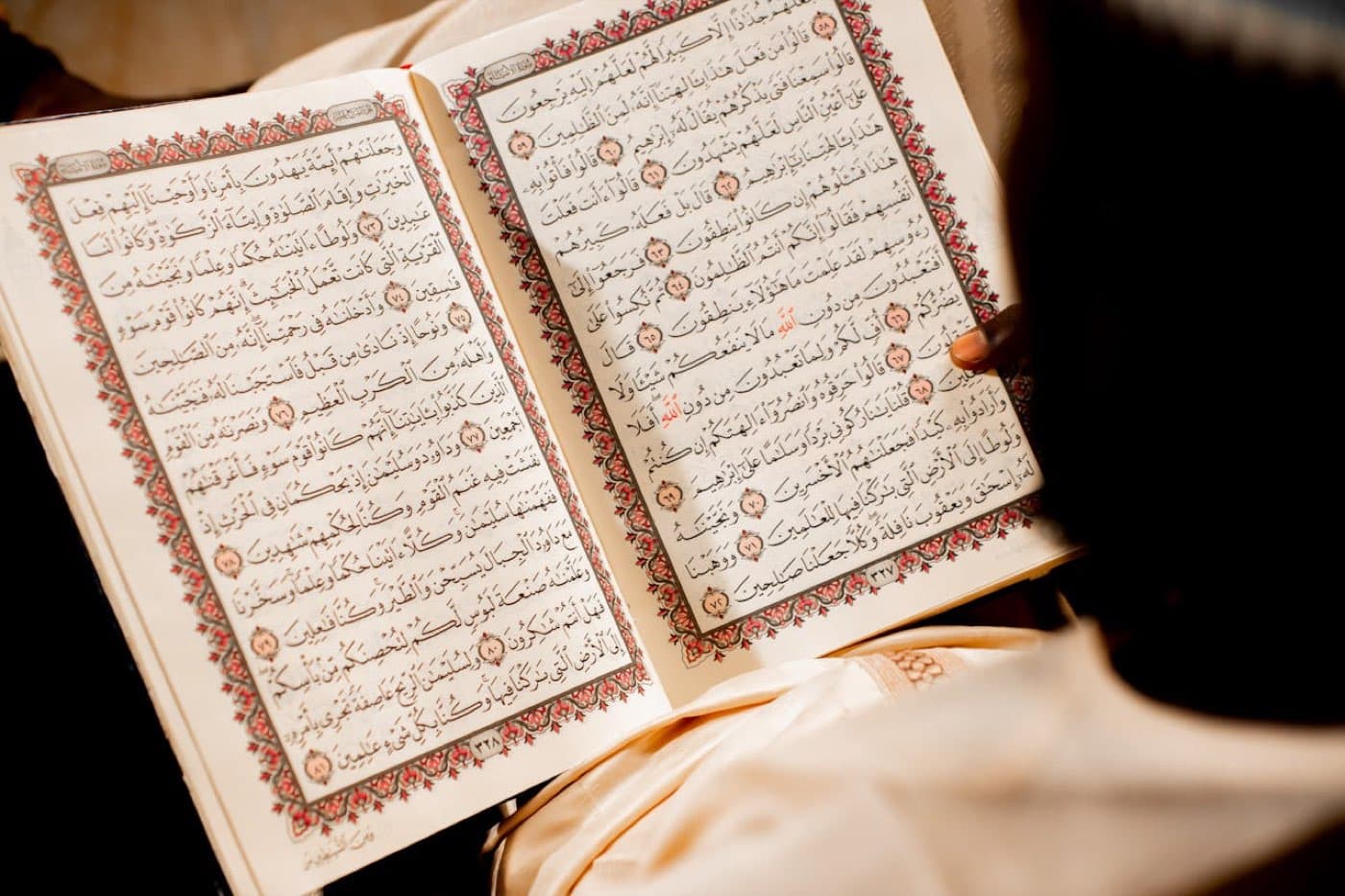
The number of classes is only half the picture. What happens between classes matters just as much. A child with two classes a week and ten minutes of reading with a parent on most other days can progress as well as a child with more classes and no practice at all.
If you know home practice will be hard to fit in, lean towards more classes. If you can reliably sit with your child for a few minutes most days, fewer classes can work well. Our guide on how to revise Quran at home between classes has a simple routine.
Fit it around the school week
The best schedule is the one you can actually keep. Before choosing, look at your week honestly:
- Which days already have clubs, sports or tutoring?
- When is your child fed, rested and not yet winding down for bed?
- Do weekends have space for a class, to take pressure off weekdays?
Spreading classes out, for example Monday, Wednesday and Saturday, usually works better than three days in a row followed by a long gap. For sample after-school timetables, see Quran classes after school.
Signs it is time to change the number

Go up if:
- Your child is keen and finishing lessons easily.
- Progress feels slow and you want to reach a goal, such as reading fluently before Ramadan.
- They are starting Hifz.
Go down, at least for a while, if:
- Your child is regularly tired, upset or refusing class.
- Exams or a busy season at school are making the week too full.
- Classes are being missed so often that the routine has broken down. Fewer classes kept is better than more classes skipped.
Our options
At Online Quran Lessons every class is live, one-to-one and 30 minutes long. Families choose two, three, four or five classes a week, and three a week is the pace we most often suggest for children learning to read. Classes run 24 hours a day, 7 days a week, so you can spread them across the days that suit you, and siblings get a 10% family discount from the second child. You can see every plan on our pricing page and read more about our online Quran classes for kids.
Not sure which to choose?

Start with the free trial and let the teacher suggest a pace after meeting your child. Book 3 free trial classes, no card needed, and you can decide on the number of classes afterwards.