
The short answer: most young children start with 2–3 lines a day, and older children who read well often manage 5–10 lines, sometimes building to half a page or more. But the right amount is the one your child can memorise today and still recite correctly next week. If revision is slipping, the daily amount is too high, whatever the number.
Why there is no single right number
Two children of the same age can memorise very different amounts. It depends on how well they read, how long they have been memorising, how often they have class, how much revision they already carry, and simply how their memory works. A good teacher sets the amount for the child in front of them and adjusts it every few weeks.
The figures below are typical starting points, not targets or promises. Line counts also depend on the mushaf: copies printed with 13 or 15 lines a page have different line lengths, so a "line" is a rough measure.
Typical daily amounts by stage

| Stage | Typical new lesson (sabaq) per day | Notes |
|---|---|---|
| Age 4–6, memorising by listening | 1–2 short verses | Short surahs from Juz Amma; reading lessons continue |
| Age 6–8, just started Hifz | 2–3 lines | Focus on accuracy and building the revision habit |
| Age 8–10, first year of Hifz | 3–5 lines | Increase only when revision is solid |
| Age 10–13, settled in Hifz | 5–10 lines | Some reach half a page with a strong routine |
| 13+, experienced and consistent | Half a page to a page | Usually with daily classes and long home practice |
These are new lines only. Revision comes on top, and in a healthy Hifz week it takes more time than the new lesson.
Sabaq, sabqi and manzil: the real daily load
Every Hifz day has three parts:
- Sabaq: the new lesson for today.
- Sabqi: recent lessons, usually the last few days or the current juz, recited to keep them fresh.
- Manzil: older memorisation, revised in a rotation so nothing is lost.
A child who adds five lines a day for a month has a whole new section to keep alive. That is why the daily amount cannot keep rising for ever: as memorisation grows, more time goes to manzil. Our online Hifz weekly plan shows how a week fits together, and Quran memorisation with revision explains the revision side in more depth.
How the 45-minute Hifz class is used

Our Hifz classes are 45 minutes, live and one-to-one. A typical split looks like this, though the teacher adjusts it every lesson:
- About 10–15 minutes: the child recites today's sabaq, and the teacher corrects it.
- About 10–15 minutes: sabqi, the recent lessons.
- About 15–20 minutes: a portion of manzil, and setting tomorrow's lines.
At home, short practice between classes matters more than long sessions. Ten to twenty minutes a day for a young child, split into two sittings, is often enough.
Signs the daily amount is too much
- Yesterday's lines are shaky when your child recites them today.
- Older surahs are being forgotten or mixed up.
- The child rushes the new lesson to get it over with, and Tajweed slips.
- Practice at home has become a daily argument or ends in tears.
- The teacher keeps having to repeat the same correction.
If you see two or more of these, ask the teacher to cut the new lines and spend a week or two on revision. That is not going backwards. Strong revision is what makes Hifz last. Our guide on why children forget Quran lessons covers the common causes.
Signs your child can take a little more

- New lines are memorised easily and still solid days later.
- Manzil is recited smoothly with few prompts.
- Your child asks for more, or finishes home practice quickly and confidently.
Increase gently: one more line a day for a couple of weeks, then check again.
Why consistency beats big days
Three lines a day, five days a week, is roughly fifteen lines a week, or about a page in many copies. Kept up for a year, with revision, that adds up to a meaningful part of the Quran. A child who does ten lines on Monday and nothing until Friday will usually lose more than they gain. For the long view of how years and pages add up, read how long it takes to memorise the Quran.
How many classes a week?
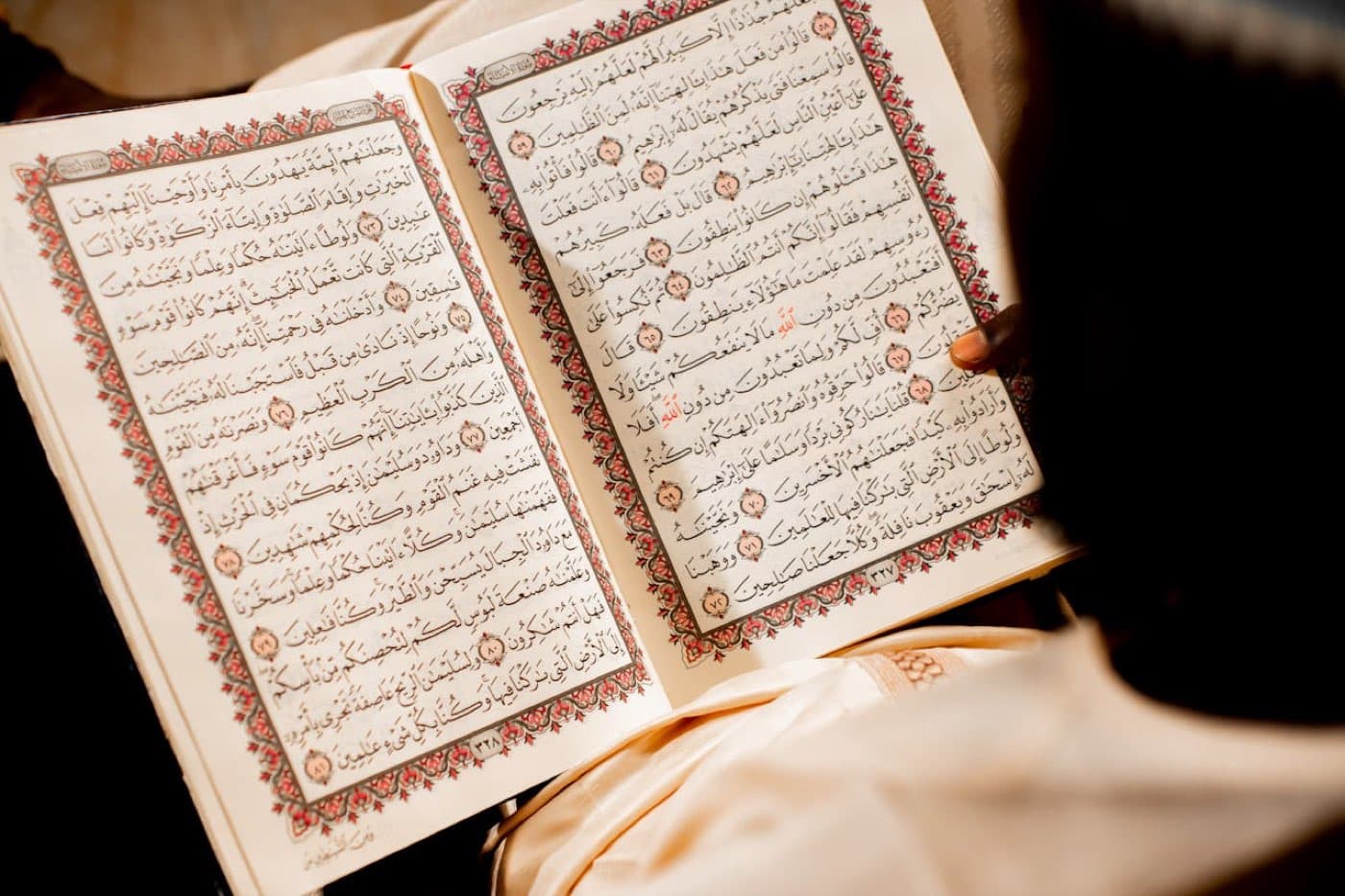
Hifz needs frequent contact with a teacher, because new lessons and revision both need to be heard. Many Hifz families choose four or five classes a week; beginners sometimes start with three. See how many Quran classes a week and our pricing for the options.
Let a teacher set the right amount
In our online Hifz course, a qualified teacher hears your child's sabaq, sabqi and manzil in every 45-minute class and adjusts the daily lines as they go, on the same monthly plans as our 30-minute classes. You can sit in on any lesson. Book 3 free trial classes, no card needed, and the teacher will suggest a starting amount after hearing your child recite.