

The short answer: the "4 Quls" are four short surahs that each begin with the word *Qul* ("Say"): Al-Kafirun (109), Al-Ikhlas (112), Al-Falaq (113) and An-Nas (114). They are among the first surahs children memorise, because they are short, used in prayer, and recited for protection every night.
Transliteration helps a child start, but it cannot show every sound correctly, so practise each surah from the Arabic with a teacher or a good reciter as soon as you can.
1. Surah Al-Kafirun (The Disbelievers), 6 verses
| Transliteration | Meaning |
|---|---|
| Qul yaa ayyuhal kaafiroon | Say: O you who disbelieve, |
| Laa a'budu maa ta'budoon | I do not worship what you worship, |
| Wa laa antum 'aabidoona maa a'bud | and you do not worship what I worship. |
| Wa laa ana 'aabidum maa 'abadtum | I will never worship what you worship, |
| Wa laa antum 'aabidoona maa a'bud | and you will not worship what I worship. |
| Lakum deenukum wa liya deen | You have your religion and I have mine. |
For children: we worship Allah alone, and we stay firm and kind about it.
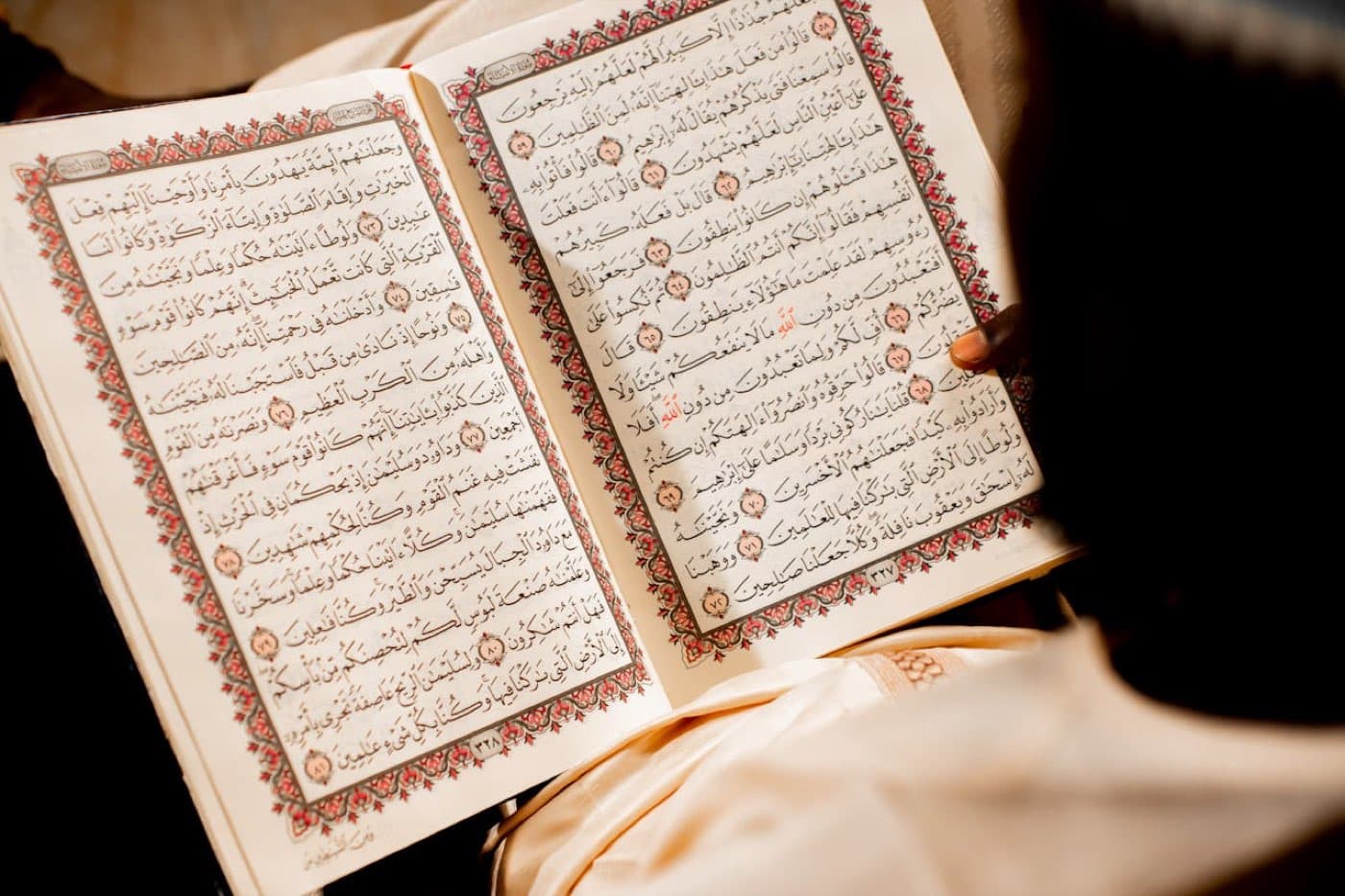
2. Surah Al-Ikhlas (Sincerity), 4 verses
| Transliteration | Meaning |
|---|---|
| Qul huwal laahu ahad | Say: He is Allah, the One. |
| Allahus samad | Allah, the One everyone needs, who needs no one. |
| Lam yalid wa lam yoolad | He has no children and was not born. |
| Wa lam yakul lahoo kufuwan ahad | And there is nothing like Him. |
For children: this surah answers the question "Who is Allah?" In Sahih al-Bukhari, the Prophet ﷺ said it is equal to a third of the Quran.
3. Surah Al-Falaq (The Daybreak), 5 verses
| Transliteration | Meaning |
|---|---|
| Qul a'oodhu bi rabbil falaq | Say: I seek protection with the Lord of the daybreak, |
| Min sharri maa khalaq | from the harm of what He has created, |
| Wa min sharri ghaasiqin idhaa waqab | from the harm of the night when it grows dark, |
| Wa min sharrin naffaathaati fil 'uqad | from the harm of those who blow on knots (in magic), |
| Wa min sharri haasidin idhaa hasad | and from the harm of the jealous when they envy. |
4. Surah An-Nas (Mankind), 6 verses
| Transliteration | Meaning |
|---|---|
| Qul a'oodhu bi rabbin naas | Say: I seek protection with the Lord of people, |
| Malikin naas | the King of people, |
| Ilaahin naas | the God of people, |
| Min sharril waswaasil khannaas | from the harm of the whisperer who slinks away, |
| Alladhee yuwaswisu fee sudoorin naas | who whispers into people's hearts, |
| Minal jinnati wan naas | from among jinn and people. |
For children: Al-Falaq and An-Nas are a shield. When we feel scared or have a bad dream, we say them and ask Allah to protect us.
The bedtime sunnah
Sahih al-Bukhari records that every night, the Prophet ﷺ would cup his hands, recite Al-Ikhlas, Al-Falaq and An-Nas, blow lightly into his hands, and wipe over as much of his body as he could, starting with his head and face, doing this three times. Abu Dawud and At-Tirmidhi also record that he advised reciting Al-Kafirun before sleeping. Doing this together at bedtime is one of the easiest ways to make these surahs part of a child's day.
In what order should a child learn them?

Most teachers start with Al-Ikhlas (the shortest), then An-Nas and Al-Falaq, then Al-Kafirun. All four come after Al-Fatiha. See short surahs for kids to memorise first for the full order.
If you would like a teacher to check your child's recitation every day, our online Hifz classes for kids are one-to-one, and you can book 3 free trial classes.