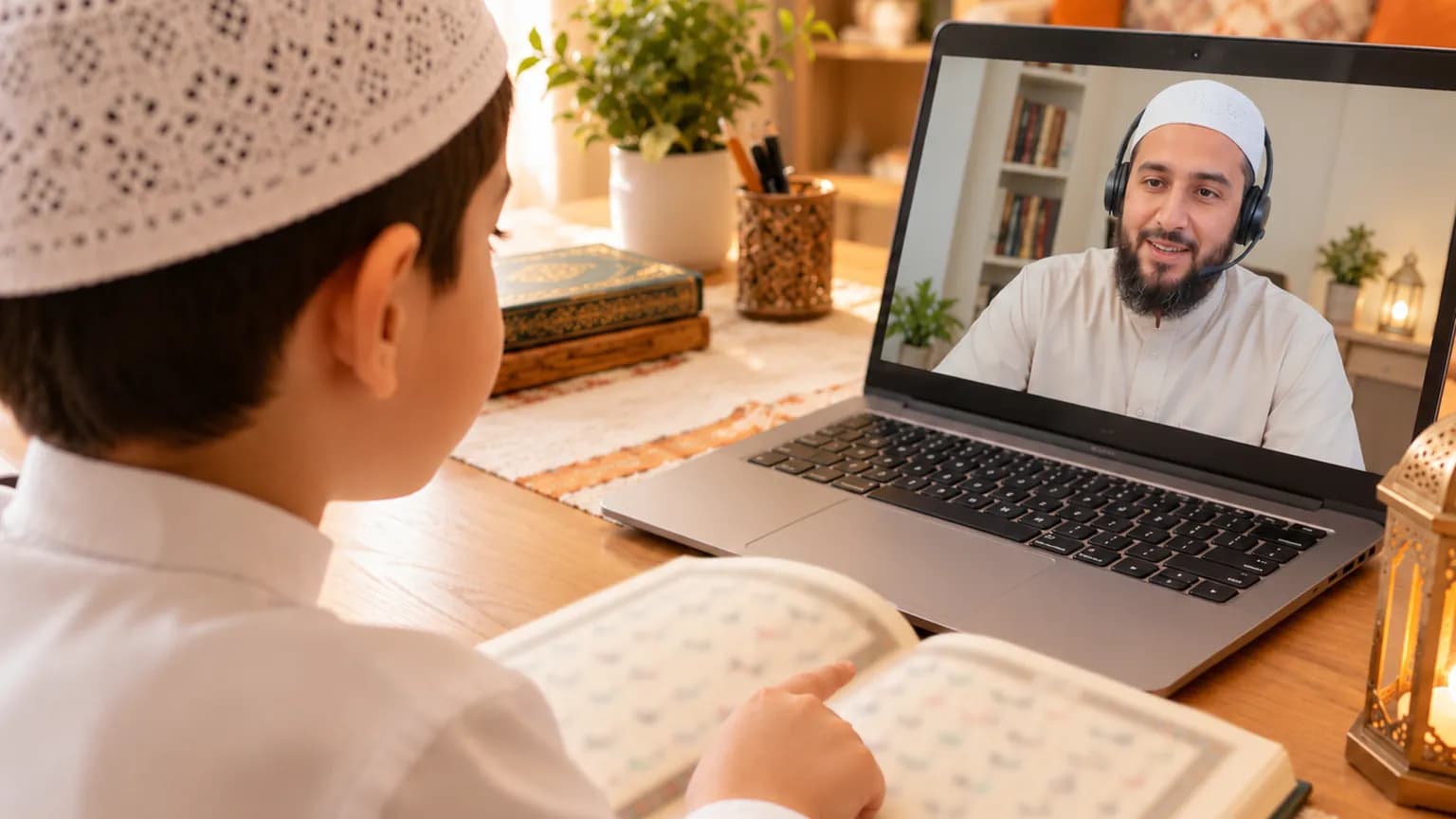
The short answer: you do not have to master the Quran before your children can start. Begin small and together: a few short surahs and duas at home, a simple daily routine, and a patient teacher for the reading itself. Let your children see you learning too, keep your extended family close with kindness, and focus on making the Quran feel warm and familiar rather than rushing towards targets.
Many parents who came to Islam as adults carry a quiet worry: "I am still learning myself. How can I teach my children?" It is a sincere question, and a common one in families across the USA, the UK, Canada, Australia, New Zealand and Europe. The good news is that a child's love for the Quran is built far more by atmosphere and example than by a parent's level of knowledge.
You are not behind, you are at the start
Families raised in Muslim homes often absorbed the Arabic alphabet, short surahs and daily duas without noticing. As a revert parent, you may be meeting all of this for the first time, possibly at the same moment as your child. That can feel uncomfortable, but it is also a gift: you are choosing every habit on purpose, and your children will remember that their parent chose this path and walked it with them.
Try to let go of comparisons. Your neighbour's child may already read fluently, and that is fine. Children move at very different paces, and a steady, happy start matters more than an early one.
Step 1: Start with what you already know
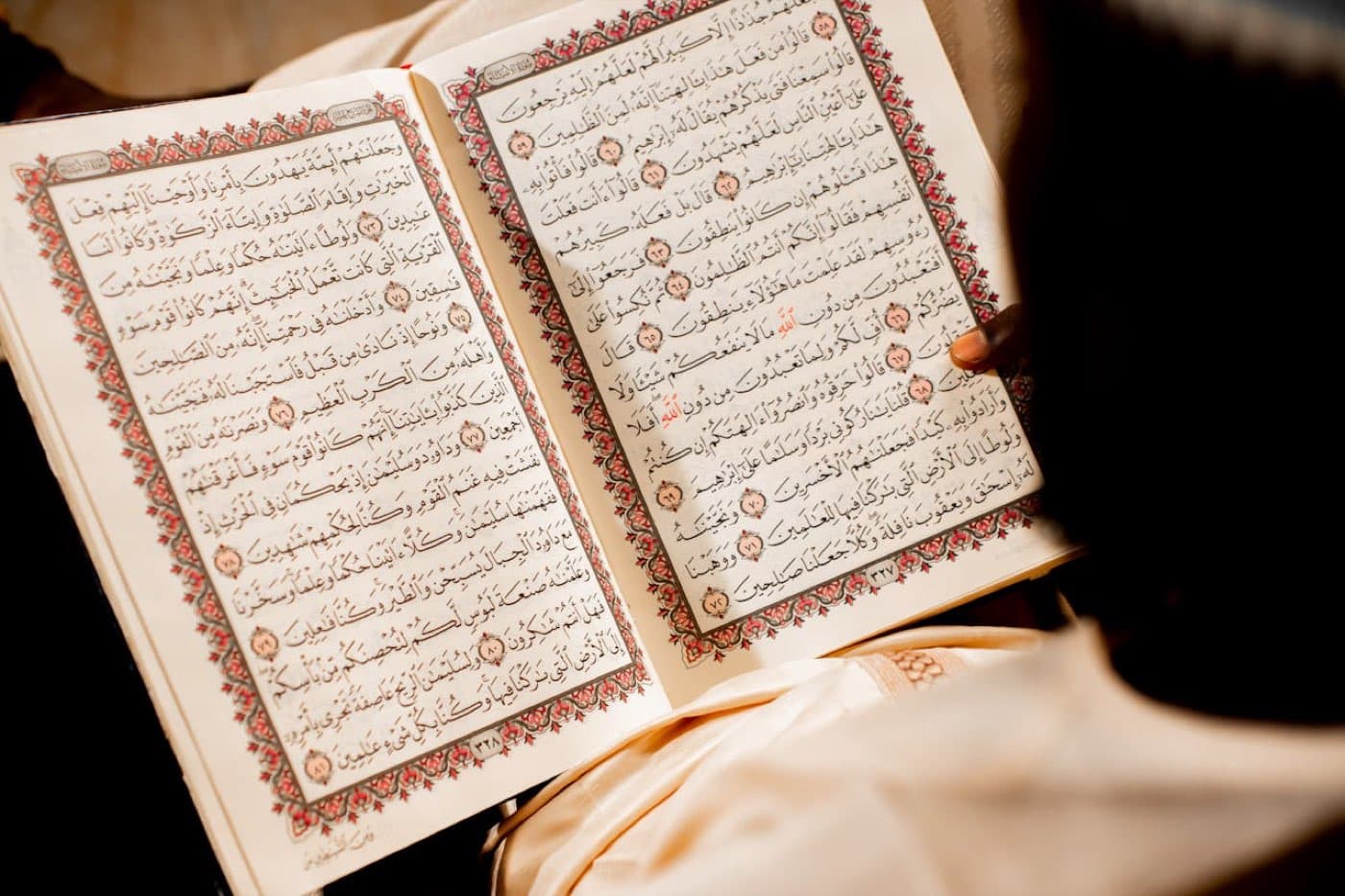
Most revert parents already know a little: Surah Al-Fatiha from salah, Bismillah, a few duas. Start there. Say Bismillah out loud before meals, recite Al-Fatiha together before bed, and say "Alhamdulillah" when something good happens. Children pick these words up remarkably quickly when they hear them every day.
A good order for beginners of any age, parents included, is to start with the shortest surahs at the end of the Quran, such as Al-Ikhlas, Al-Falaq and An-Nas, and add one more only when the last feels easy.
Step 2: Learn the reading properly, side by side
Reading the Quran in Arabic is a skill that starts with the alphabet, usually through a Noorani Qaida. It is tempting to rely only on transliteration, but it is worth learning the letters properly from the beginning, for both you and your child. Transliteration can help for a short time, but it cannot show every sound accurately.
Some revert families find it works well for the parent and child to learn in separate lessons at the same stage, then practise together at home. A child loves being able to correct a parent on a letter, and it turns revision into a shared game rather than a chore. If you are starting as an adult too, our classes for new Muslims begin from the very first letter, with no assumptions about what you already know.
Step 3: Choose a teacher who is patient with beginners
For the actual reading, a teacher makes a big difference, especially when no one at home can check pronunciation yet. Look for someone who explains simply, does not rush, and is happy to answer questions that might seem basic. Revert parents often have many questions about meaning, manners and practice, and a good teacher welcomes them.
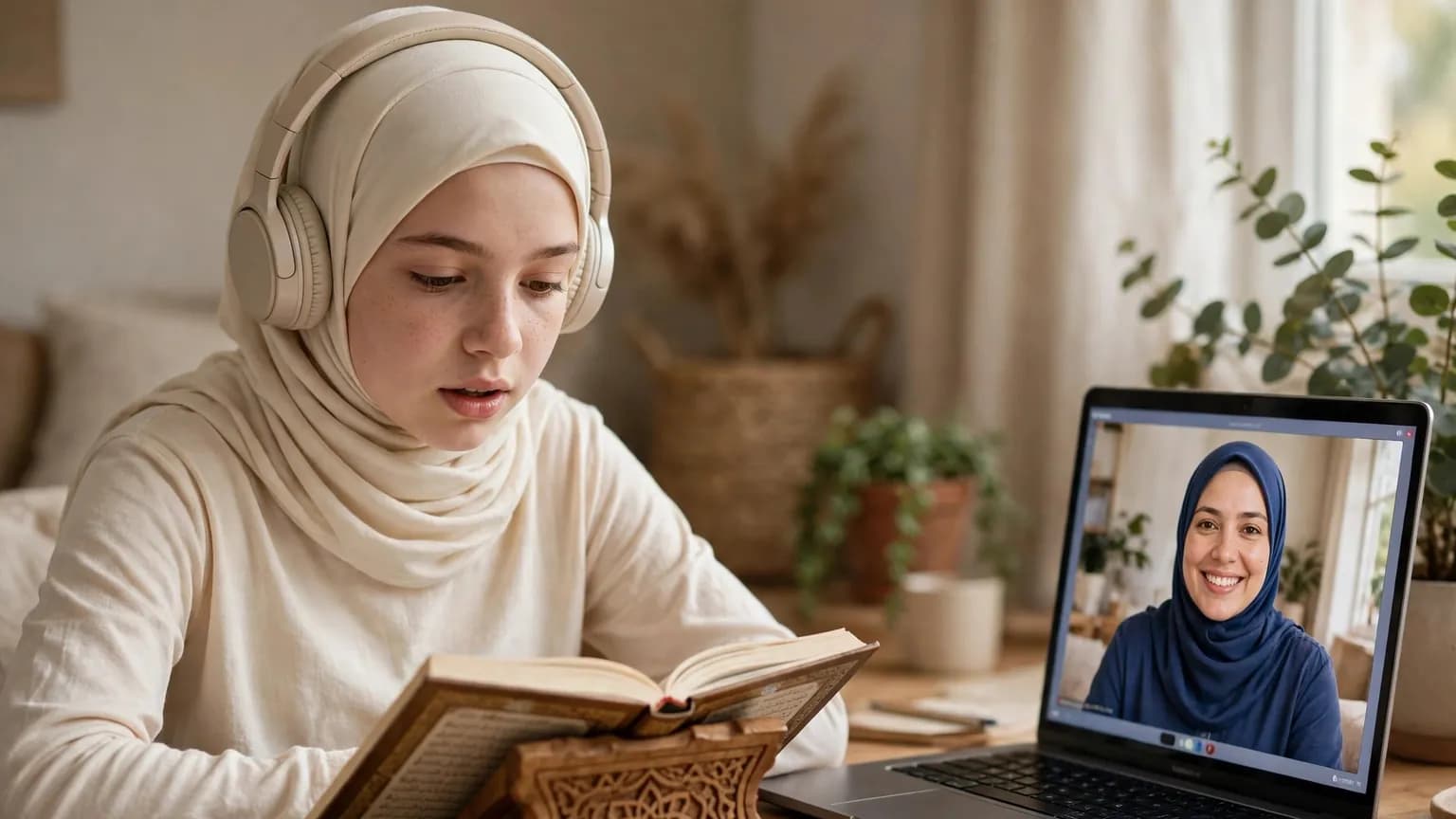
With online Quran classes for kids, your child learns live, one to one, with the same teacher every week, at a time that fits your family's time zone. You can choose a male or female teacher at the same fee, and you are welcome to sit in on any class, which many revert parents find is a quiet way to learn a great deal themselves.
Step 4: Build a simple, short routine
Consistency beats long sessions. A realistic weekly rhythm for a young child might look like this:
- Class days: a 30-minute lesson with the teacher.
- Other days: five to ten minutes of revision at home, ideally at the same time each day.
- Every day: one or two duas or short surahs said together, such as before sleep.
- Weekends: a story of a prophet, a visit to the mosque, or simply talking about what they learned.
Keep it light. If a day is missed, simply carry on the next day without guilt.
Step 5: Navigating family, holidays and questions

Many revert families have parents, siblings or grandparents who are not Muslim. This can raise gentle tensions, especially around this time of year in many Western countries, when holiday gatherings and traditions fill the calendar.
A few principles help many families:
- Lead with good character. Islam asks us to treat parents and relatives with kindness and respect, including those of other faiths. Children learn as much from how you speak to grandma as from any lesson.
- Keep explanations simple. If a relative asks why your child is learning Arabic, a calm answer like "It is part of our faith, and they enjoy it" is usually enough.
- Plan ahead for gatherings. Think about food, timings for prayer and what your child can say if asked about their beliefs, so no one feels caught out.
- Ask a trusted scholar about specifics. Questions such as attending family celebrations have different views among scholars. Ask your local imam or a scholar you trust, rather than relying on online arguments.
- Keep Quran time steady. Holidays can disrupt routines. Even a short daily recitation keeps the habit alive during busy weeks.
It also helps your child to know other Muslim children. A local mosque, a weekend circle or a friendly Muslim family nearby can give them a sense of belonging that you cannot create alone.
Step 6: Talk about the meaning, not only the sounds
Revert parents often came to Islam through reading about its message, and that is something precious to pass on. Alongside reading practice, share simple meanings: what Al-Fatiha asks Allah for, why we say Bismillah, what the four Quls protect us from. Children who understand even a little of what they recite tend to feel more connected. Stories of the prophets and simple lessons on manners and belief are a lovely way to add meaning in a child-friendly way.
Common worries from revert parents
"I will teach something wrong."
It is natural to fear passing on mistakes. That is exactly why a teacher handles the reading and tajweed. Your job is to create the routine and the love; the teacher's job is accuracy.
"My spouse is not Muslim."
Some revert parents raise children in mixed-faith homes. Open, respectful conversation with your partner about what learning will look like, and when, avoids misunderstandings. Many families find that a short, predictable lesson time is easier for everyone to accept.
"My child is older and starting late."
Older children and teenagers can start from the alphabet too, and they often progress with real purpose once they understand why they are learning. It is never too late for anyone in the family.
A first step this week
Pick one small habit, perhaps saying Bismillah together before every meal, and keep it for seven days. Then book a lesson so your child can begin reading with a patient teacher. You can try 3 free trial classes with no card needed, and see the monthly plans in your own currency on our pricing page.