The short answer: a child is usually ready to begin a structured Hifz programme when they can read the Quran from the page with reasonable accuracy, can concentrate for a full lesson, have already memorized some short surahs and kept them, show genuine willingness rather than just going along with you, and live in a home that can protect a daily slot for revision. Age matters less than these signs. If some are missing, you do not need to wait idly: you can build them deliberately over a few months.
Starting Hifz is a long commitment for the whole family, so it is worth checking readiness honestly before you begin.
The five signs of readiness
Sign 1: they can read from the page
Most teachers prefer a child to read the Quran fluently, or close to it, before starting Hifz. A child who can read checks their own memorization against the mushaf, spots their own slips, and revises without needing someone to recite for them every time.
Some young children begin memorizing by listening, before they can read, and that can work very well for short surahs. But for a serious, long-term Hifz plan, reading is the foundation. If your child is still on the Qaida, finishing it comes first. Our Noorani Qaida course and Quran reading with Tajweed are the usual route there.
A quick test at home: open the mushaf to a page they have not seen and ask them to read a few lines. If they read steadily, with only occasional help, that is a good sign.
Sign 2: they have memorized short surahs and kept them
The best predictor of how a child will handle Hifz is how they handle the short surahs. Ask yourself:
- Have they memorized several surahs from the last juz?
- Do they still remember the ones they learned a few months ago?
- Can they recite them with the correct sounds, not just the rough shape?
A child who learns surahs quickly but forgets them just as quickly needs a stronger revision habit before taking on more. For a sensible order to work through first, see which short surahs kids should memorize first.
Sign 3: they can focus for a full lesson
Hifz lessons involve sitting, repeating and listening closely. A child who can settle into a 30-minute one-to-one class and stay engaged for most of it is in a good place. If your child struggles to focus for that long, it is not a reason to give up, but it suggests building stamina with reading lessons and short surahs first.
Sign 4: they want to do it
This is the sign parents most often overlook. A child who is curious and keen, who asks to learn more surahs or lights up when they recite, will carry themselves through the hard weeks. A child who is only doing it because they were told to will struggle once the novelty wears off.
You can grow motivation gently: talk about the honour of carrying the Quran, let them hear recitation they love, celebrate each surah, and let them recite for family. But if your child is clearly unwilling, it is usually better to wait a while than to push and risk a lasting dislike.
Sign 5: the family routine can support it
Hifz succeeds or fails at home as much as in class. Before starting, be honest about whether you can provide:
- A daily revision slot that is protected from homework, clubs and screens, even if it is only 15 to 20 minutes.
- Someone to listen. A parent or older sibling who can hear revision at home, even if they are not a hafiz themselves.
- Regular classes. Hifz generally needs more frequent classes than reading, often four or five a week.
- Patience over years. Hifz is a long road. Our realistic guide to memorizing the Quran explains what that looks like in practice.
If the routine is not there yet, you can still start with a lighter memorization goal, such as finishing the last juz, and step up when life allows.
What about age?
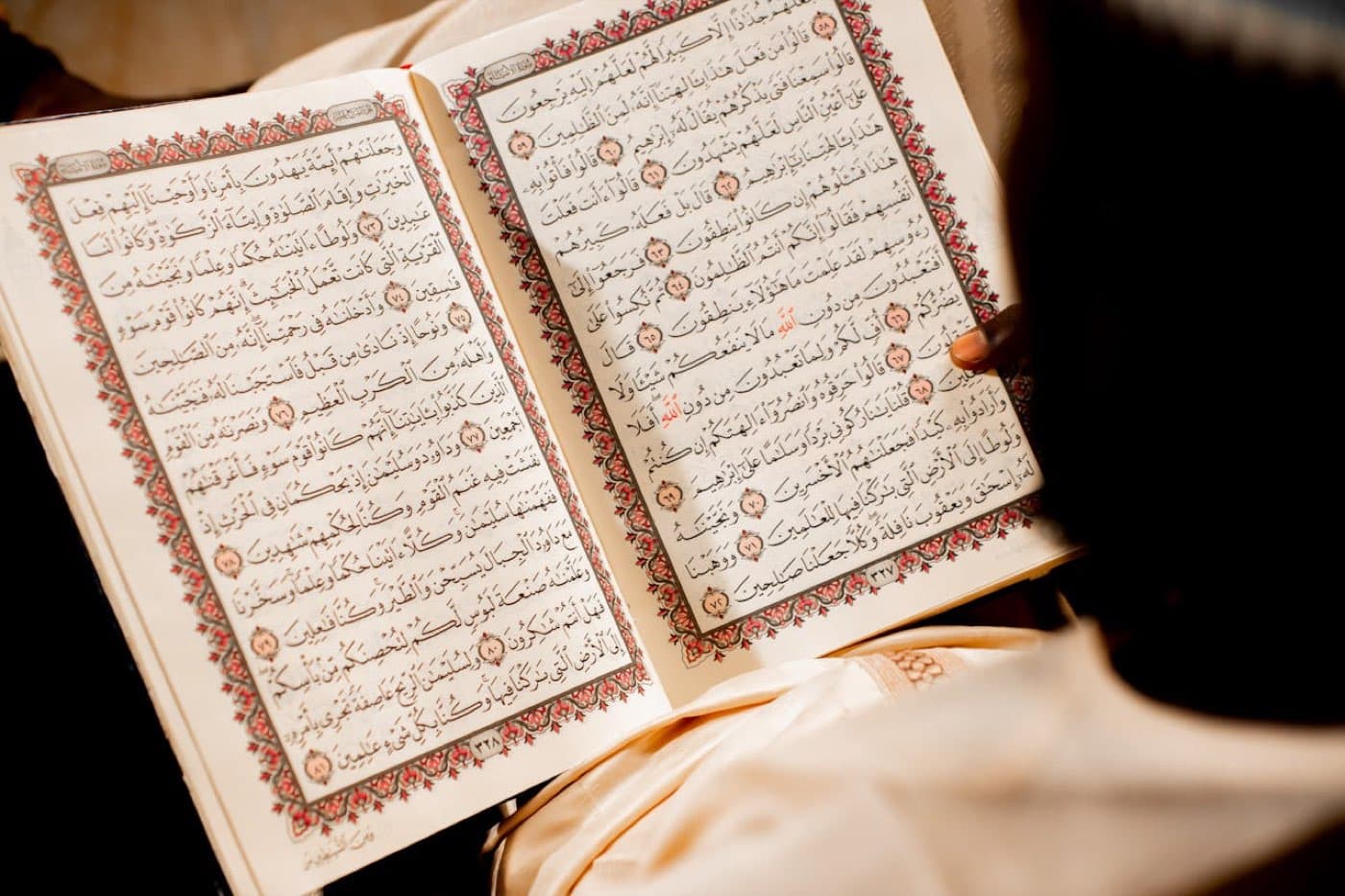
There is no single right age. Many children begin structured Hifz somewhere in their primary school years, once reading is in place, but some start earlier and many start later, including adults. A younger child often memorizes quickly but needs more support with revision and focus. An older child may need more motivation but can manage their own revision better. Readiness signs matter far more than the number of candles on the birthday cake. For the broader question of when to begin Quran classes at all, see the best age to start Quran classes for kids.
If your child is not quite ready
Not ready today does not mean not ready this year. A simple plan to build readiness:
- Finish reading. Complete the Qaida and read the Quran with a teacher until reading is steady.
- Memorize the last juz slowly. Short surahs build memory and confidence without a heavy load.
- Build a daily habit. Ten minutes of revision every day matters more than an hour once a week.
- Grow the love. Stories, meanings and recitation they enjoy listening to.
Check the signs again in a few months. Often the gap closes faster than parents expect.
How Hifz works with us
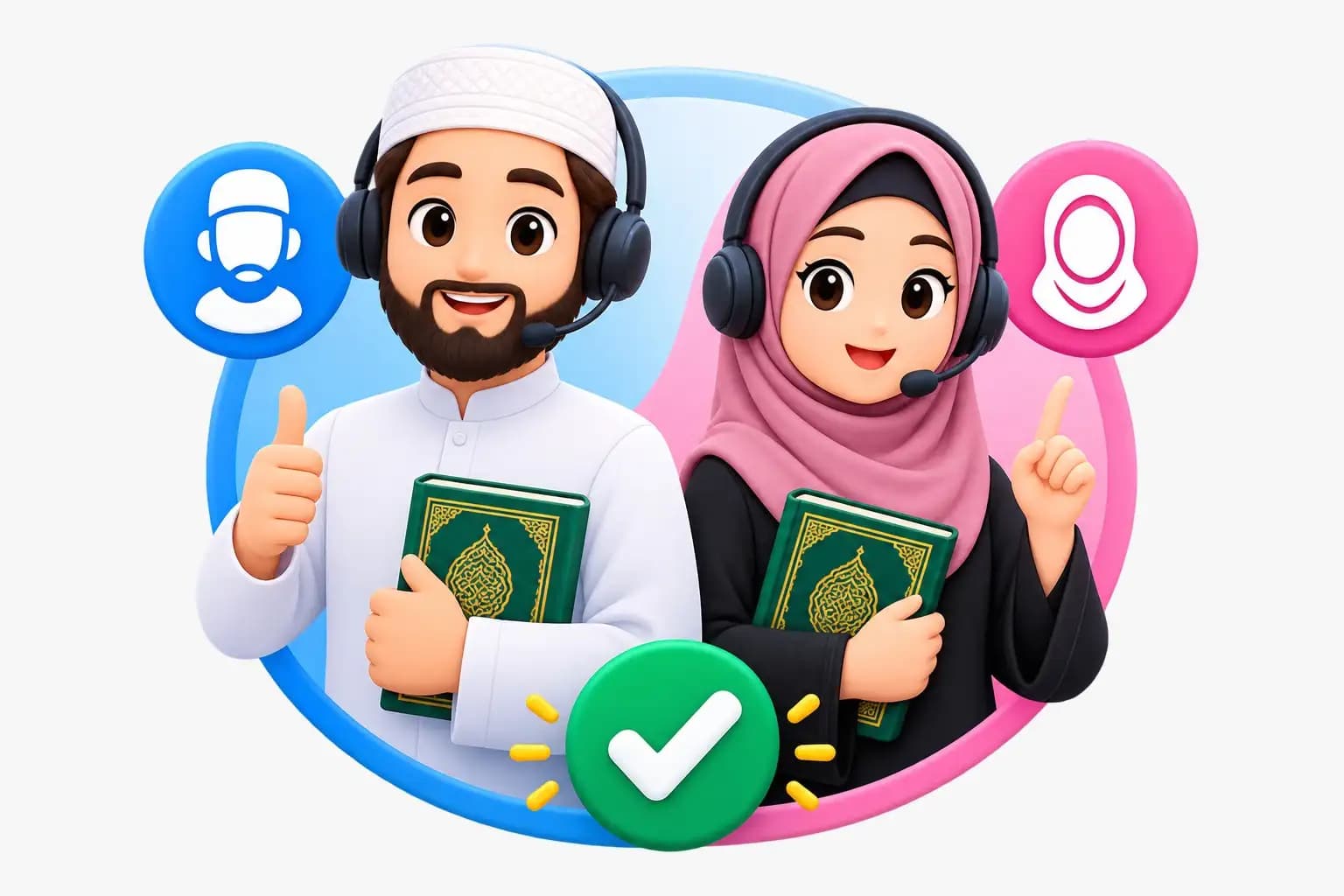
Our Hifz students learn in live one-to-one classes of 30 minutes, with a teacher who listens to new lessons, checks recent memorization and plans long-term revision. Many Hifz families choose four or five classes a week; you can see the options on our pricing page. You choose a male or female teacher at the same fee, and you can sit in on any class. Read more about our online Quran memorization course.
Get a teacher's view
If you are not sure where your child stands, a short assessment helps. Book 3 free trial classes, no card needed, and ask the teacher to check your child's reading and memorization and tell you honestly whether to start Hifz now or build up first.