The short answer: the Arabic letters are split into 14 sun letters (*shamsiyyah*) and 14 moon letters (*qamariyyah*). When the definite article al- (ال) comes before a moon letter, the lam is pronounced: الْقَمَر *al-qamar*. Before a sun letter, the lam is silent and the sun letter is doubled instead: الشَّمْس *ash-shams*. The names come from these two example words, the moon and the sun.
The chart
| Group | Letters | What happens to the lam |
|---|---|---|
| Sun letters (14) | ت ث د ذ ر ز س ش ص ض ط ظ ل ن | Silent; the next letter takes a shaddah |
| Moon letters (14) | ا ب ج ح خ ع غ ف ق ك م و ه ي | Pronounced clearly, with a sukun on the lam |
A traditional phrase for remembering the moon letters is اِبْغِ حَجَّكَ وَخَفْ عَقِيمَهُ: every letter in it is a moon letter.
Examples

| Moon letter (lam pronounced) | Sun letter (lam silent) |
|---|---|
| الْحَمْدُ *al-hamdu* | الرَّحْمَٰنِ *ar-rahmani* |
| الْكِتَابُ *al-kitabu* | النَّاسِ *an-nasi* |
| الْمُسْتَقِيمَ *al-mustaqima* | الصِّرَاطَ *as-sirata* |
| الْفَلَقِ *al-falaqi* | الدِّينِ *ad-dini* |
How to spot it in the mushaf
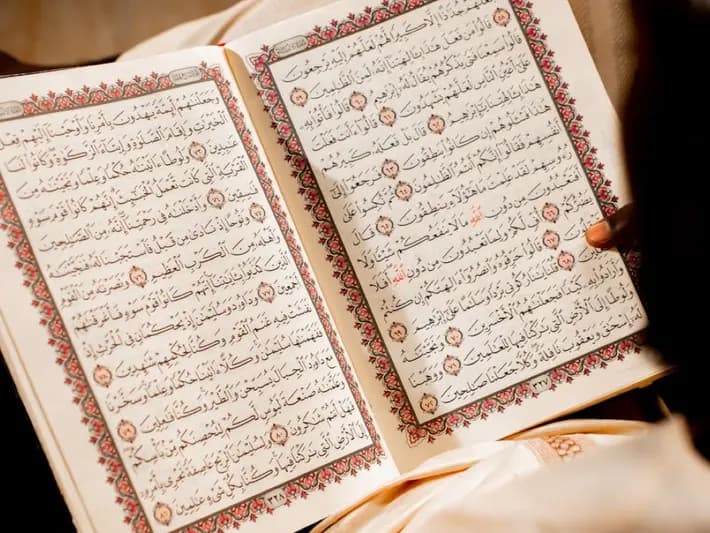
Before a moon letter, the lam has a sukun on it (لْ). Before a sun letter, the lam has no mark at all, and the next letter has a shaddah. So you can read the rule straight from the page, even without memorising the lists.
Why it happens

The sun letters are made with the tip or front of the tongue, close to where lam itself is made, so the lam merges into them. The moon letters are made further away, in the throat, the back of the tongue or the lips, so the lam stays clear.
This rule is taught in the later lessons of the Noorani Qaida. See Noorani Qaida explained and the makharij chart. To have a teacher guide your child through it, book 3 free trial classes. See how our online Tajweed course works.