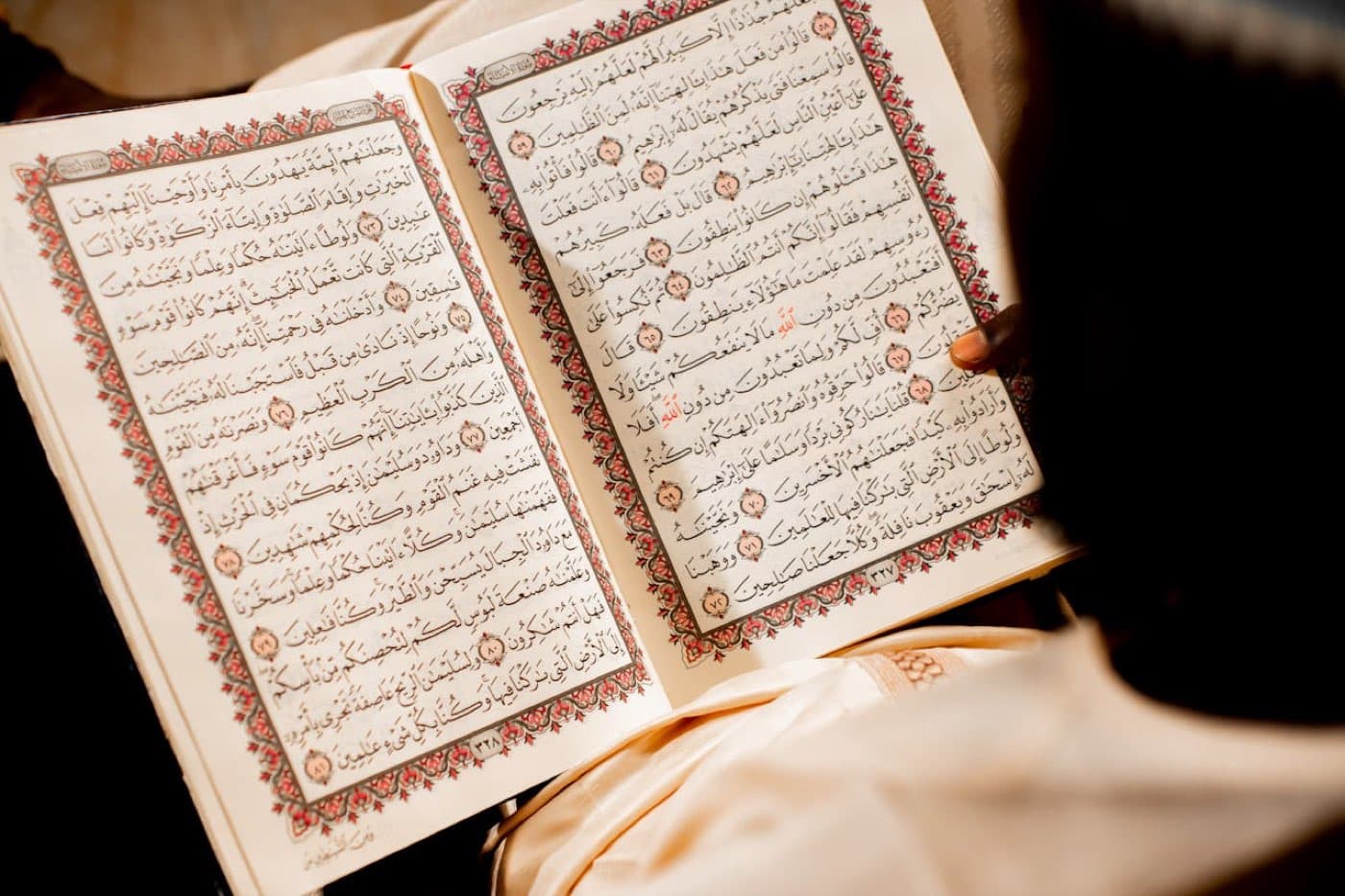
The short answer: ruqyah is reciting verses of the Quran and duas from the sunnah, and asking Allah for healing and protection, for yourself or someone else. The verses most used are Al-Fatihah, Ayat al-Kursi, the last two verses of Surah Al-Baqarah, and the three Quls (Al-Ikhlas, Al-Falaq and An-Nas). Anyone can do ruqyah; you do not need a special healer. It should be in words that are understood and contain no shirk, and it goes alongside medical treatment, not instead of it.
What the sunnah says about ruqyah
- Awf ibn Malik reported that the Prophet ﷺ said: there is no harm in ruqyah as long as it does not involve shirk (Sahih Muslim).
- A Companion recited Al-Fatihah over a man who had been stung, and he recovered. The Prophet ﷺ approved and asked how he knew it was a ruqyah (Sahih al-Bukhari).
- When the Prophet ﷺ was ill, he would recite Al-Falaq and An-Nas, blow lightly into his hands and wipe them over his body (Sahih al-Bukhari).
Verses commonly recited
| Recitation | Where in the Quran |
|---|---|
| Al-Fatihah | Surah 1 |
| Ayat al-Kursi | Al-Baqarah 2:255 |
| The last two verses of Al-Baqarah | 2:285–286 |
| Al-Ikhlas, Al-Falaq, An-Nas | Surahs 112–114 |
Many families also read the Manzil, a collection of protective verses that includes all of these.
A dua from the sunnah for healing
When visiting the sick, the Prophet ﷺ would say: *Adhhibil-ba's, Rabban-nas, ishfi antash-Shafi, la shifa'a illa shifa'uk, shifa'an la yughadiru saqama*: remove the harm, Lord of the people, and heal, for You are the Healer; there is no healing but Your healing, a healing that leaves no illness behind (Sahih al-Bukhari, Sahih Muslim).
How to do ruqyah for yourself or your child

- Make wudu if you can, and sit calmly.
- Recite Al-Fatihah, Ayat al-Kursi, the last verses of Al-Baqarah and the three Quls, with sincerity and focus.
- Blow lightly into your hands and wipe over the body, or over the place of pain, as in the sunnah.
- Make dua in your own words, asking Allah for healing.
- Keep up the morning and evening adhkar and the three Quls before sleep for ongoing protection. See our 40 Masnoon Duas.
What to avoid
- Amulets with unknown writing, numbers or symbols, and anyone who asks for your mother's name to "diagnose" you.
- People charging large fees or claiming special powers over jinn.
- Harmful practices such as beating, frightening or isolating someone, especially children.
- Stopping medical treatment. The Prophet ﷺ said Allah has not sent down a disease without sending a cure, and told people to seek treatment (Sahih al-Bukhari). Ruqyah and medicine go together. If a child shows signs of anxiety, depression or illness, see a doctor.
Reading the Quran correctly matters for ruqyah too. Our Tajweed classes help children and adults recite these verses clearly and correctly. You can book 3 free trial classes, no card needed.