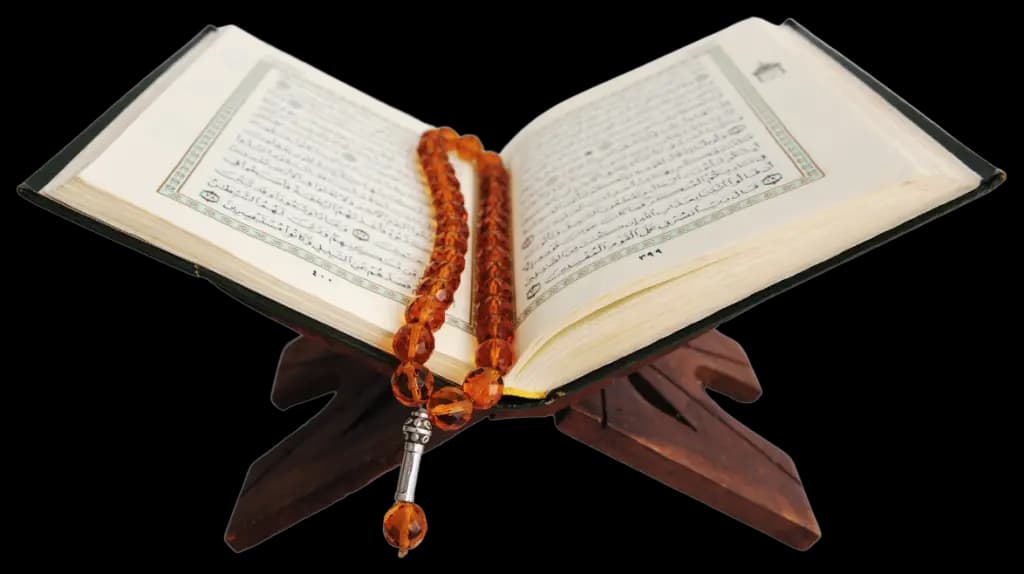
The short answer: when breaking the fast, the Prophet ﷺ would say *Dhahaba az-zama', wabtallatil-'uruq, wa thabatal-ajru in sha Allah*: "The thirst has gone, the veins are moistened, and the reward is certain, if Allah wills" (Abu Dawud). For suhoor, the intention is made in the heart; no particular words are required.
The dua for breaking the fast (iftar)
| Transliteration | Meaning | Source |
|---|---|---|
| Dhahaba az-zama', wabtallatil-'uruq, wa thabatal-ajru in sha Allah | The thirst has gone, the veins are moistened, and the reward is certain, if Allah wills | Abu Dawud, graded hasan |
| Allahumma laka sumtu wa 'ala rizqika aftartu | O Allah, for You I fasted, and with Your provision I break my fast | Abu Dawud, from a mursal (weak) chain |
Many families learned the second dua with the extra words *wa bika amantu wa 'alayka tawakkaltu*. Those added words are not found in the narrations, so it is better to teach children the first dua, which is the stronger one. Begin iftar with *Bismillah*, ideally with dates or water, as the Prophet ﷺ did (Abu Dawud, Tirmidhi).
The time of breaking the fast is also a time when duas are answered, so it is a good habit to make a personal dua before eating.
The suhoor intention (niyyah)

The intention to fast is made in the heart, and getting up for suhoor with the plan to fast is itself an intention. The phrase *Wa bi sawmi ghadin nawaitu min shahri Ramadan* ("I intend to fast tomorrow in the month of Ramadan") is printed on many Ramadan calendars, but it does not come from a hadith. Saying it is not required.
The Prophet ﷺ said: "Eat suhoor, for in suhoor there is blessing" (Bukhari and Muslim). Even a few dates and some water count.
Duas for the three ashras (ten-day parts)
A popular saying describes the first ten days of Ramadan as mercy, the middle ten as forgiveness and the last ten as freedom from the Fire. The narration behind it is weak, but the duas usually linked to each part are good duas that anyone can make at any time:
| Ten days | Dua | Meaning |
|---|---|---|
| First ten | Rabbighfir warham wa anta khairur-rahimin | My Lord, forgive and have mercy, and You are the best of those who show mercy (Quran 23:118) |
| Middle ten | Astaghfirullaha rabbi min kulli dhanbin wa atubu ilaih | I seek forgiveness from Allah, my Lord, for every sin, and I turn to Him |
| Last ten | Allahumma ajirni minan-nar | O Allah, save me from the Fire |
For the last ten nights there is also the dua the Prophet ﷺ taught for Laylat al-Qadr; see Laylat al-Qadr: dua, signs and what to do.
Teaching these duas to children

- Learn the iftar dua in the week before Ramadan, and let your child say it out loud at the family iftar.
- Write the three ashra duas on a card on the fridge, and change the card every ten days.
- Our 40 masnoon duas page has the everyday duas too.
Our Ramadan Quran classes for kids include a dua each week alongside Quran reading, and you can book 3 free trial classes.