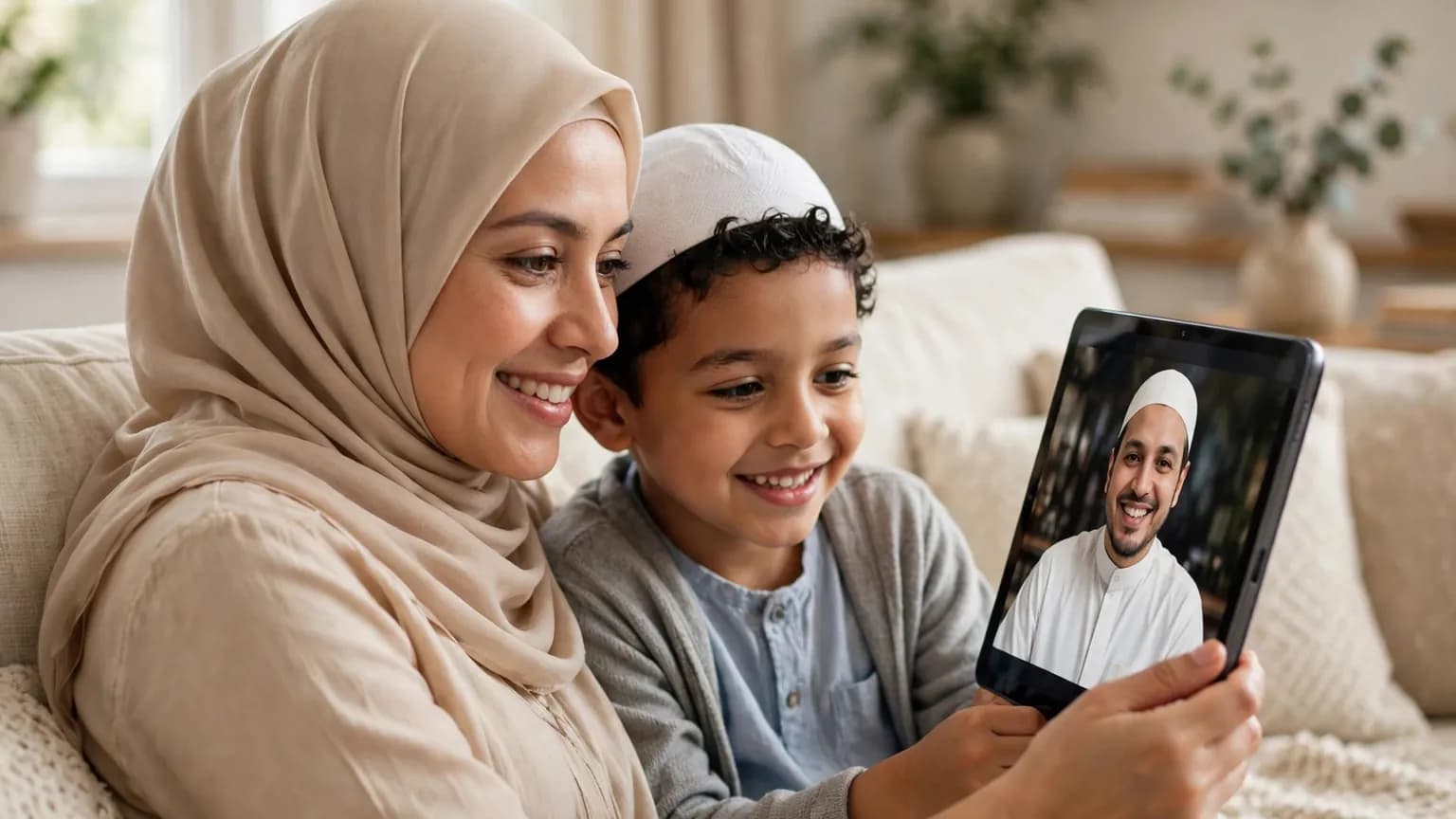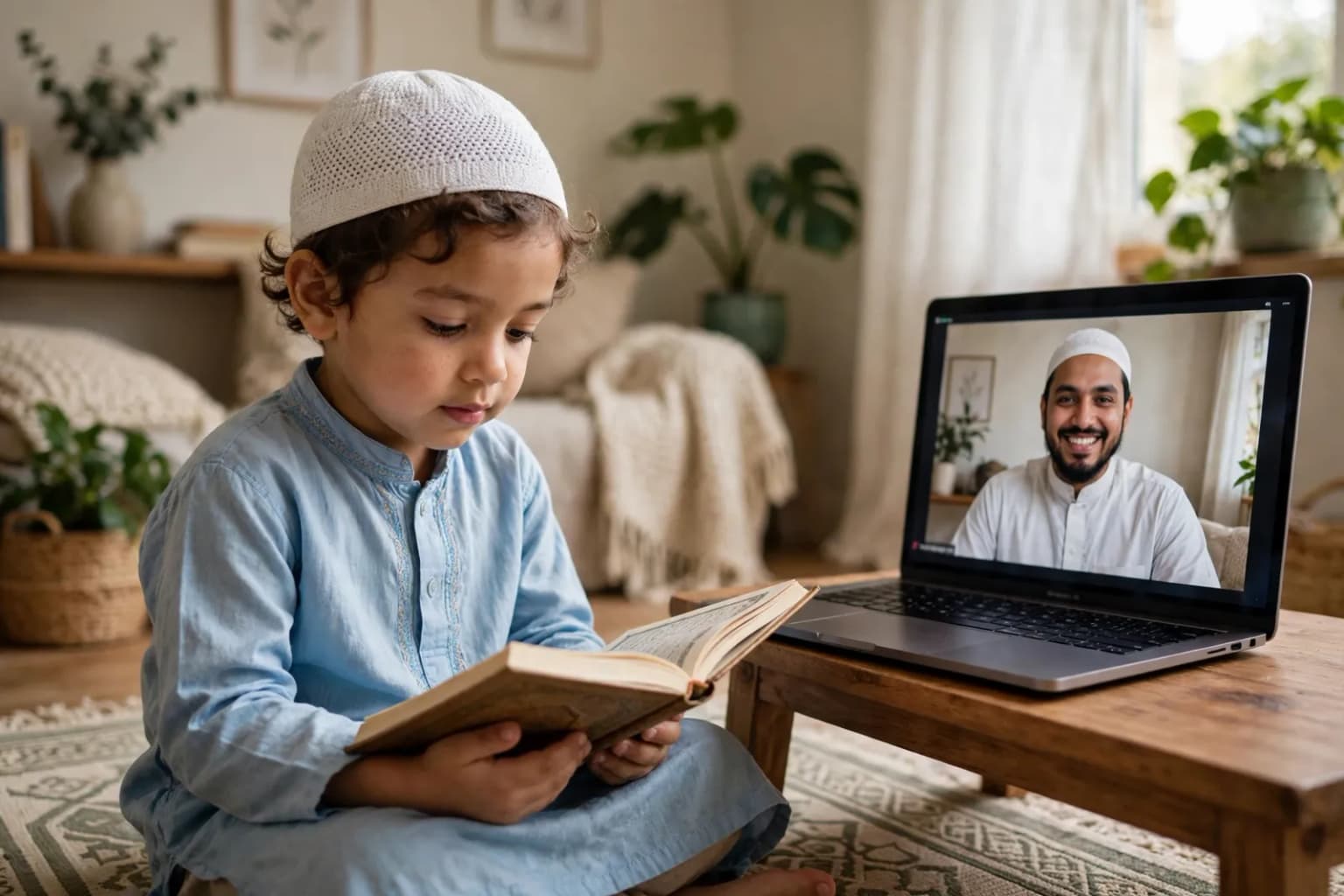
The short answer: yes, you can pray Taraweeh at home. Pray it after Isha (and its sunnah), in sets of two rak'ahs with a salam after each pair, reciting whatever surahs you know, then finish with witr. You can pray alone or with your family in congregation.
Is it okay to pray Taraweeh at home?
Yes. Taraweeh is a sunnah prayer, not an obligation. The Prophet ﷺ led it in the mosque for a few nights and then prayed at home, so that it would not become obligatory (Bukhari). Most scholars say praying it in congregation at the mosque is better for those who can, but praying at home is completely valid, and for many families, especially with young children, illness or long distances, it is the practical choice.
When to pray
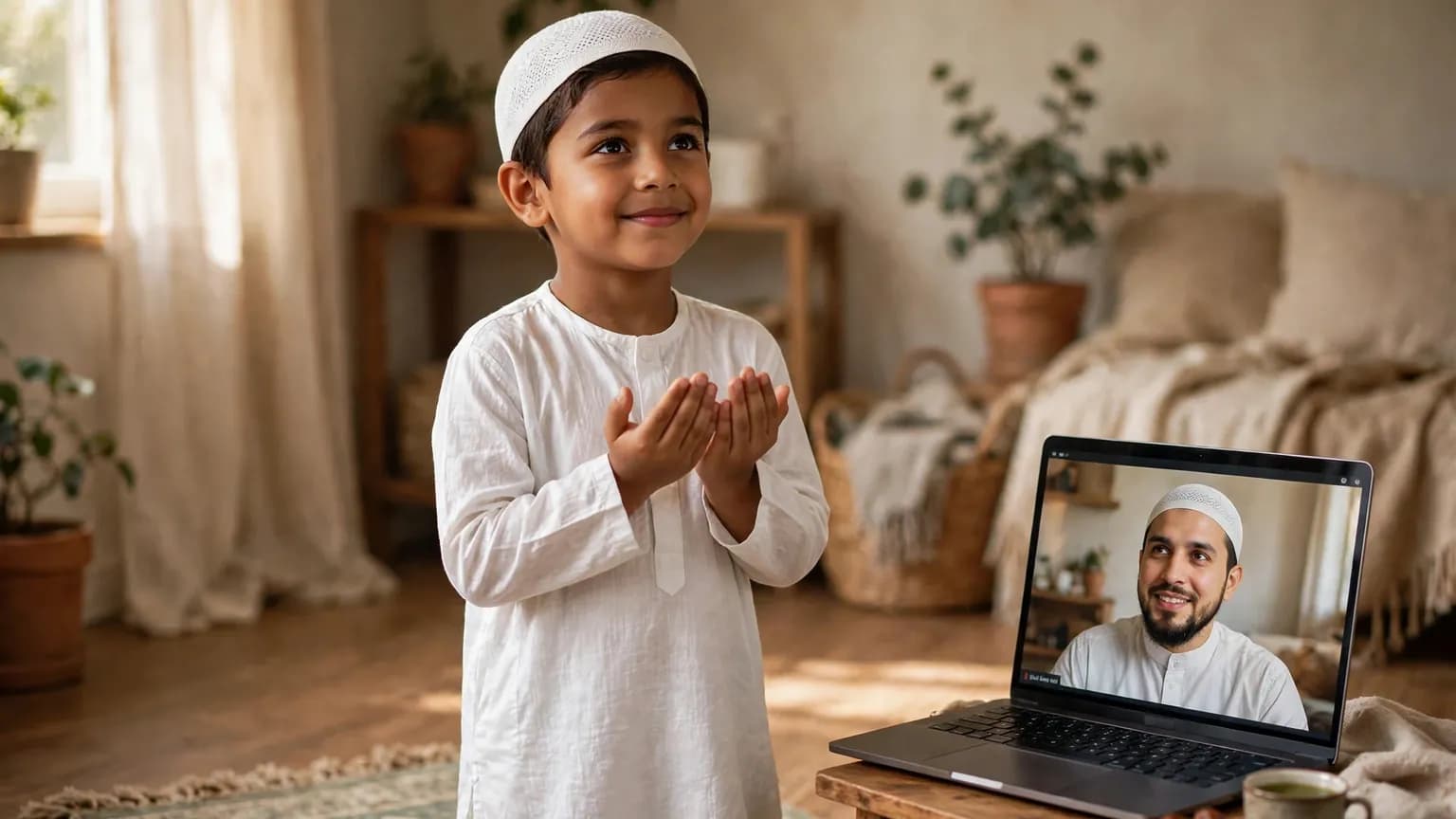
- Starts: after the Isha prayer and its two sunnah rak'ahs.
- Ends: before Fajr.
- Witr: pray it at the end of your Taraweeh, or delay it until later in the night if you plan to wake for Tahajjud. See Tahajjud: time and method.
How many rak'ahs?
Pray 8 or 20 rak'ahs, followed by witr. Both are established practices: 8 follows Aisha's description of the Prophet's ﷺ night prayer, and 20 was established in the time of Umar and is the view of the Hanafi, Shafi'i and Hanbali schools. At home you can also pray fewer on difficult nights; any amount of night prayer in Ramadan is rewarded. See the virtues of Taraweeh.
How to pray Taraweeh at home, step by step
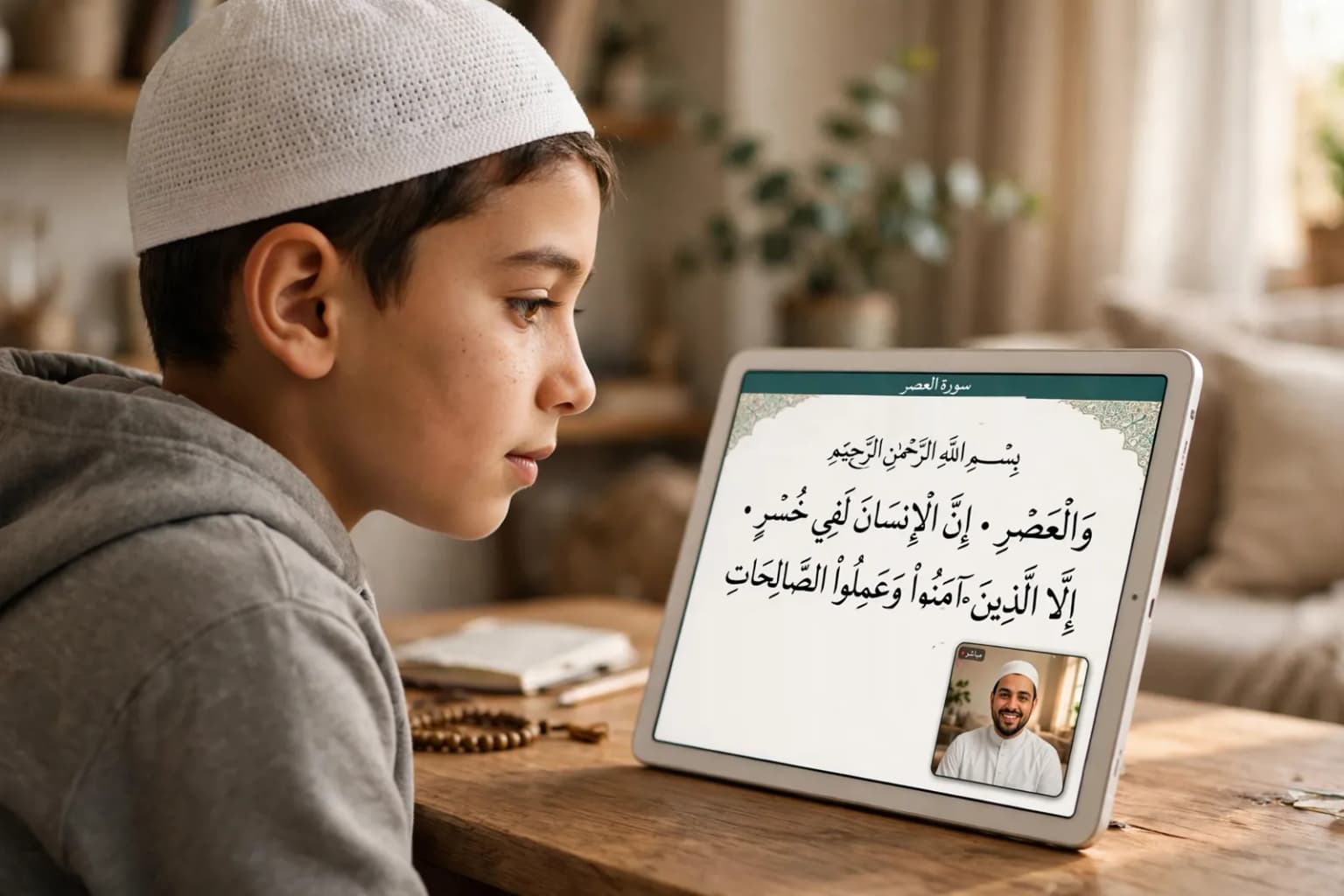
- Make wudu and face the qiblah.
- Intention in your heart: two rak'ahs of Taraweeh.
- Pray two rak'ahs like any two-rak'ah sunnah prayer: opening takbir, Al-Fatiha and a surah in each rak'ah, ruku', sujud, tashahhud and salam.
- Repeat in pairs until you reach 8 or 20 rak'ahs. Many people rest briefly after every four rak'ahs and make dhikr; this pause is where the name *Taraweeh* ("rests") comes from.
- Finish with witr: one rak'ah, or three, following your school.
- Make dua at the end, or in sujud.
What to recite if you only know short surahs
You do not need to be a hafiz. Recite Al-Fatiha and any surah you know well. A popular plan for 20 rak'ahs uses the last ten surahs of the Quran twice:
| Rak'ah | Surah | Rak'ah | Surah |
|---|---|---|---|
| 1 | Al-Fil (105) | 11 | Al-Fil (105) |
| 2 | Quraysh (106) | 12 | Quraysh (106) |
| 3 | Al-Ma'un (107) | 13 | Al-Ma'un (107) |
| 4 | Al-Kawthar (108) | 14 | Al-Kawthar (108) |
| 5 | Al-Kafirun (109) | 15 | Al-Kafirun (109) |
| 6 | An-Nasr (110) | 16 | An-Nasr (110) |
| 7 | Al-Masad (111) | 17 | Al-Masad (111) |
| 8 | Al-Ikhlas (112) | 18 | Al-Ikhlas (112) |
| 9 | Al-Falaq (113) | 19 | Al-Falaq (113) |
| 10 | An-Nas (114) | 20 | An-Nas (114) |
For 8 rak'ahs, use the first eight. If you know more, recite longer portions; a page or more per rak'ah is ideal if you can manage it comfortably.
Can I read from the Quran (mushaf) during Taraweeh?
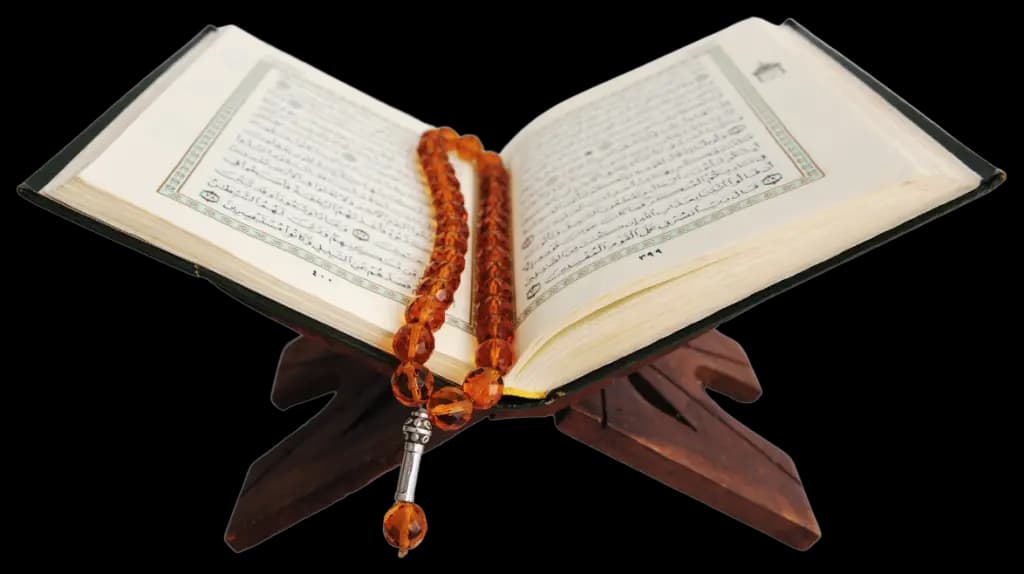
Scholars differ. Many, including the Shafi'i and Hanbali schools, allow reading from a mushaf in voluntary night prayer, citing that Aisha's servant Dhakwan led her in Ramadan reading from the mushaf (reported by Bukhari without a full chain). The Hanafi school does not allow it. Follow the view of your scholars; a phone app or tablet on a stand is used by many who follow the first view.
Praying Taraweeh with your family
- The imam stands in front, with men and boys behind him and women and girls behind them. If it is just a husband and wife, the wife stands behind her husband.
- A woman can lead other women and girls; she stands in the middle of the first row rather than in front.
- Let a child lead a couple of rak'ahs with short surahs once they can pray correctly; it builds great confidence.
- Keep it short for young children: they can join for 2–4 rak'ahs and then sit quietly.
- Recite aloud in Taraweeh, as at the mosque, so the family can follow.
Tips

- Set a fixed time each night, such as 30 minutes after Isha.
- Learn a few new surahs before Ramadan so your recitation can grow through the month.
- Follow a reading plan alongside, such as the 30-day Quran completion chart.
Want to learn more surahs or lead your family with confidence? Our learn namaz online and Ramadan Quran classes are one-to-one. You can book 3 free trial classes.