
The short answer: the Islamic (Hijri) calendar has 12 lunar months: Muharram, Safar, Rabi' al-Awwal, Rabi' al-Thani, Jumada al-Ula, Jumada al-Akhirah, Rajab, Sha'ban, Ramadan, Shawwal, Dhul-Qa'dah and Dhul-Hijjah. Each month begins with the new moon and lasts 29 or 30 days.
All 12 months in order
| # | Month | Key dates |
|---|---|---|
| 1 | Muharram (sacred) | Islamic New Year on the 1st; Ashura on the 10th |
| 2 | Safar | — |
| 3 | Rabi' al-Awwal | The month in which the Prophet ﷺ was born, according to the well-known view |
| 4 | Rabi' al-Thani (Rabi' al-Akhir) | — |
| 5 | Jumada al-Ula | — |
| 6 | Jumada al-Akhirah (Jumada al-Thaniyah) | — |
| 7 | Rajab (sacred) | — |
| 8 | Sha'ban | The month before Ramadan; the Prophet ﷺ fasted much of it |
| 9 | Ramadan | The month of fasting; the Quran was first revealed; Laylat al-Qadr in the last ten nights |
| 10 | Shawwal | Eid al-Fitr on the 1st; six sunnah fasts |
| 11 | Dhul-Qa'dah (sacred) | — |
| 12 | Dhul-Hijjah (sacred) | Hajj; the Day of Arafah on the 9th; Eid al-Adha on the 10th |
The four sacred months
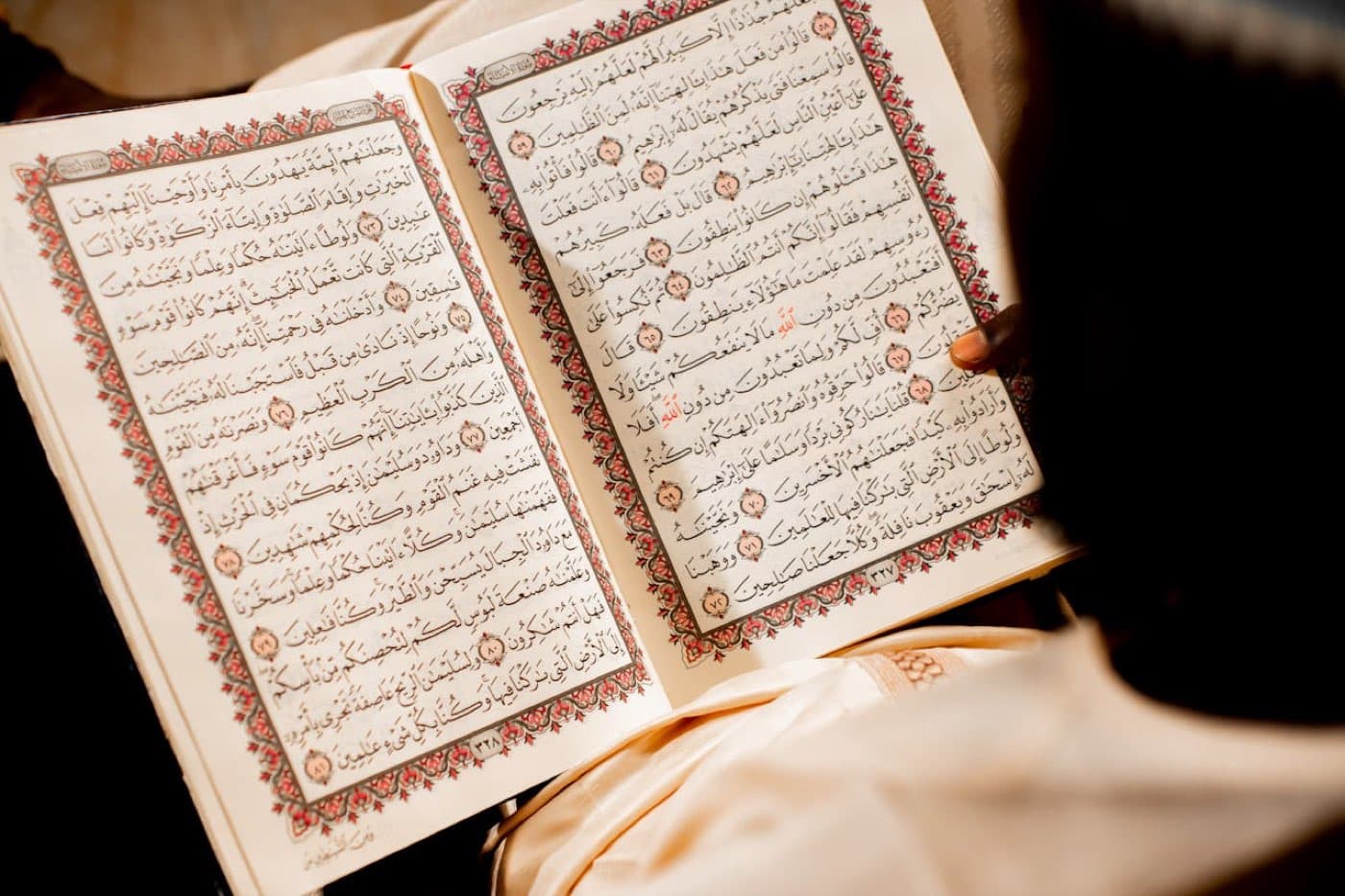
The Quran says that the number of months with Allah is twelve, and four of them are sacred (Surah At-Tawbah, 9:36). In Sahih al-Bukhari, the Prophet ﷺ named them as Dhul-Qa'dah, Dhul-Hijjah, Muharram and Rajab. Fighting was forbidden in them, and good and bad deeds carry extra weight.
Why Islamic dates move every year
A lunar year is about 354 or 355 days, roughly 11 days shorter than the solar year. So Ramadan, Eid and Hajj come about 11 days earlier each year, and move through every season over a cycle of about 33 years. That is why a child might remember fasting in long summer days one year and short winter days a decade later.
When did the Islamic calendar start?

Year 1 of the Hijri calendar begins with the *Hijrah*, the Prophet's ﷺ migration from Makkah to Madinah in 622 CE. The calendar was set up during the caliphate of Umar ibn al-Khattab. Dates are written with "AH" (*Anno Hegirae*, "in the year of the Hijrah"). The year 1448 AH began in June 2026.
How the new month is decided
A month begins when the new crescent moon is sighted after sunset on the 29th. If it is not seen, the month completes 30 days. Some communities follow local sighting, some follow Saudi Arabia, and some use calculations, which is why Eid can fall on different days in different countries.
Teaching the months to children

- Learn them in order like the English months; a simple song or a circle chart on the wall helps.
- Mark the current Hijri date on the family calendar each month.
- Link each month to an event: Ashura's story of Musa, Ramadan's fasting and Quran, Dhul-Hijjah's story of Ibrahim.
Our Islamic Studies classes for kids cover the Islamic calendar, the seasons of worship and the stories behind them. You can book 3 free trial classes.